
DIR Floortime vs RDI: Choosing Relationship-Based Support for Your Child
October 14, 2026
Compare DIR Floortime vs RDI, explore everyday differences, and choose support that fits your child's needs and family routine.
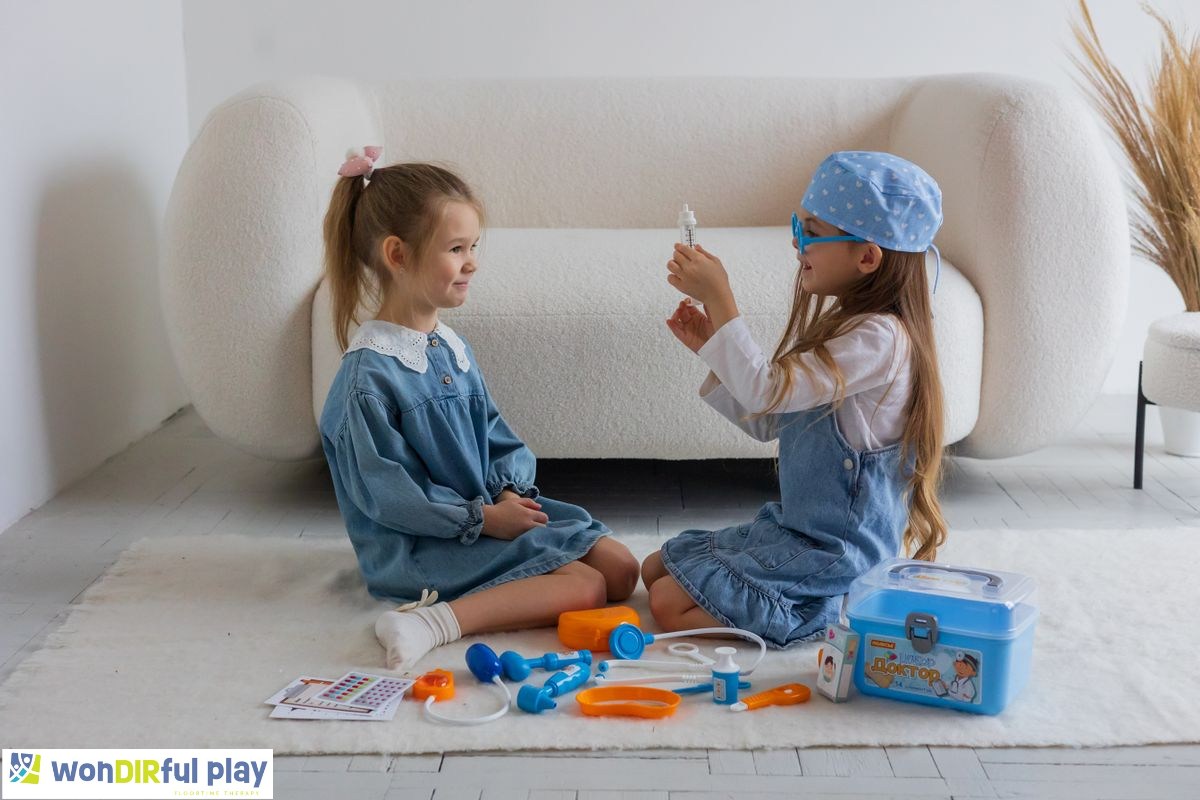
Key points:
- Both approaches value relationships, but their coaching methods and everyday activities can differ.
- Compare the actual provider's plan instead of choosing from a therapy label alone.
- Look for meaningful goals, respectful support, and a routine your family can sustain.
Comparing DIR Floortime vs RDI can leave you with more questions than answers. Both approaches talk about connection. Both involve you in your child's development. Their descriptions can sound almost interchangeable when you start reading.
The practical differences matter more than the labels. You need to know what happens during an appointment. You also need a realistic picture of your role between visits. A plan that feels manageable for another family might stretch your household too far.
This guide breaks down those differences through everyday examples. You will see how relationship-focused therapy can look during play or a simple home routine. You will also learn what to ask about provider training and progress.
There is no winner for every child. The useful question is how a specific approach meets your child's current needs. Start there, with room to adjust as you learn together. You can take this step by step.
DIR Floortime vs RDI: Start With the Main Difference
DIR describes development, individual differences, and relationships. Floortime puts that framework into practice through interaction. The model considers your child's development and individual responses alongside the relationships that support learning. A provider may join your child's preferred play before gently expanding the exchange.
Relationship development intervention for autism, usually called RDI, also centers relationships. Its parent-guided model emphasizes shared thinking through everyday experiences. The provider coaches you to adjust your interactions. Ordinary routines become opportunities to practice flexible participation.
Watch one everyday example
Imagine your child enjoys rolling a toy car. In Floortime, you might roll another car nearby. You pause to notice your child's response. A playful exchange can grow from their interest.
With RDI, a consultant might coach you through a shared task, such as carrying a basket together. You adjust your pace so your child can notice your movement. These examples illustrate starting points, not rigid rules.
Consider these RDI vs Floortime differences during a provider conversation:
- How the adult introduces an activity.
- How your child's interests shape the session.
- How coaching carries into daily life.
Ask for a demonstration that includes your child.
Understand Your Role Between Appointments
You don't need to turn every interaction into a lesson. Both approaches can involve practice at home. Ask about that workload before agreeing to treatment.
If you want RDI autism therapy explained clearly, start with its coaching process. RDI uses a family-based approach to support more flexible thinking. Consultants help parents work toward agreed objectives. Ask how often you will meet and what preparation they expect.
Make parent involvement realistic

With Floortime family coaching, you can ask a provider to demonstrate an interaction first. Then try it while they observe. Request one practical adjustment at a time.
Discuss your household before accepting either plan:
- Your available time during an ordinary week.
- Other children's needs during practice.
- Languages your family uses at home.
- Your comfort with recordings or remote coaching.
Relationship development intervention for autism may fit families who value ongoing guided practice. Ask what support remains available when a week gets difficult.
Bring practice into familiar surroundings
In-home Floortime lets you discuss the actual routines your family uses. A kitchen transition may reveal more than a perfect office activity. Ask a prospective RDI consultant how they review similar situations.
Match the Approach to Your Child's Current Needs
You might search for Floortime vs RDI, which is better, hoping for a clear ranking. Start with a specific need, such as communicating a request. Ask each provider how they would help.
The best relationship-based autism therapy for your family should respect your child's ways of communicating. Speech is not the only valid response. A gesture or communication device can support participation. Comfortable engagement matters more than forced eye contact.
Compare support for younger children
When considering DIR vs RDI for toddlers, ask about experience with very young children. Request examples of goals that suit your child's developmental level. The provider should adapt the interaction.
Look for practical signs of a good fit:
- The provider notices your child's signals of discomfort.
- Activities allow meaningful choices.
- Goals relate to your family's priorities.
- The provider explains changes without blaming your child.
Communication goals might involve sharing enjoyment or requesting a break. Discuss how the provider will recognize those skills. In a DIR Floortime vs RDI decision, your child's access to communication should remain central.
Look beyond a comfortable first visit
Request clear processes. Ask how they will coordinate with other professionals. Your therapy options should fit alongside any needed speech or occupational therapy. Neither approach should delay a separate assessment for another concern.
Ask About Evidence and Provider Qualifications
The best relationship-based autism therapy is not whichever website makes the biggest promise. Ask what research supports the proposed goals. Ask whether studies included children with similar needs. Evidence about one outcome does not establish improvement in every area.
Avoid treating DIR Floortime vs RDI as a proven contest with a universal winner. Neither approach justifies a promise to cure autism. You deserve clear explanations of what remains uncertain.
Check the person delivering support
Ask your prospective Floortime team about each clinician's training. A model-specific certificate and a professional license serve different purposes. Request the qualifications relevant to the services your child needs. For speech treatment, confirm speech-language credentials.
When asking for RDI autism therapy explained, request the consultant's training pathway too. Clarify who sets goals and reviews the work. Learn how the provider handles concerns.
Useful RDI vs Floortime differences include supervision arrangements and feedback methods. Write those details beside appointment costs. You can compare two specific plans without deciding which whole model is best.
Choose a Starting Plan and Review It
Pick a few meaningful goals before starting. Describe what you hope daily life will look like. For example, your child might ask for help during a familiar game. Agree on how you will notice change.
For DIR vs RDI for toddlers, keep goals grounded in your child's current abilities. Ask for a review date. Check whether practice feels sustainable at home. Your family can adjust a plan that no longer fits.
Track useful changes

Try a brief weekly note rather than a constant tally. Describe one interaction that felt easier. Note one situation that still needs support. Tracking Floortime progress should help you understand your child, not create another source of pressure.
Return to Floortime vs RDI: which is better, only with a more useful follow-up: better for which goal? Look for changes outside appointments. Share your observations honestly.
Frequently Asked Questions
Is relationship development intervention for autism the same as Floortime?
No. Both value relationships and family participation. RDI emphasizes parent-guided experiences that support shared thinking. Floortime commonly starts with your child's interests and developmental profile. Ask providers to demonstrate how their proposed sessions would differ.
Floortime vs RDI: which is better for my child?
Neither approach is the right answer for every child. Compare goals and provider qualifications. Consider your child's comfort during interaction. Choose a workable starting plan with a clear process for reviewing progress together.
What are the main RDI vs Floortime differences?
Their starting activities and coaching methods can differ. RDI often emphasizes guided participation in everyday experiences. Floortime often expands interaction from your child's interests. Actual providers may overlap, so request examples before choosing a service.
How should I compare DIR vs RDI for toddlers?
Ask about experience with toddlers who communicate like your child. Request simple developmental goals and a manageable home routine. Watch how the provider responds to fatigue. A flexible plan should protect your child's comfort and participation.
Where can I get RDI autism therapy explained in practical terms?
Ask a trained consultant to walk through a familiar activity with you. Request an explanation of your role between visits. Discuss the expected time commitment before enrolling. Clear examples should help you picture an ordinary week.
Find Your Family's Playbook, Make the First Move
You don't need a perfect answer before asking for help. Start with the interaction you want to make easier. It might be sharing a game or understanding a request. Comparing DIR Floortime vs RDI becomes more useful when your own child's needs lead the conversation.
At WonDIRfulPlay, you can discuss Floortime services and parent support with the team. Bring your priorities to that discussion. Ask how the proposed approach would work in your daily routine. The best relationship-based autism therapy should come with explanations you can use.
Reach out to us at 732-353-1616 to explore available Floortime support. Share one goal that matters at home. Let that small starting point guide a clearer, practical conversation about your child's next steps.
Recent articles


With WonDIRfulPlay, growth feels effortless and joyful. Our DIR floortime therapy services in Lakewood, NJ focus on building emotional connections, communication, and social confidence while addressing sensory and behavioral challenges.
For compliance matters, please call 732-523-9070 or email compllance@wondirfulplay.com

