
What Is the Hanen Approach? A Guide for Parents of Late Talkers
August 20, 2026
Learn how the Hanen Approach helps late talkers build language skills through simple, parent-led strategies you can use every day.

Key points:
- The Hanen Approach teaches parents simple strategies to boost communication with a late talker during daily routines and play.
- Programs built on the Hanen Method are led by certified speech-language pathologists trained by The Hanen Centre.
- Small, consistent changes in how you talk and play with your child can build vocabulary, turn-taking, and confidence over time.
If your toddler talks less than the other kids at daycare, you have probably searched late at night for answers. You are not alone, and there is a lot you can do at home. The Hanen Approach is one of the most trusted ways parents help a late talker grow their speech and language skills. It does not turn you into a therapist overnight. It teaches you to use moments you already share, like snack time, bath time, and floor play, to build language naturally, one small interaction at a time.
This guide walks you through what this coaching model actually is, how a Hanen Method program works day to day, and what you can expect if you decide to try Hanen speech therapy with your child. No confusing terms. Just clear, honest answers for busy parents who want to help their child talk, without feeling like they need a degree in speech pathology to get started.
What Is the Hanen Approach?
This model of speech and language intervention is built around one central idea. Parents and caregivers are the best teachers a young child has, simply because they spend the most time with them. Rather than working with your child alone in a therapy room, a Hanen speech therapy program trains you directly. You learn to notice what your child is trying to communicate, even in small gestures or sounds, and then respond in ways that stretch their language a little further each time.
This coaching model came from The Hanen Centre, a nonprofit organization founded in Toronto in 1975. Their programs have spread to dozens of countries because they are practical and grounded in everyday routines. You do not need a background in child development to use them well. You just need a willingness to change small habits, like slowing down, waiting a beat longer than feels natural, and following your child's lead in play instead of directing it toward your own agenda.
Where the Hanen Method Comes From
The Hanen Centre trains speech-language pathologists around the world to run these coaching programs. A therapist becomes Hanen Certified only after completing specialized coursework focused on coaching parents, not just treating children one on one.
This distinction matters, since a Hanen Method program depends heavily on the therapist's skill at teaching you, the parent, rather than working with your toddler for a single weekly hour and hoping the gains generalize on their own.
Who the Hanen Method Is For
This coaching model mainly supports young children working through the earliest stages of communication, well before formal schoolwork or complex grammar enter the picture. You can check your child's general progress against widely used benchmarks, like CDC's developmental milestones, if you are unsure whether a delay is something to watch or something to act on sooner.
- Toddlers and preschoolers with delayed speech and language development
- Children who are late to combine single words into short two- or three-word sentences
- Kids on the autism spectrum who need extra support building joint attention and back-and-forth interaction
- Bilingual or multilingual children whose overall language growth needs a closer, more individualized look
This model is not designed for older kids working on complex grammar rules or academic vocabulary. It focuses squarely on the earliest building blocks of talking, connecting, and sharing attention with another person, which is exactly where most late talkers get stuck.
How the Hanen Method Works
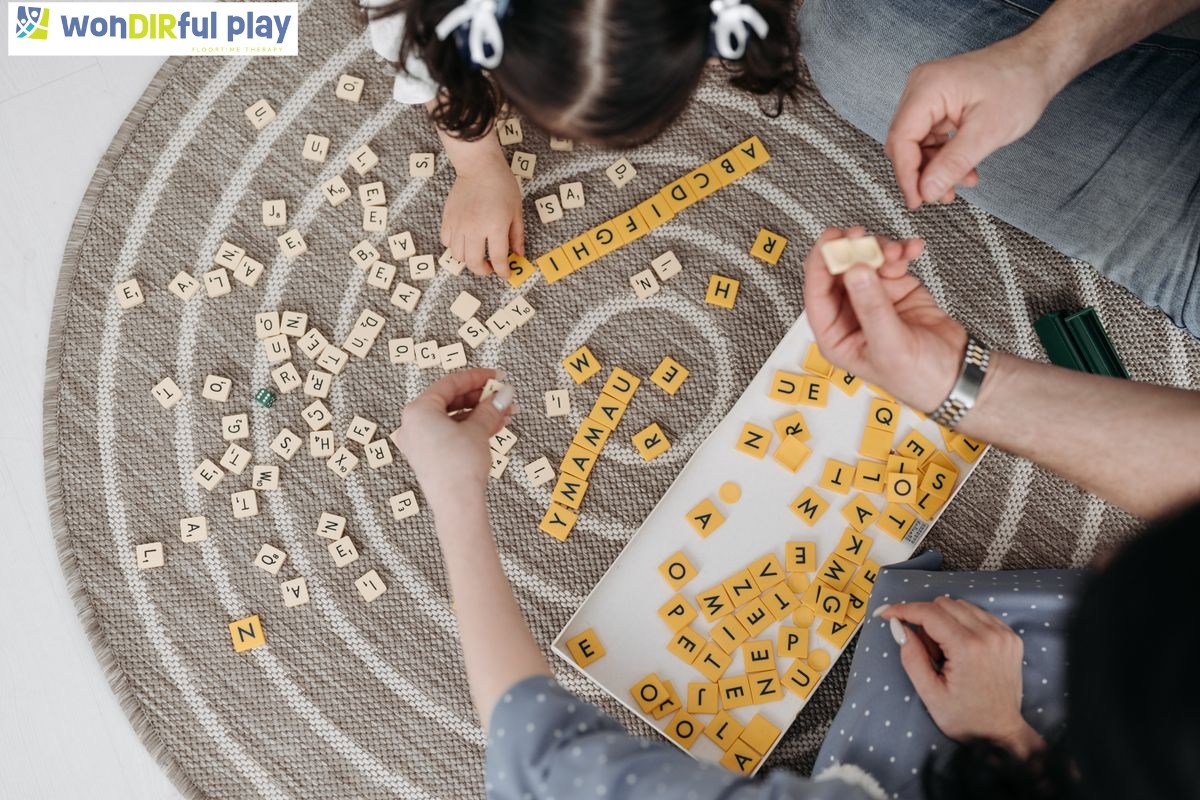
A typical program pairs you with a certified speech-language pathologist over the course of several weeks or months. You attend sessions, sometimes with video coaching built in, where the therapist studies short clips of you playing with your child at home. Then they point out what you are already doing right before adding one new strategy at a time, so you never feel overwhelmed by a long list of things to remember.
Key Strategies Parents Learn
- Following your child's lead during play instead of steering it toward a specific goal
- Waiting a few extra seconds after asking a question, giving your child room to respond in their own time
- Using simple, repeated words tied closely to what your child is currently looking at or reaching for
- Practicing turn-taking games like rolling a ball back and forth or stacking blocks together
- Expanding what your child says by adding just one more word, rather than correcting them outright
What a Hanen Program Session Looks Like
Sessions usually mix short lessons with hands-on practice, so you are never just listening to a lecture. You might watch a video of another family trying a strategy, then attempt the same approach with your own child while the therapist observes and offers feedback.
Many parent training programs built on similar coaching principles also send you home with short assignments, like five focused minutes of floor play a day using one new strategy, so the learning sticks between sessions rather than fading by the next appointment.
Hanen It Takes Two to Talk: The Most Common Hanen Program
When parents ask what the Hanen Program is, they are usually asking about Hanen It Takes Two to Talk. It is the flagship program for parents of toddlers and preschoolers with language delays, and it remains the most widely recommended entry point among speech-language pathologists trained in this coaching model.
The It Takes Two to Talk program walks parents through stages of communication, from a child's first gestures and eye contact to full sentences and conversation, so you always know what to target next instead of guessing.
What This Program Covers
- Recognizing your child's current stage and personal style of communication
- Learning what genuinely motivates your child to reach out and communicate with you
- Adjusting daily routines, like getting dressed or eating dinner, into small language-building moments
- Using books, songs, and open-ended play as natural teaching tools rather than flashcards or drills
How Long It Takes to See Progress
Every child moves at their own pace, and it helps to set expectations early so you do not measure progress against the wrong timeline. Some parents notice their toddler pointing and gesturing more within a few weeks of starting. Others see slower, steadier gains that build over several months of consistent practice.
Research summarized in ASHA's practice portal on late language emergence shows that between 10 and 20 percent of two-year-olds show some kind of language delay, and many catch up faster with consistent, responsive interaction, which is precisely what a well-run Hanen speech therapy program is designed to provide, session after session.
Bringing Hanen Strategies Into Daily Life
The real value of any coaching program shows up outside the therapy room, in the ordinary hours between appointments. Parents who see the fastest, steadiest gains tend to be the ones who fold a few strategies into routines they already do every single day, rather than trying to schedule separate practice time that competes with naps, meals, and everyone's patience.
Simple Ways to Start at Home
- Narrate what you are doing during bath time or diaper changes, using short, simple phrases
- Pause mid-activity and wait for your child to make a sound, gesture, or word before continuing
- Get face to face during play so your child can see your mouth and expression clearly
- Repeat your child's attempts back with the correct pronunciation, without asking them to repeat it themselves
When to Loop In a Speech-Language Pathologist
Home strategies help, but they work best alongside professional guidance rather than instead of it. If your toddler is not yet combining two words by around age two, is difficult for unfamiliar adults to understand by age three, or seems to lose skills they once had, it is worth scheduling a full evaluation. A certified therapist can confirm whether a formal Hanen Method program, a broader developmental approach, or a combination of both makes the most sense for your particular child.
The Hanen Approach vs Other Therapy Options
Parents often want to know how the Hanen Approach in speech therapy compares to other developmental therapies before committing time and money to one path. It helps to understand what each option prioritizes, since no single therapy covers every possible goal equally well.
Hanen Speech Therapy and DIR Floortime

Hanen programs focus tightly on communication and language milestones, which makes them an efficient, targeted choice when talking is the main concern. DIR Floortime takes a broader view, addressing emotional connection, sensory needs, and thinking skills alongside communication itself.
Some families use both approaches together, since a therapist trained in DIR Floortime therapy can borrow the specific language coaching strategies from a Hanen background while still working on the wider developmental picture your child may need.
Choosing the Right Fit for Your Child
If your main concern is that your child is not talking much yet, a Hanen Method program is often the sensible first stop, since it addresses that concern directly and quickly. If your child also struggles with emotional regulation, sensory sensitivities, or connecting with others during play, you might look into broader options serving families across New Jersey that combine communication coaching with whole-child developmental support. Switching or combining approaches partway through your child's progress is common practice among experienced therapists, and it is completely fine to revisit the decision as your child grows.
Frequently Asked Questions
What age does the Hanen Method start working with children?
Most Hanen programs, including It Takes Two to Talk, are designed for toddlers and preschoolers from about 18 months through age 5, since this is when core language foundations typically develop most rapidly.
Do I need a diagnosis before starting a Hanen program?
No formal diagnosis is required. Many families start Hanen speech therapy simply because their child is talking less than expected, then get a full evaluation from a speech-language pathologist alongside the program.
Can Hanen speech therapy help autistic children?
Yes. Hanen programs are often used alongside autism-specific supports, since the strategies build joint attention, back-and-forth interaction, and functional communication, common goals for many autistic toddlers and preschoolers.
How is the Hanen Method different from traditional speech therapy?
Traditional therapy often works one-on-one with the child alone. The Hanen Method trains parents directly, since children spend far more hours at home than in a therapy room each week.
Is Hanen speech therapy covered by insurance?
Coverage varies by provider and plan. Some speech-language pathologists bill sessions as standard speech therapy, while others charge separately for parent-training workshops, so it is worth asking your clinic directly.
Small Talks Today, Big Words Tomorrow
Every snack time, bath time, and car ride is a chance to build your child's language, and the Hanen Approach gives you the tools to use those moments well. Learning to follow your child's lead, wait for a response, and expand on what they say can turn ordinary routines into real communication practice.
Wondirful Play helps families understand how parent-led strategies like these fit alongside broader developmental support, so progress carries over from playtime into everyday life. Our team explains what to expect, in plain language, without the jargon.
Reach out to us to talk through your child's communication goals and find an approach that actually fits your family's daily routine.
Recent articles


.jpg)


.jpg)





.jpg)


.jpg)
.jpg)

.jpg)
.jpg)
.jpg)

.jpg)
.jpg)


.jpg)

.jpg)

.jpg)
%20(1).jpg)


.jpg)
.jpg)
.jpg)
.jpg)
.jpg)


.jpg)
.jpg)
.jpg)
.jpg)
.jpg)
.jpg)
.jpg)
.jpg)
.jpg)
.jpg)
.jpg)
.jpg)
.jpg)
.jpg)
.jpg)
.jpg)
.jpg)
.jpg)
.jpg)
.jpg)
.jpg)

.jpg)
.jpg)
.jpg)
.jpg)
.jpg)
.jpg)
.jpg)
.jpg)
.jpg)
.jpg)
.jpg)
.jpg)
.jpg)

.jpg)
.jpg)


With WonDIRfulPlay, growth feels effortless and joyful. Our DIR floortime therapy services in Lakewood, NJ focus on building emotional connections, communication, and social confidence while addressing sensory and behavioral challenges.
For compliance matters, please call 732-523-9070 or email compllance@wondirfulplay.com

