
Co-Regulation vs Self-Regulation: How DIR/Floortime Builds Calm From the Outside In
November 2, 2026
Learn how co-regulation vs self-regulation works, why your child needs you to lend calm first, and how DIR/Floortime builds it.

Key points
- Self-regulation is your child's own calm. Co-regulation is the calm you lend while that skill is still growing.
- Children learn to settle themselves by settling with you first, again and again, in small everyday moments.
- Here is how to co-regulate with a dysregulated child: stay calm, slow down, say less, and stay close.
Your child melts down in a loud store. Your heart races. Everyone watches. In that moment, a lecture will not help, and neither will a reward. What helps is your calm. That idea sits at the center of co-regulation vs self-regulation.
Self-regulation means a child can settle their own feelings and attention. Co-regulation means a caring adult helps them do it. The first grows out of the second. DIR stands for Developmental, Individual Differences, Relationship-based, and DIR/Floortime builds calm through play and connection.
This guide explains the difference in plain words, with examples, shows what to try at home, and lists questions for a therapy team. You can also see how sessions are set up at home and in the center. Small moments of shared calm add up. Nothing here replaces advice from your child's doctor, and no parent gets it right every single time, so be kind to yourself.
Co-Regulation vs Self-Regulation: What Is the Difference?
What Is Co-Regulation?
What is co-regulation, in simple terms? Early childhood experts describe it as a supportive process between caring adults and children that fosters self-regulation. Toddlers begin basic self-regulation, and warm relationships help it grow.
Think of co-regulation vs self-regulation as a ladder, not a race. Your child climbs at their own speed, and you hold the bottom. Both matter. A child is not weak for needing help. Adults co-regulate too, like when we call a friend after a hard day. Many parents learn the skills with help from an in-home DIR Floortime therapist.
Signs Self-Regulation Is Growing
Self-regulation builds slowly, over years. You may not see it day to day. Look for small shifts over weeks:
- Your child asks for a break
- Your child calms faster than last month
- Your child uses a favorite tool, like a quiet corner
- Your child needs fewer words from you
Progress is not a straight line. A tired, sick, or hungry child will lean on you more, and that is normal.
Why Co-Regulation in Autism Takes Extra Care
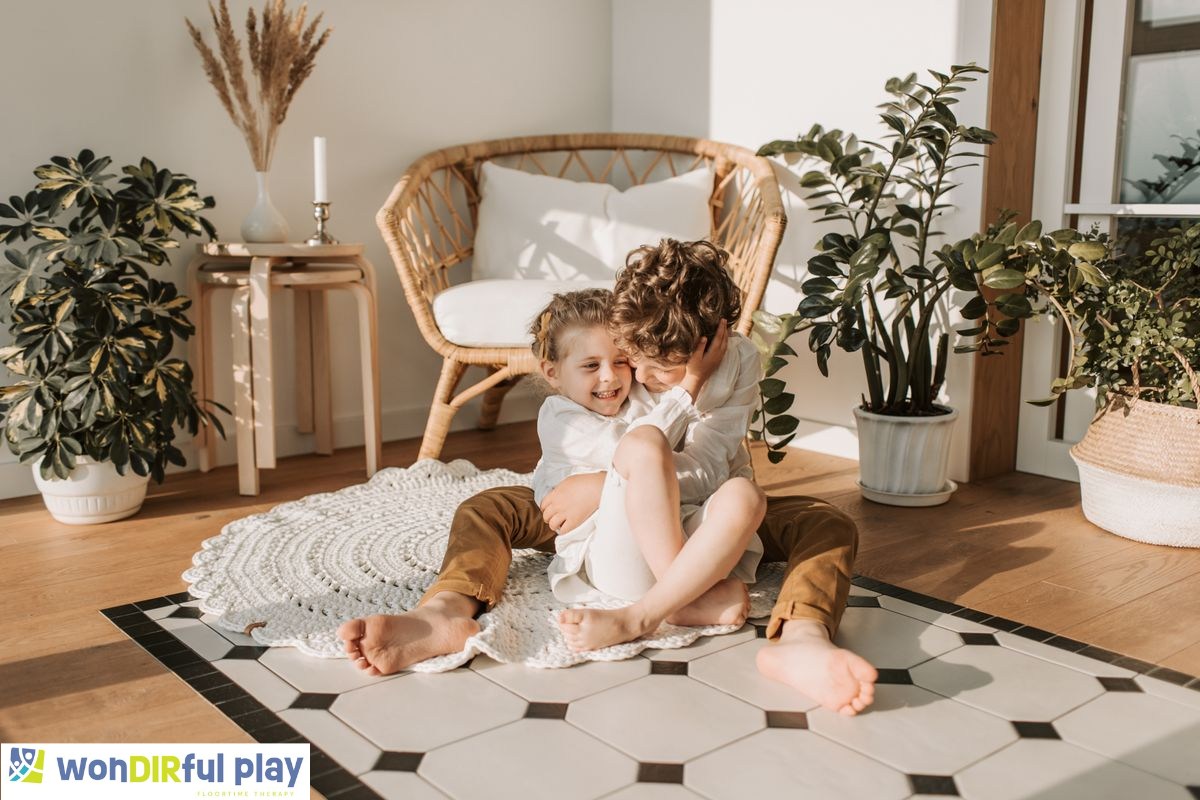
Many autistic children feel sound, light, and touch strongly. They may also read faces and tone differently. That is why co-regulation in autism often needs fewer words, more time, and a very steady adult. DIR/Floortime therapists build this into play.
Look Through Your Child's Senses
Before you try any calming move, scan the room. A bright, noisy space can block calm no matter how soft your voice is. Change the room first. Dim a light, turn off a screen, or step outside. Then offer your presence. Many children settle faster when the world gets quieter.
Serve and Return Builds Calm
Your child sends a signal with a look, a sound, or a move. You answer it. Then you wait. This back-and-forth is often called serve and return.
- Notice what your child is focused on
- Answer with a word, smile, or gesture
- Name the feeling in a few words
- Give your child time to respond
If your child lives in Edison or anywhere nearby, a therapist can coach you in these steps at home.
How to Co-Regulate With a Dysregulated Child
Dysregulated means your child's feelings have gotten bigger than their coping skills right now. Try these steps in order:
- Check your own breathing first
- Lower the noise, light, and demands
- Use few, slow words
- Stay close, at your child's eye level
- Wait for signs of settling, like slower breathing
- Talk about it later, when everyone is calm
These steps show how to co-regulate with a dysregulated child without adding pressure. Keep them short. Practice them when things are calm, so your hands know them when feelings run high.
What Not to Do
- Do not argue or reason in the middle of a meltdown
- Do not take away comfort items
- Do not demand eye contact
- Do not promise rewards to end the storm
Your calm is the tool, so look after yourself too. Take a breath, drink water, and ask a partner to tag in when you need a break.
Co-Regulation Strategies for Kids
Co-regulation strategies for kids work best when they match your child's senses. Offer only what your child accepts, and never force touch.
- A quiet corner with soft light
- Slow rocking or swinging
- A favorite song hummed softly
- Heavy, steady pressure only if your child likes it
Repair After the Storm
After a hard moment, reconnect. Offer a hug if your child likes one, or sit quietly side by side. Keep words few and kind. Later, name what happened in simple terms, like "That was loud and scary. We got through it." Repair teaches your child that feelings pass and the relationship stays safe.
Co-Regulation Examples at Home
Here are quick co-regulation examples you can borrow. At the store, say, "Loud in here. I've got you. Let's sit in the car."
At bedtime, dim the lights and hum. During homework, sit nearby and say nothing for a minute. At the park, kneel and say, "Too many kids. Want the quiet bench?" Families near Lakewood or Toms River can ask a therapist to practice these live.
How DIR/Floortime Builds Calm
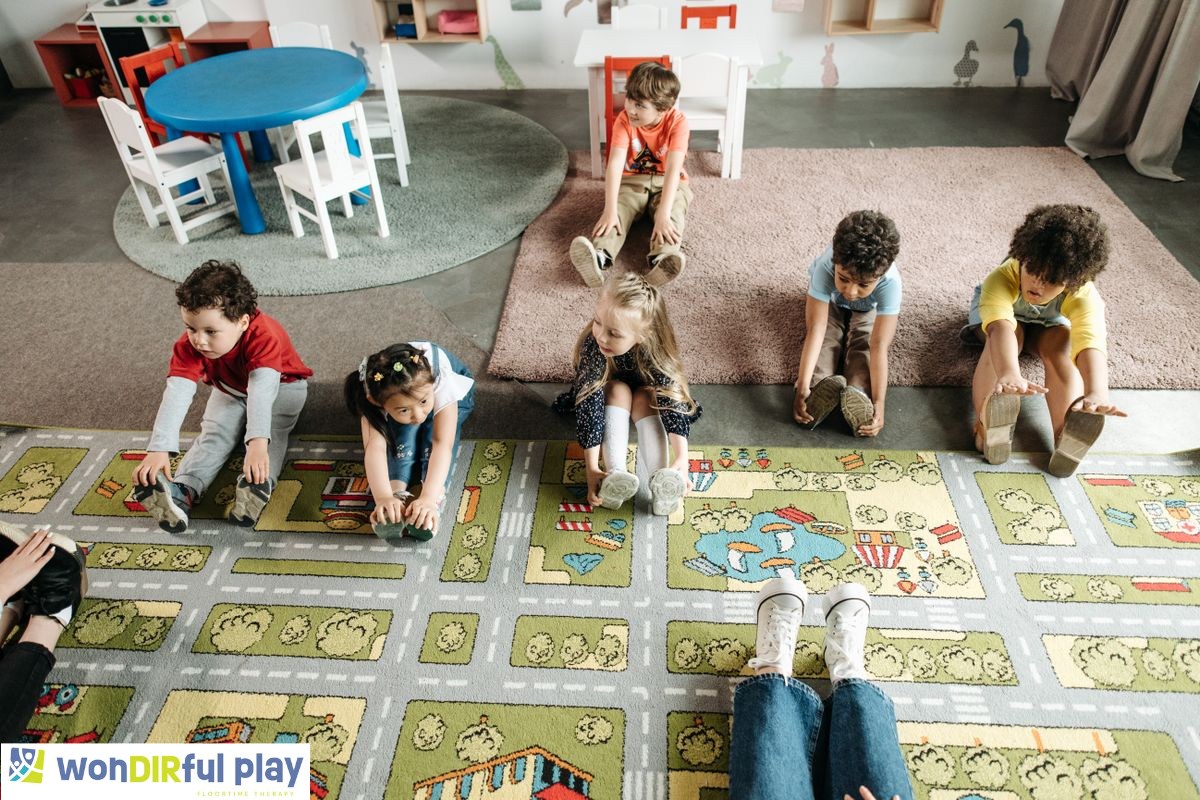
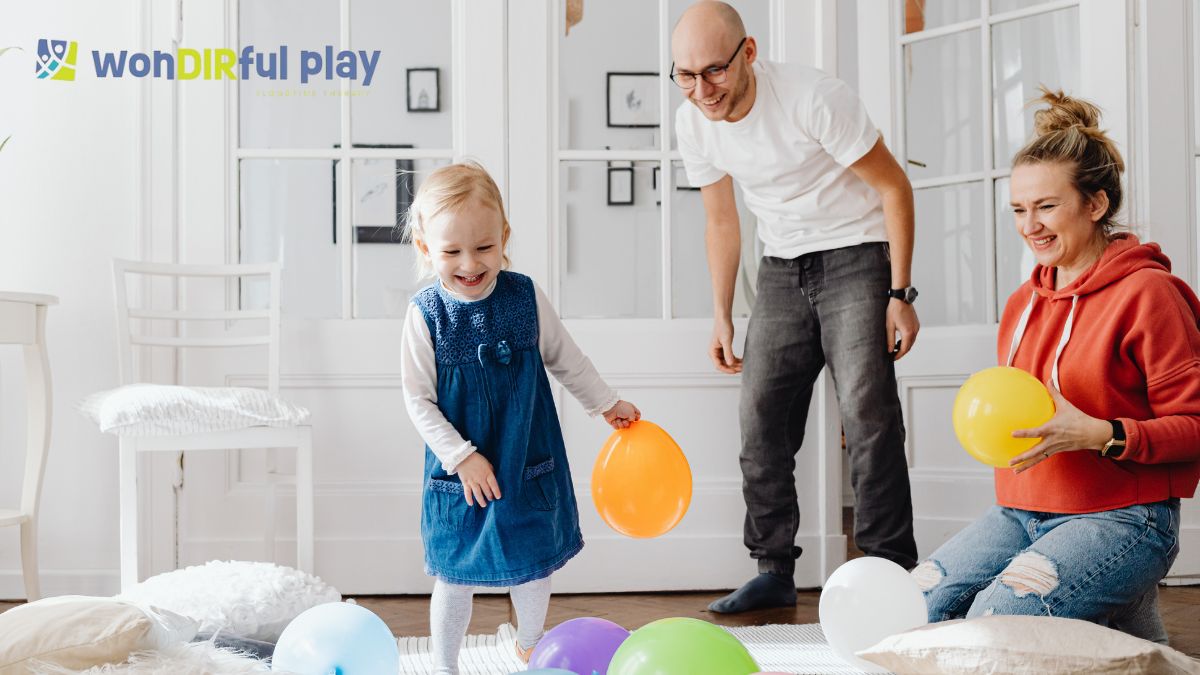
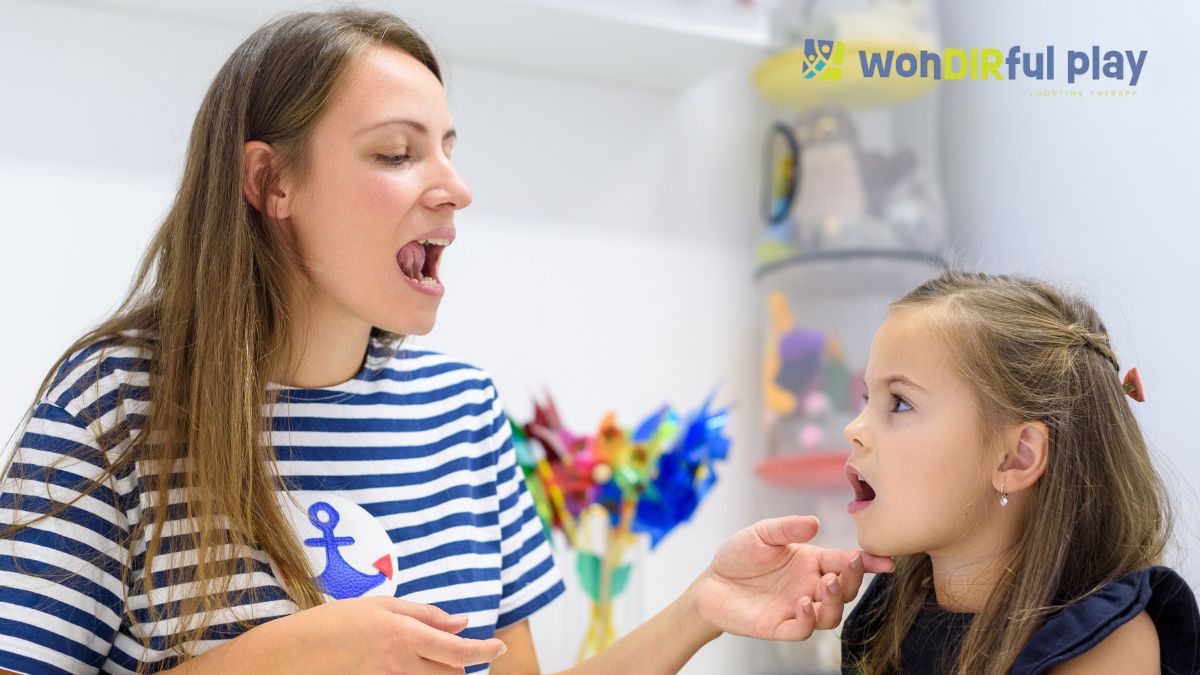
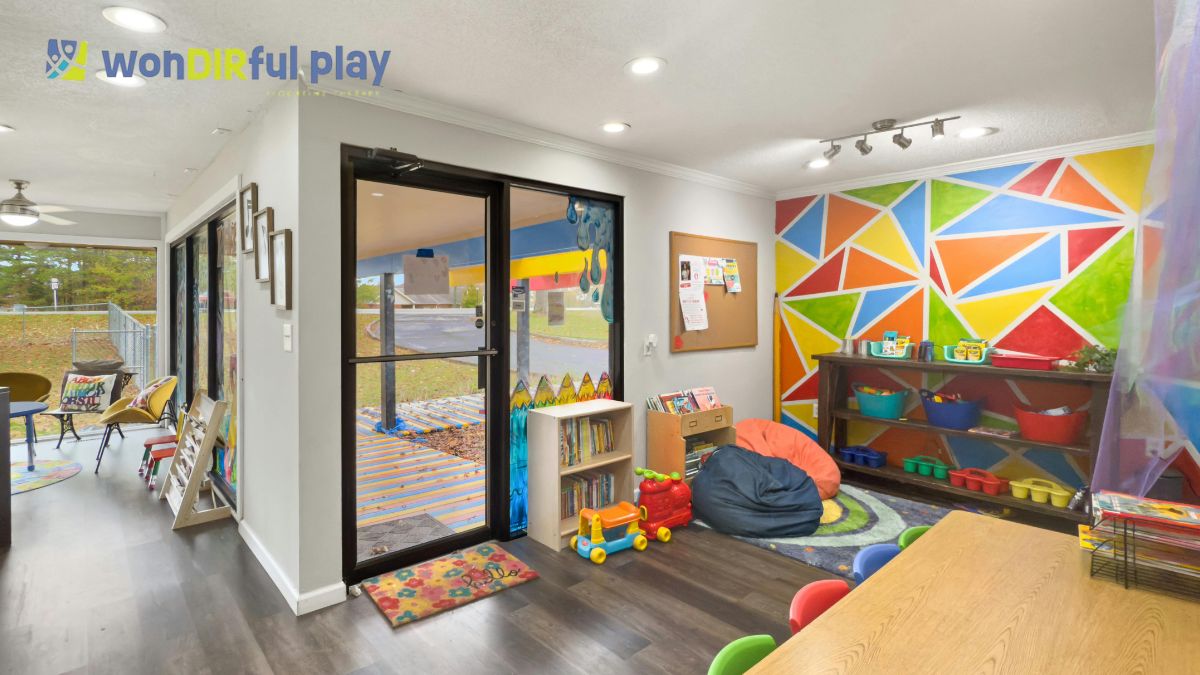
A DIR Floortime therapist visits your home and works one-on-one with your child. The therapist follows your child's lead, joins the play, and builds trust. WonDIRful Play also offers center-based sessions, family training, and school support, including in Woodbridge.
Research on this model is still growing. One review found that studies of DIR/Floortime reported gains in self-regulation and parent-child interaction, which researchers call promising, not proven.
Ask about DIR/Floortime therapy services and how progress is tracked. The team also says parents are the primary caregivers, so parent training is part of the plan and your input is gathered along the way.
How Getting Started Works
The first weeks follow four clear steps:
- An intake consultation with the administrative team
- Insurance verification and eligibility checks
- An evaluation of your child's skills and a therapy plan
- Therapy that begins with data recording to monitor progress
Questions to Ask Your Team
- How will you teach me to co-regulate?
- How do you adjust when my child is overwhelmed?
- How do you track progress?
- How do you work with my child's school?
A good team answers in plain words. It also treats co-regulation vs self-regulation as a goal you share, not a test your child must pass.
Frequently Asked Questions
What is co-regulation?
Co-regulation is when a caring adult helps a child settle big feelings through calm tone, closeness, and patience. It teaches the child's body what calm feels like, so self-regulation can grow.
Is co-regulation in autism different from other children?
The basics are the same, but autistic children often need more time, fewer words, and attention to sensory needs. Watch your child's cues and adjust the sound, light, and pace.
Which co-regulation strategies for kids work best?
The best ones match your child. Many children respond to a slow voice, a quiet space, and your steady presence. Try one strategy at a time and note what helps.
What are some co-regulation examples for bedtime?
Dim the lights, lower your voice, and keep the same routine each night. Sit close, hum, or rub a back if your child likes touch. Save big talks for morning.
Can I co-regulate too much?
Helping your child calm does not spoil them. Children build self-regulation after many calm moments with you. Over time, you can gradually step back as your child shows new skills.
Lend Your Calm and Watch It Grow
You do not need perfect timing or perfect words. Tomorrow, when your child's voice rises, try this. Breathe out slowly. Get low. Say three quiet words. That small pause is co-regulation vs self-regulation at work, and your child will feel it.
WonDIRful Play brings DIR Floortime therapy to your home, a center, or your child's school. The team handles intake and insurance steps, evaluates your child's skills, and shares ongoing progress updates with you. Parents join through family training, so you can practice the same moves between sessions.
Want help building calm that truly lasts? Contact us and tell us what hard moments look like at your house. We will listen first, and we will go at your child's pace.
Recent articles


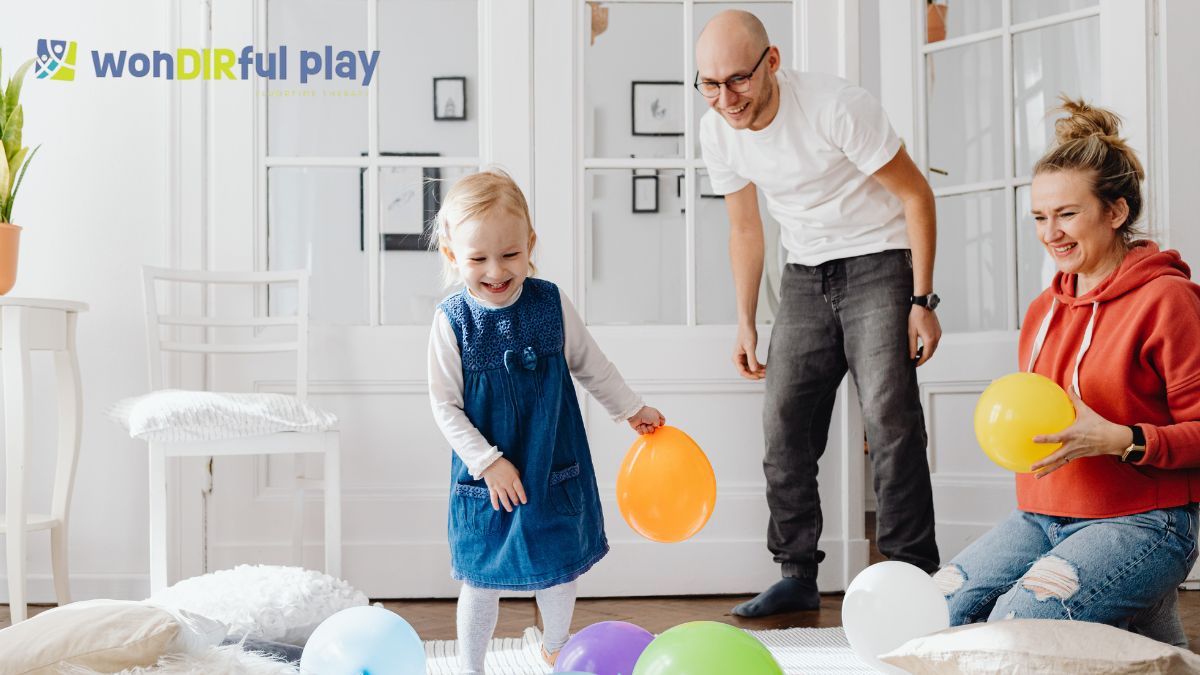


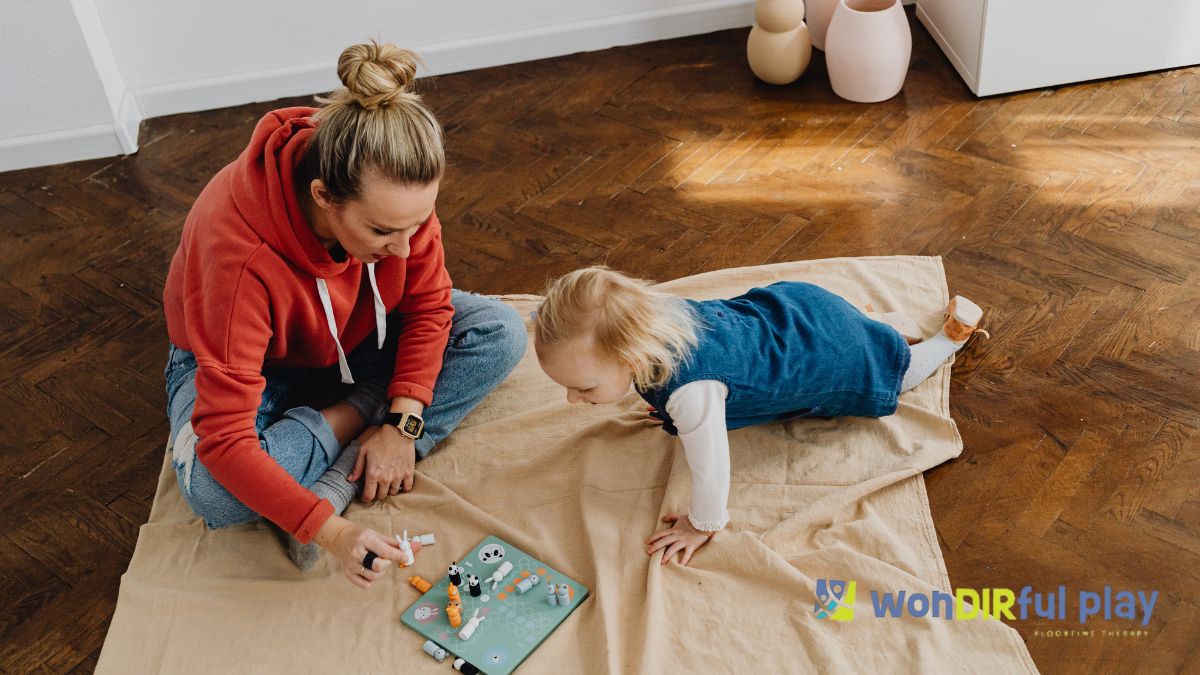






























Our team is ready to answer your questions and address your concerns.


With WonDIRfulPlay, growth feels effortless and joyful. Our DIR floortime therapy services in Lakewood, NJ focus on building emotional connections, communication, and social confidence while addressing sensory and behavioral challenges.
For compliance matters, please call 732-523-9070 or email compllance@wondirfulplay.com


