
PDA Autism Therapy: How DIR/Floortime Supports Demand Avoidance
November 17, 2026
Explore PDA autism therapy options, what research says about PDA, and how DIR/Floortime's child-led play can lower pressure.
Key points:
- PDA, or pathological demand avoidance, describes extreme avoidance of everyday demands. It is not an official diagnosis in the DSM-5 or ICD-11.
- Anxiety and a strong need for control often sit underneath. Lower pressure, shared choices, and connection tend to help.
- Research on PDA is young, so ask any provider how they will track your child's progress.
Your child can build a tower, tell a joke, and chat for an hour. Then you ask for one small thing, and everything falls apart. Many parents of children with pathological demand avoidance (PDA) know this pattern well. Finding PDA autism therapy that actually helps can feel like a maze.
PDA describes a profile of intense demand avoidance, often tied to anxiety. It is not an official diagnosis, and experts still debate it. This guide stays honest about that. DIR stands for Developmental, Individual Differences, Relationship-based, and it uses play and trust to lower pressure.
You will find practical tips, questions for providers, and a look at how family-centered DIR Floortime care works. Take what fits your child and leave the rest. Nothing here replaces advice from your child's doctor. You know your child best. A calm adult who respects your child's need for control is often the first step.
What PDA Is, and What It Is Not
A British child psychologist first described PDA in the 1980s. She noticed children who met ordinary demands with intense, anxious avoidance. Today, PDA is not listed in the DSM-5 or ICD-11.
One systematic review calls it controversial and criticized it for overlooking anxiety. Another team concluded that the evidence does not support PDA as a separate syndrome, yet it points to real difficulties for many autistic children.
So the label is debated, but your child's struggles are real. Many families use the term since it fits what they see. DIR Floortime services start with listening to that experience.
Why Demands Feel So Big
For some children, even gentle requests feel like a threat to their freedom. Anxiety rises, and the child may bolt, argue, joke, or freeze. This is not bad manners. It is a stress response. Seeing it that way changes how you answer.
Signs Parents Often Describe
- Strong reactions to everyday requests
- Avoiding tasks through distraction, excuses, or silliness
- Big swings in mood when pressure rises
- Doing better when feeling in control
These signs overlap with anxiety, ADHD, and other conditions. A full evaluation matters.
PDA Autism Therapy: What Tends to Help
No PDA autism treatment has been proven, so look for approaches that lower pressure and build trust. Many families and clinicians suggest these ideas:
- Offer real choices
- Use comments instead of commands
- Turn tasks into play
- Keep routines flexible
- Share the problem and solve it together
A Morning With Fewer Fights
Before: "Brush your teeth now." After: "I am brushing mine. Want the dinosaur brush or the blue one?" The task stays the same. The pressure drops, and your child keeps some control. Humor, silly voices, and play can help too.
Calm adults matter. When you stay steady, your child borrows that steadiness. Avoid power struggles, which feed anxiety. Pick a few key demands and let the rest slide. Give notice before changes, but keep it light, and offer a choice about order, like which room to visit first.
PDA-Friendly Therapy Principles

PDA-friendly therapy usually shares four traits:
- The child leads, and the adult follows
- Demands stay low and flexible
- Connection comes before skills
- Parents learn the same tools
Therapy for Pathological Demand Avoidance Starts With Anxiety
Good therapy for pathological demand avoidance looks at anxiety, sensory needs, and communication first. A psychologist or developmental pediatrician can help sort these out. Then in-home DIR Floortime sessions can bring the plan into your child's everyday space, and DIR Floortime therapy can guide the play.
PDA and Floortime: Where They Fit
Floortime was not built for PDA, and research on PDA-specific treatment is limited. Still, its child-led, relationship-first style lines up with many ideas parents already like. PDA and Floortime share a focus on trust, shared control, and play.
What a Session Can Look Like
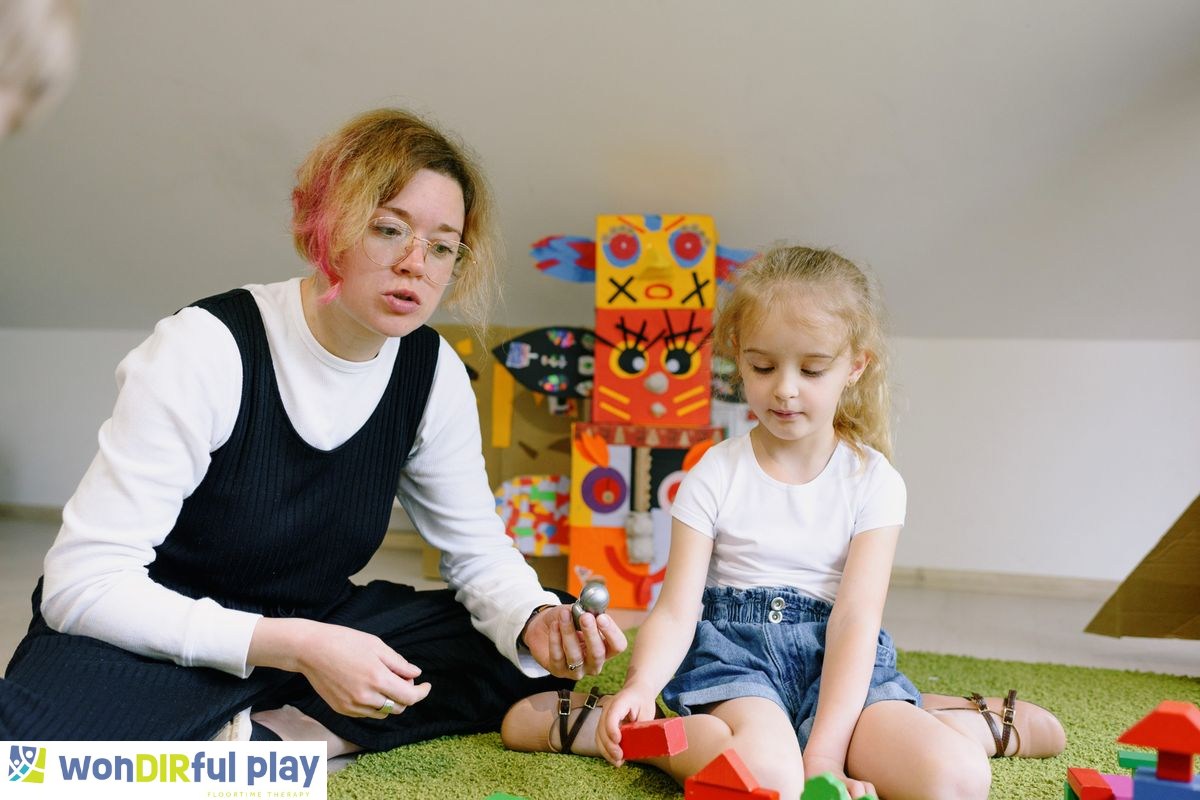
A DIR Floortime therapist visits your home and works one-on-one with your child. Instead of directing, the therapist follows your child, joins the play, and builds on your child's ideas. WonDIRful Play also offers center-based sessions in Lakewood, family training, and school-based support.
- Follow your child's interest
- Comment, do not command
- Offer choices inside the play
- Pause when your child pulls back
Parents practice at home between sessions. Small wins count, like a shared laugh over a silly toy or a calm yes to a choice. Write them down so you can see progress when a day goes badly.
Using Comments in Sessions
A therapist might say, "I wonder if the dinosaur wants a snack," instead of "Feed the dinosaur." Good PDA autism therapy leaves room for your child to say yes in their own way. Parent coaching helps these habits spread. WonDIRful Play says family training is part of the plan, and your input guides therapy.
Honest Limits
Reviews of Floortime look at autistic children in general, not PDA alone. Ask your team what they expect for your child and how they will check it. Families near Trenton can ask the same questions.
Choosing the Best Therapy for a PDA Child
There is no single best therapy for a PDA child. The best fit is a team that listens, stays flexible, and shares control with your child. Bring these questions:
- How do you lower demands during sessions?
- What do you do when my child refuses?
- How will you measure progress?
- How will you coach me?
Write your answers down. Compare two or three teams, and notice how each one talks about your child. Respect and curiosity matter more than any label. Trust your gut when something truly feels off.
Signs a Team Fits
- Staff stay calm when your child refuses
- Staff offer choices without pressure
- You get clear updates
- Your child seems safe and curious
Care for Yourself Too
Living with intense demand avoidance is tiring. Trade off with a partner or friend when you can. Talk to your own doctor or counselor if stress piles up. Strong PDA autism therapy supports the whole family.
Start With a Full Evaluation
See a developmental pediatrician or psychologist. Ask about autism, anxiety, ADHD, sensory needs, and language. An accurate picture shapes any PDA autism treatment plan, whether you live near Piscataway or Woodbridge.
Questions About Insurance
The website lists plans such as Wellpoint, UnitedHealthcare, Horizon NJ Health, and Fidelis Care. Coverage depends on your plan, so ask the team to verify your benefits first.
How Getting Started Works
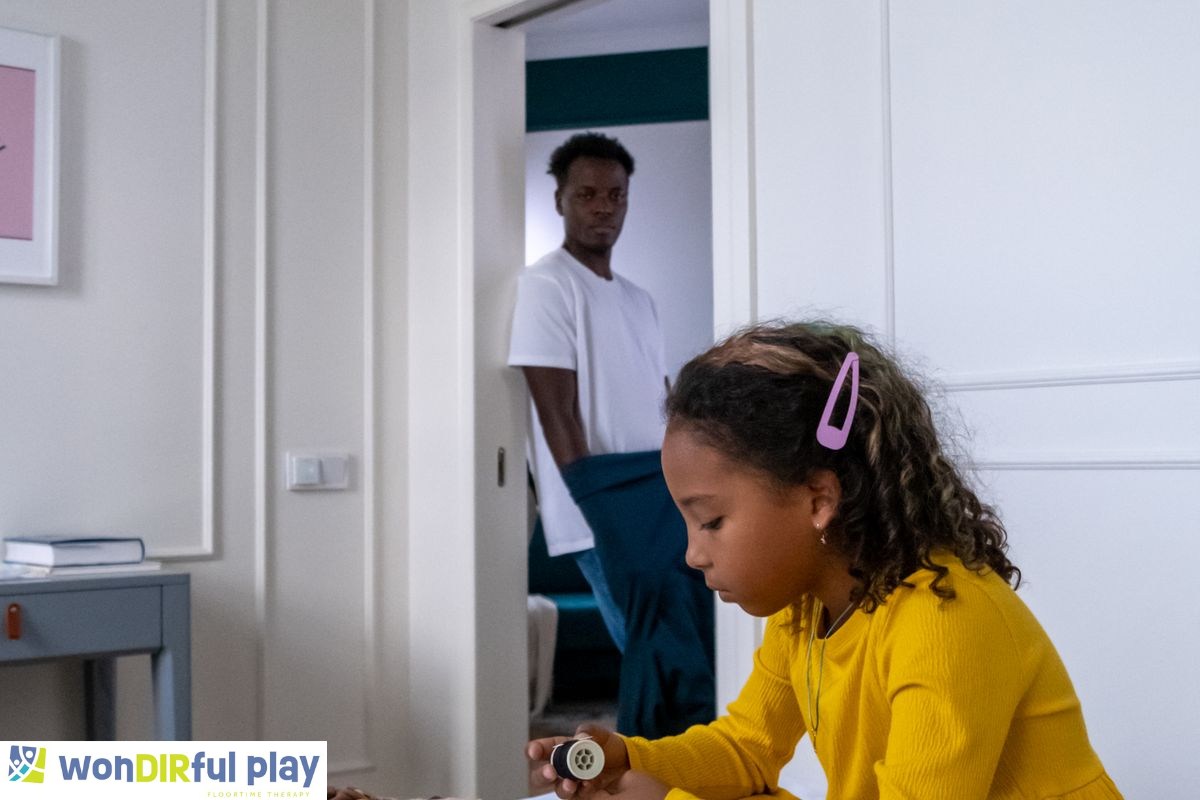
At WonDIRful Play, you meet the administrative team for an intake consultation. The team verifies your insurance and handles the steps. Your child's skills are evaluated to build a plan, and therapy begins with data recording to monitor progress.
Frequently Asked Questions
What is the best therapy for a PDA child?
No single therapy is best for every child. Look for a flexible team that lowers pressure, follows your child's lead, and trains you. Ask how they will measure progress before you start.
Is PDA-friendly therapy different from regular therapy?
It often uses fewer direct demands, more choices, and more play. The adult shares control and watches for signs of stress. The goals stay meaningful, but the route feels gentler to your child.
Is there research on PDA and Floortime?
Research on Floortime exists for autistic children in general, but PDA-specific studies are scarce. That is why tracking your child's own progress matters. Ask your team how they will do it.
Is there a proven PDA autism treatment?
Not yet. PDA is still debated, and evidence for any single approach is limited. Many clinicians focus on anxiety, communication, and sensory needs, and they fit support to the child.
What does therapy for pathological demand avoidance involve?
It usually begins with an evaluation and goal setting, then play-based sessions, flexible routines, and parent coaching. Your team checks anxiety and sensory needs and updates the plan as your child grows.
Lower the Pressure, Raise the Trust
Picture a morning with fewer fights. Instead of "Get dressed," you say, "The red shirt and the blue shirt are on the bed." Your child chooses. Small choices like that hand some control back. That shift is the heart of PDA autism therapy at home.
WonDIRful Play offers DIR Floortime therapy at home, in a center, and through school support. The team handles intake and insurance steps, evaluates your child's skills, and shares ongoing progress updates. Parents join through family training, so the same gentle style carries into daily routines.
Want a gentler, calmer path forward? Reach out to us and describe a typical hard moment at home. The team will listen first, and one example is enough to begin.
Recent articles

















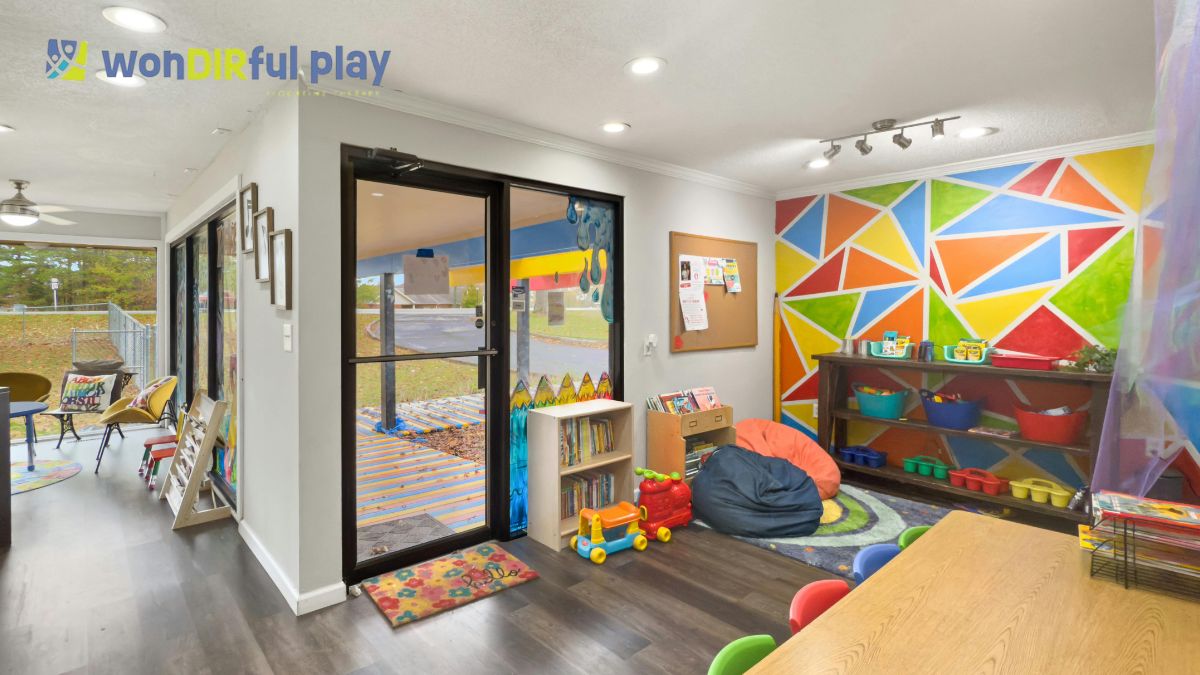



























Our team is ready to answer your questions and address your concerns.


With WonDIRfulPlay, growth feels effortless and joyful. Our DIR floortime therapy services in Lakewood, NJ focus on building emotional connections, communication, and social confidence while addressing sensory and behavioral challenges.
For compliance matters, please call 732-523-9070 or email compllance@wondirfulplay.com


