
How DIR/Floortime Helps Siblings and Family Relationships in ASD Households
December 27, 2025
Learn how floortime family support strengthens siblings and family relationships in ASD households, fostering empathy, connection, and healthy interaction patterns.
-ink.jpeg)
Key Points
- Floortime family support strengthens emotional bonds, improves communication patterns, and fosters empathy among children and siblings in ASD households.
- Engaging siblings in DIR/Floortime creates shared experiences that reduce stress, promote cooperation, and support positive family dynamics.
- Structured family involvement enhances outcomes for children with ASD across social, emotional and behavioural domains, benefitting the entire household.
Families with a child on the autism spectrum face unique relational challenges. Siblings may feel overlooked, misunderstood, or uncertain how to interact with a neurodivergent brother or sister. Caregivers often struggle to balance therapy, daily routines, and healthy family dynamics. Developmental, Individual‐difference, Relationship‐based (DIR)/Floortime is an intervention model designed to support developmental growth through natural, emotionally attuned interactions. Unlike techniques that focus narrowly on behaviour change, DIR/Floortime emphasises deepening connections among family members through play and shared experience.
Extensive research shows that family engagement in Floortime activities enhances emotional development, communication skills, and social engagement in children with autism, and significantly impacts how siblings and parents relate to one another. This article explores how floortime family support specifically supports siblings and family relationships in ASD households with practical insights and research‑informed guidance.
What Is DIR/Floortime and Why Family Participation Matters
-ink.jpeg)
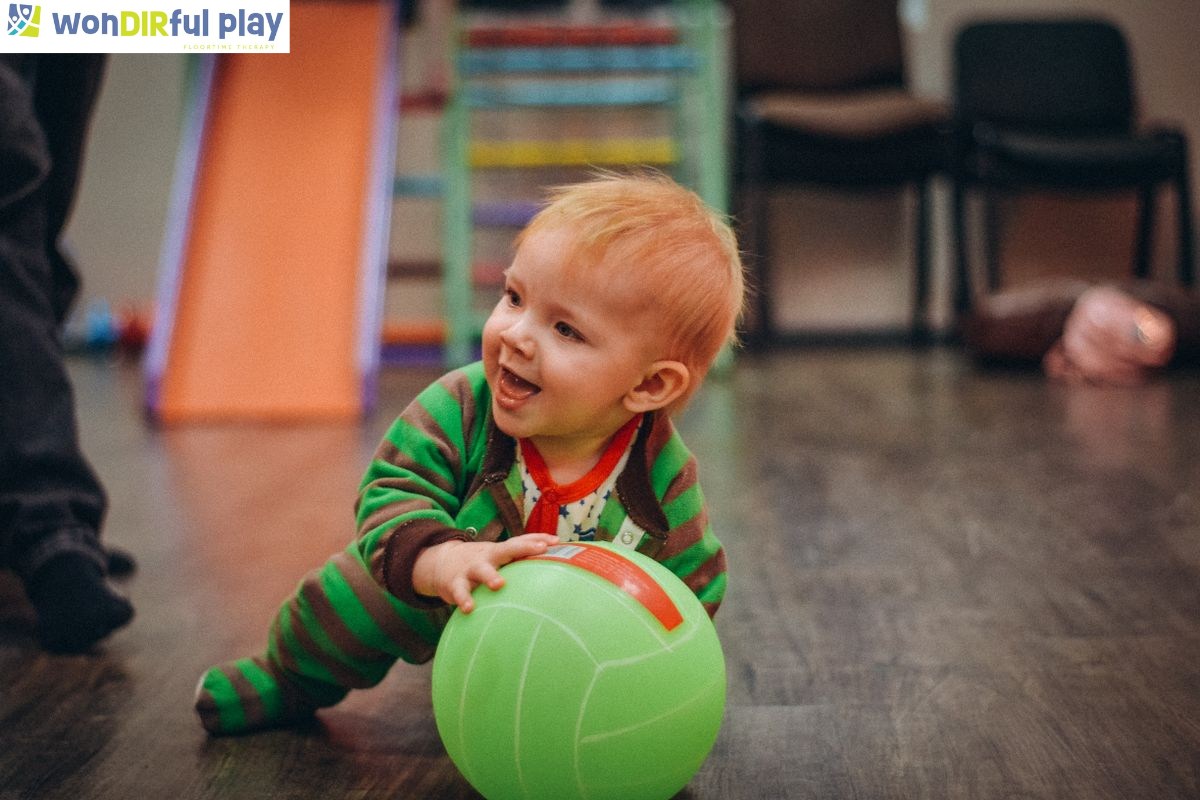
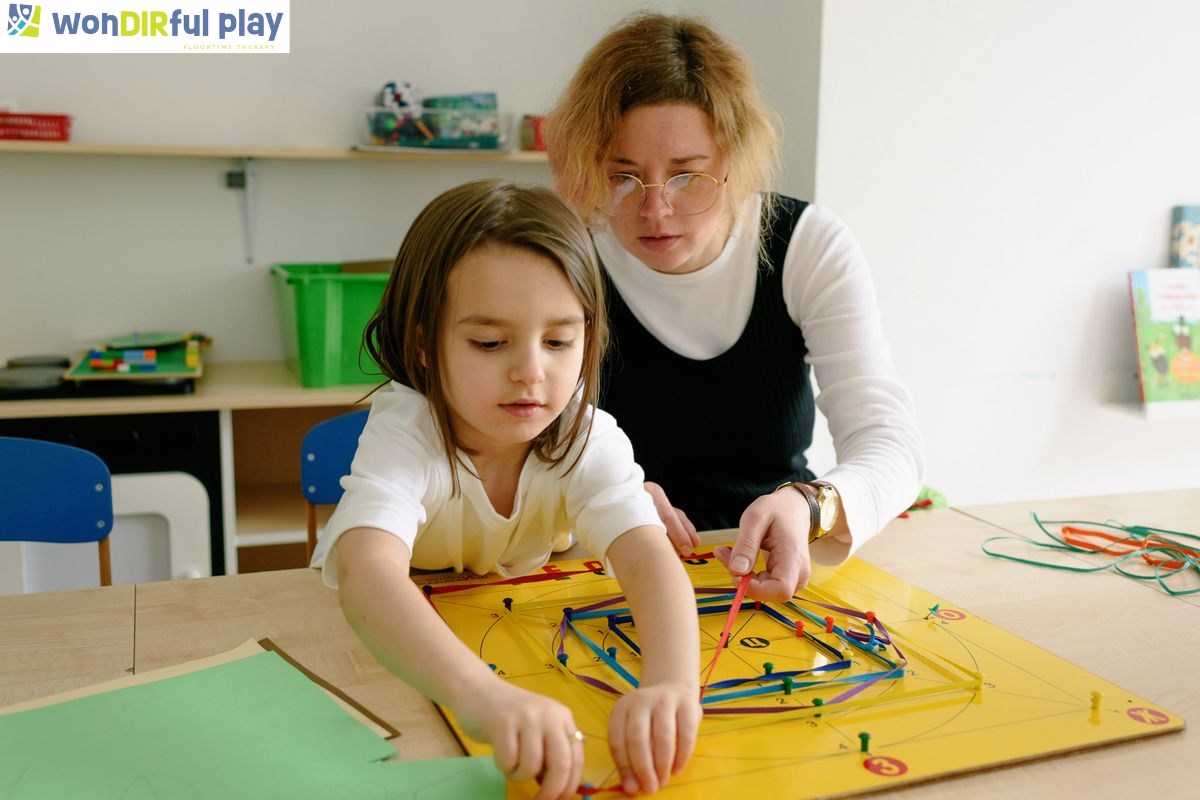
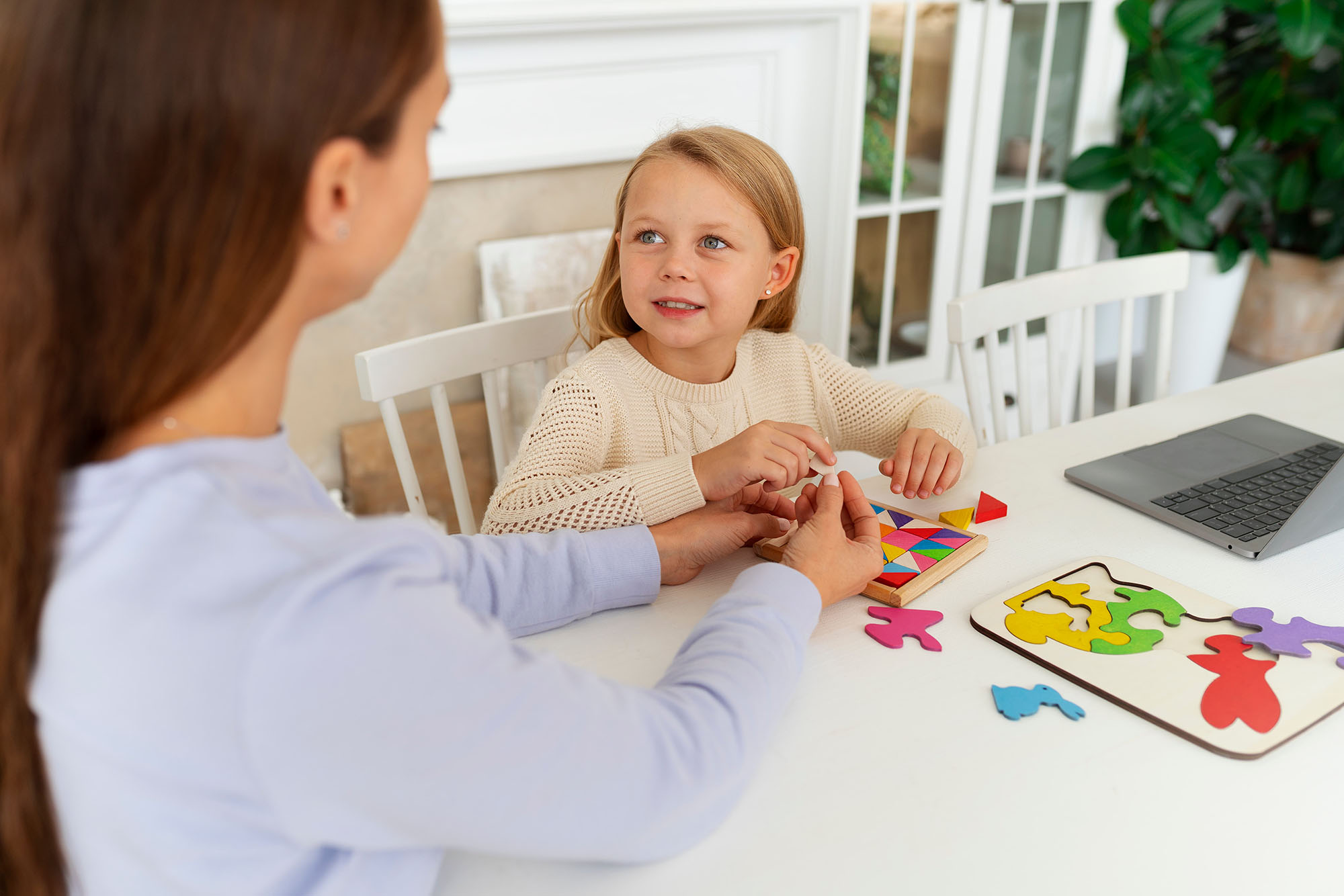
DIR/Floortime is a developmentally based intervention rooted in the premise that meaningful relationships are crucial for growth. It supports individual differences, acknowledges each child's unique challenges, and uses relationship‑based play to nurture emotional and social capacities. Parents and caregivers are key partners in this process, engaging children in activities that follow their interests, encourage back‑and‑forth communication and promote complexity in interaction.
Active involvement of family members, including siblings, extends this model beyond structured sessions into everyday life. Research consistently shows that when parents apply DIR/Floortime techniques at home, children demonstrate improvements in emotional functioning, communication, and daily living skills.
Core Elements of DIR/Floortime
- Child‑led play that builds on interests and emotional engagement
- Two‑way interactions fostering communication and joint attention
- Emotional reciprocity that strengthens connections
- Increasing complexity in play and problem solving
Family members who participate create continuity of therapeutic practice and strengthen relational bonds.
How floortime family support Benefits Sibling Relationships
Sibling bonds are foundational to a child’s social world. When one sibling has autism, these relationships can become strained due to differences in communication styles, misunderstandings, or perceived uneven attention from caregivers. Floortime family support offers a framework that empowers siblings to connect in meaningful ways.
Encouraging Natural Interaction and Play
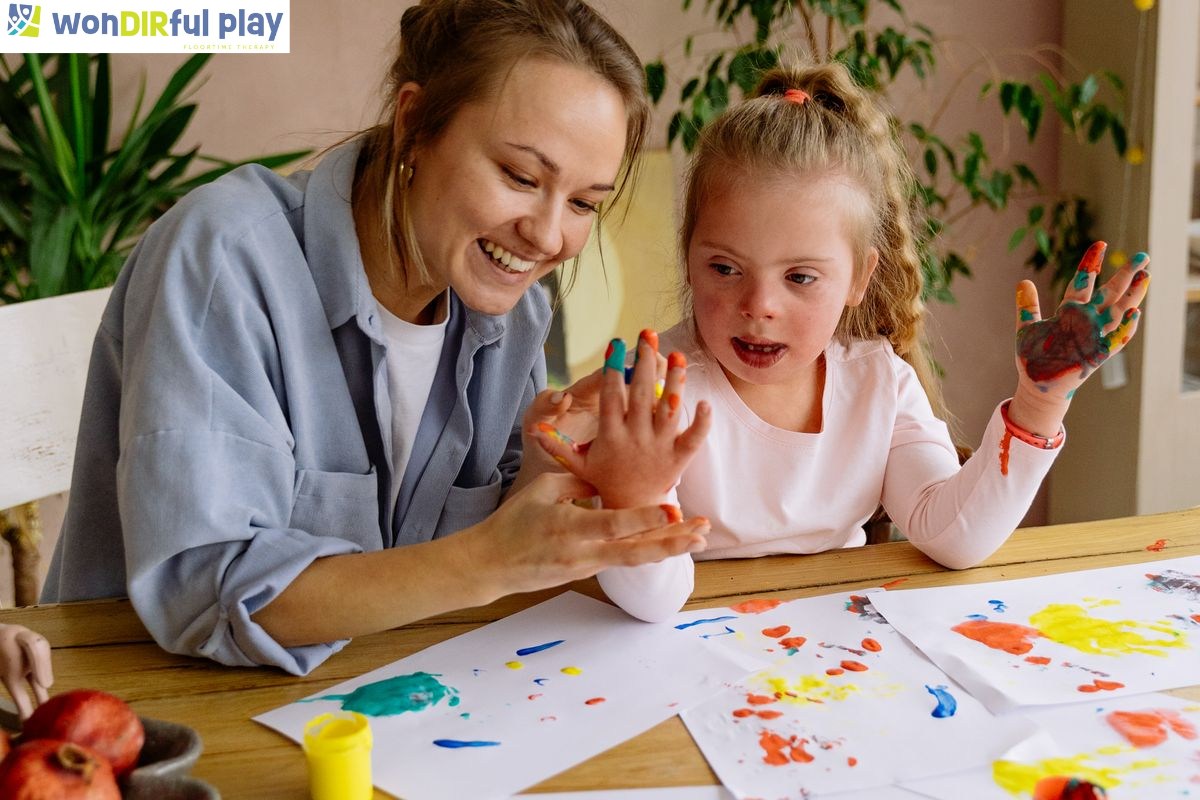
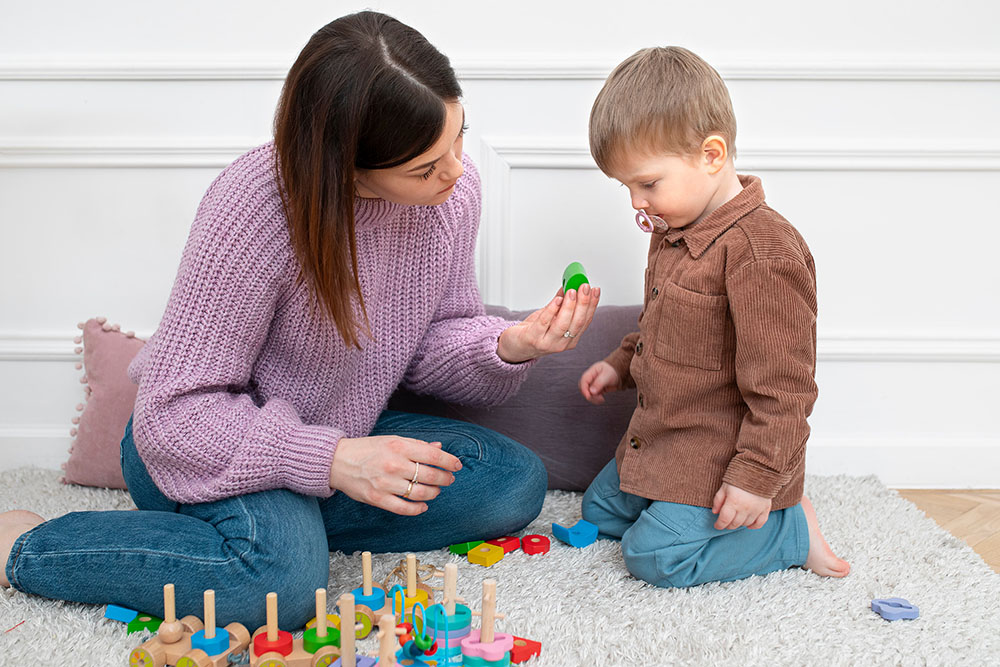
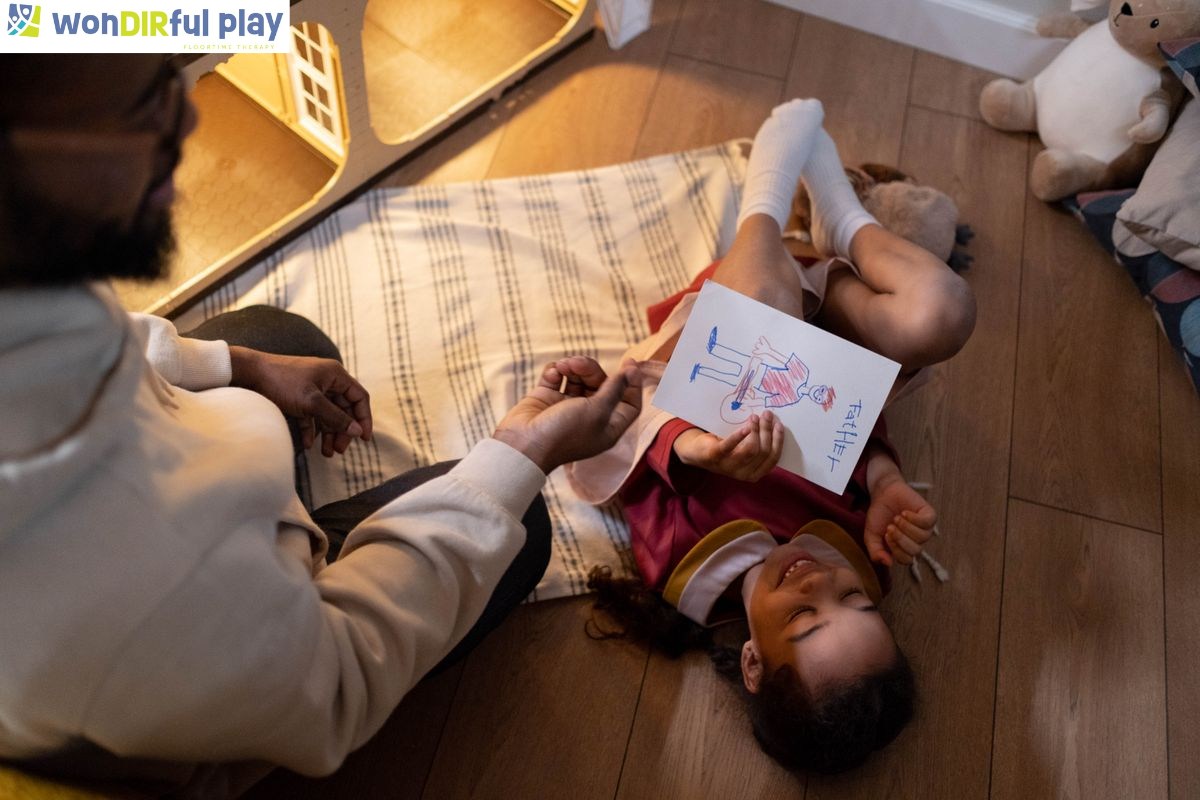
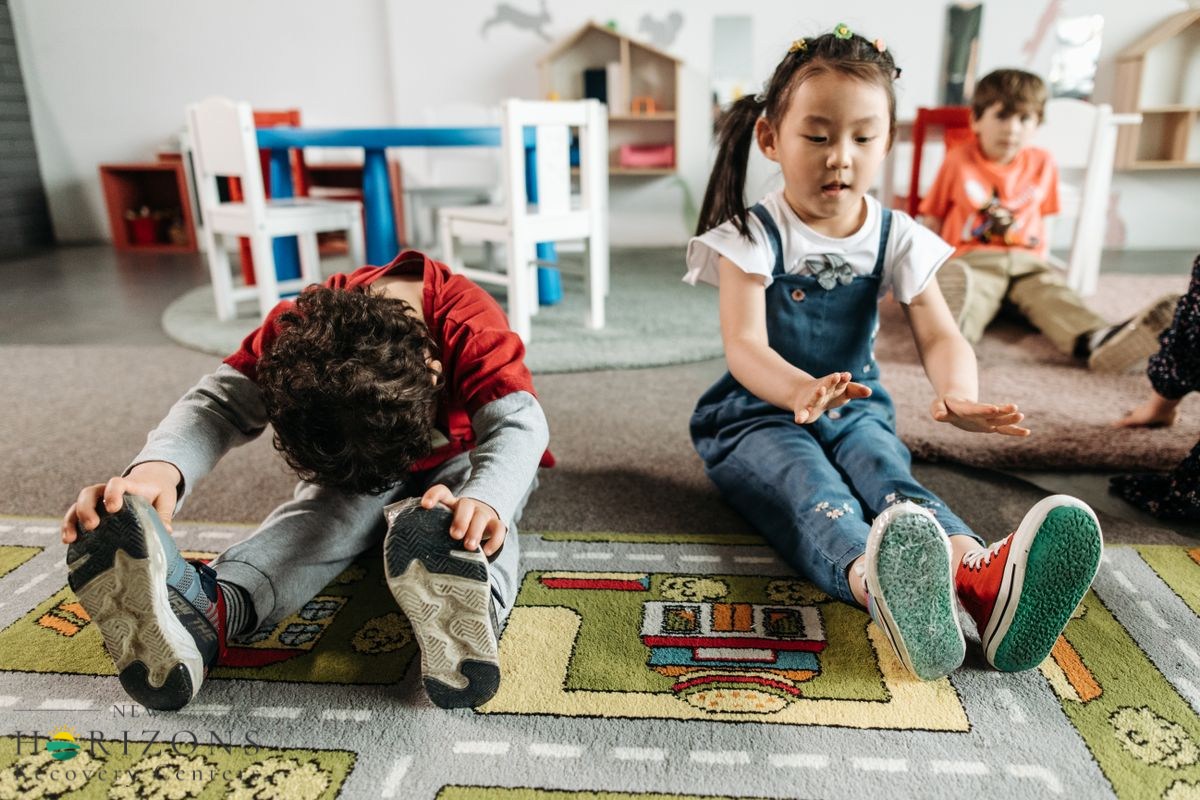
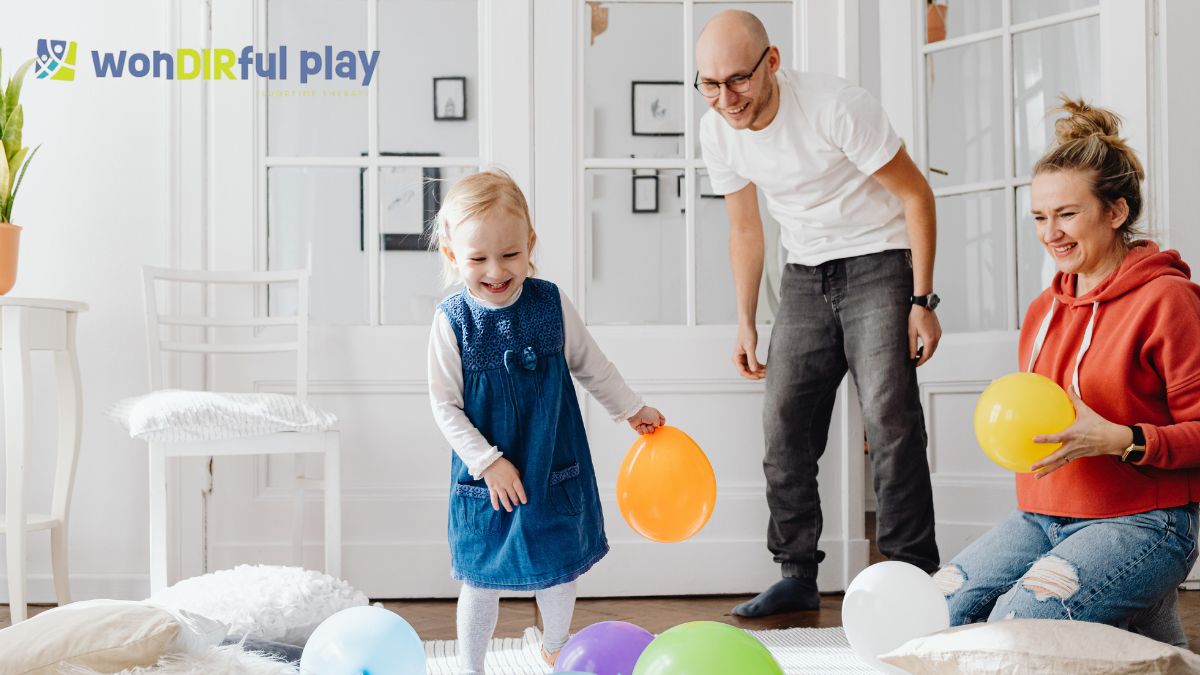
In DIR/Floortime sessions, siblings often act as play partners, helping create an inviting and engaging environment. Through joint play, siblings learn to read each other's cues, adapt their communication, and support one another's emotional expression. This naturally strengthens their bond and builds mutual understanding.
Siblings as Communication Facilitators
Children with ASD can benefit from repeated, familiar interactions that extend beyond parent‑child dyads. Siblings provide a unique context for practising social skills and communication. They can model appropriate behaviours, offer companionship, and help scaffold complex interactions in ways that feel meaningful and rewarding for both parties.
Developing Empathy and Emotional Awareness
Being involved in floortime family support encourages siblings to understand the emotional world of their brother or sister. Rather than seeing differences as barriers, siblings learn to appreciate diverse ways of expressing needs and feelings. This cultivates empathy, patience, and emotional intelligence that strengthen lifelong relationships.
Reducing Jealousy and Promoting Inclusion
Structured family play sessions can reduce sibling rivalry or feelings of neglect by creating shared positive experiences. When siblings are actively invited to engage in DIR/Floortime play, they feel valued and included in the therapeutic journey rather than excluded. This inclusive approach promotes harmony and cooperation within the family unit.
Enhancing Parent‑Sibling‑Child Connections Through Daily Routines
-ink.jpeg)
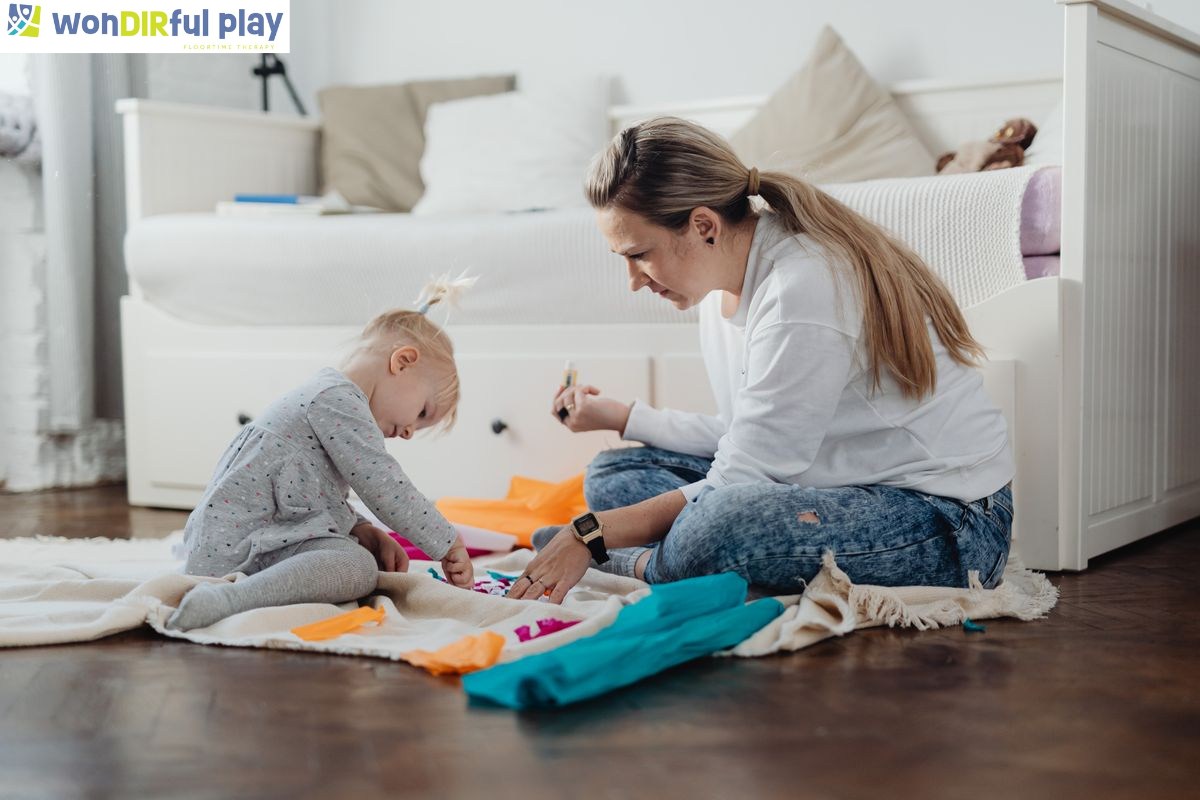
DIR/Floortime is not limited to scheduled therapy hours. One of its strengths is integrating developmental support into everyday moments. Family members can weave floortime family support into routines like mealtime, outdoor play, or shared chores. These natural interactions embed learning opportunities into daily life, creating more chances for connection across all family relationships.
Creating Consistent Engagement
Consistency is key in DIR/Floortime. Families who regularly engage in co‑play or shared activities develop patterns of attuned interaction that reinforce positive behaviours and communication skills. When siblings participate in everyday Floortime interactions, they internalise supportive ways of engaging that generalise beyond formal play.
Strengthening Emotional Safety
Emotional safety arises when family members respond sensitively to one another. In a floortime family support environment, caregivers and siblings learn to honour each other’s emotional signals and respond with warmth and validation. This creates a secure context for all children, especially those with ASD, to explore emotions and build confidence in relationships.
Shared Problem Solving
DIR/Floortime encourages collaborative problem solving rather than directive instruction. Siblings learn to approach challenges together, negotiate turns, and support each other through frustration. These shared problem‑solving moments foster resilience and reduce conflict, contributing to a cooperative family environment.
Reducing Family Stress and Promoting Well‑Being
Floortime family support benefits not only children with ASD but also caregivers and siblings by reducing overall family stress and enhancing emotional well‑being.
Empowering Parents
Research shows that parents who engage in DIR/Floortime at home often report feeling more competent and confident in supporting their child's development. This sense of capability can reduce caregiver stress and lead to more positive interactions with all family members.
Strengthening Family Cohesion
Shared positive experiences, mutual support and improved communication help build family cohesion. When siblings and parents feel effective in their roles and connected to one another, the household climate becomes more supportive, predictable, and resilient in the face of challenges.
Enhancing Emotional Regulation
Floortime play supports emotional regulation for both neurodivergent children and their siblings. As family members engage in emotionally attuned interactions, they practice recognizing and responding to feelings, which promotes calm and thoughtful responses during stressful moments.
Practical Ways to Implement floortime family support at Home
-ink.jpeg)
Integrating floortime family support into home life does not require formal sessions or specialised equipment. It revolves around principles of connection, responsiveness, and shared joy.
Follow the Child’s Lead
- Observe what interests the child, and join that activity
- Respect their pace and invite interaction
- Avoid directing play too rigidly
Encourage Sibling Participation
- Invite siblings to suggest games or activities
- Model collaborative play and share positive feedback
- Rotate roles so each child experiences leadership and support
Embed Play in Daily Routines
- Use meal prep, walks, or bedtime stories as opportunities for engagement
- Turn everyday tasks into playful challenges
- Celebrate progress and shared laughter
Promote Open Communication
- Talk about feelings, successes, and challenges as a family
- Encourage siblings to express their thoughts
- Validate each member’s experience without judgment
FAQs
What is floor time family support?
Floortime family support is the application of DIR/Floortime principles within the home and family context, engaging caregivers and siblings in emotionally attuned play to strengthen relationships.
How can siblings help in DIR/Floortime?
Siblings can act as play partners, communication models, and emotional supporters, fostering shared experiences that improve interaction patterns and empathy among family members.
Can parents without therapy training use Floortime at home?
Yes, families can implement floortime family support at home by following the child’s interests, creating playful engagement, and involving siblings in consistent, responsive interactions
Strengthen Sibling Bonds with Floortime Family Support
When siblings share space, emotions, and routines, moments of tension or misunderstanding are common, especially in households with a child on the autism spectrum. Floortime family support provides a pathway to transform these moments into opportunities for connection, understanding, and shared joy.
Families engaging in DIR/Floortime can learn to follow each child’s lead, respond to emotional cues, and build bridges of trust that extend beyond therapy sessions.
WonDIRfulPlay guides families with practical coaching, playful activities, and step-by-step strategies so parents feel confident supporting positive sibling interactions.
Reach out today to explore how structured yet playful approaches can deepen relationships, turn everyday routines into moments of connection, and foster an environment where every child feels seen, heard, and valued.
Recent articles


.jpg)
.jpg)



.jpg)


.jpg)






.jpg)



-ink.jpeg)
-ink.jpeg)
-ink.jpeg)
-ink.jpeg)
-ink.jpeg)
-ink.jpeg)
-ink.jpeg)
-ink.jpeg)
-ink.jpeg)


.jpeg)

.jpg)
-ink.jpeg)

.jpg)

-ink.jpeg)

-ink.jpeg)
-ink.jpeg)
.jpg)
.jpg)
-ink.jpeg)
-ink.jpeg)
-ink.jpeg)
.jpg)

-ink.jpeg)
-ink.jpeg)
-ink.jpeg)
-ink.jpeg)
-ink.jpeg)
-ink.jpg)
-ink.jpeg)
-ink.jpeg)
-ink.jpeg)
-ink.jpeg)
.jpg)
.jpg)
-ink.jpeg)
-ink.jpeg)
.jpg)
-ink.jpeg)
-ink.jpeg)
-ink.jpeg)
-ink.jpeg)
-ink.jpeg)
-ink.jpeg)
-ink.jpeg)
-ink.jpeg)
-ink.jpeg)
-ink.jpeg)
-ink.jpeg)
-ink.jpeg)
-ink.jpeg)
-ink.jpeg)


With WonDIRfulPlay, growth feels effortless and joyful. Our DIR floortime therapy services in Lakewood, NJ focus on building emotional connections, communication, and social confidence while addressing sensory and behavioral challenges.
For compliance matters, please call 732-523-9070 or email compllance@wondirfulplay.com

