
DIR/Floortime Therapy vs Traditional Behavioral Approaches: Choosing the Right Fit
May 22, 2026
A clear, parent-focused comparison of DIR/Floortime and behavioral therapy to help families choose the right developmental support for their child.
-ink.jpeg)
Key points:
- Understand how relationship-based and behavior-focused therapies differ in goals, structure, and daily experience for children.
- Learn how each approach supports communication, emotional regulation, and real-life skills from a parent perspective.
- Gain practical guidance to choose therapy options that align with your child’s developmental needs and family values.
Families exploring therapy options for developmental needs often find themselves comparing different models. DIR Floortime vs behavioral therapy is a common question, especially for parents seeking a child centered therapy approach. While behavioral therapy often focuses on shaping specific behaviors, developmental therapy vs behavioral therapy highlights a key difference in how learning occurs. DIR Floortime emphasizes relationships, emotional connection, and play as the pathway to development. Play based therapy vs behavior therapy also differs in how parents are involved and how progress is measured. Child led therapy benefits include increased motivation, deeper engagement, and more flexible learning. Understanding this developmental intervention comparison helps families make informed choices about floortime therapy in New Jersey.
Understanding the Foundations of Developmental and Behavioral Therapies
At the core of this discussion is the difference between developmental therapy vs behavioral therapy. Developmental approaches are built around how children naturally grow, emotionally, socially, and cognitively. Behavioral approaches focus on shaping observable behaviors through structured teaching and reinforcement.
Developmental models view skills as interconnected. Communication, emotional regulation, and social interaction develop together through relationships. Behavioral models often break skills into smaller steps, teaching them individually in a systematic way.
Research published by educational institutions highlights that children learn best when instruction matches their developmental readiness. This distinction matters because therapy effectiveness is not just about techniques, it is about fit. A child who thrives on structure may respond differently than a child who learns through play and connection.
What Is DIR/Floortime Therapy?
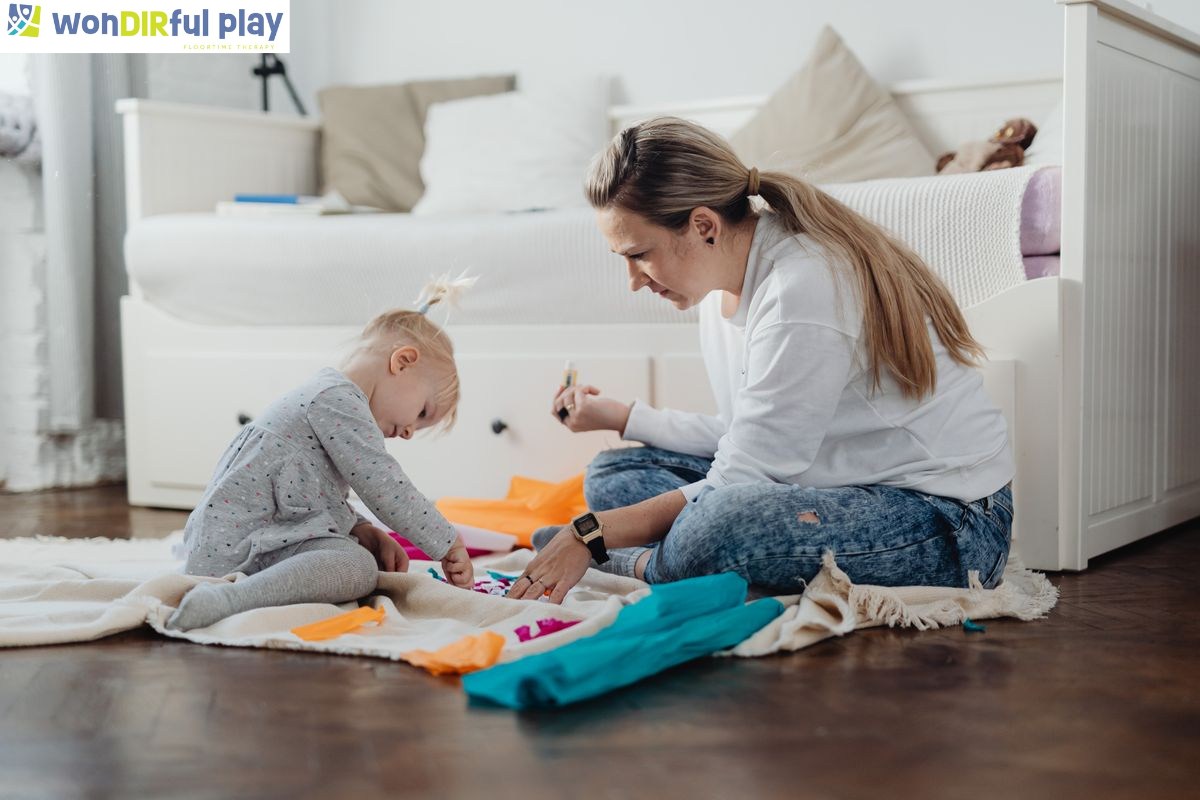
DIR/Floortime is a child centered therapy approach that emphasizes emotional connection, shared attention, and meaningful interaction. Instead of directing a child through tasks, adults join the child's play and follow their interests to build engagement.
Studies from child development research centers show that relationship-based interventions support foundational skills like joint attention and emotional regulation, which are critical for long-term learning. Floortime sessions often look like play, but they are intentionally designed to support developmental milestones.
Parents are active participants. Therapy does not end when the session ends because everyday interactions become opportunities for growth. This approach values progress that unfolds naturally, even when it looks different from traditional benchmarks.
What Are Traditional Behavioral Approaches?
Traditional behavioral therapies focus on teaching specific skills through repetition, prompting, and reinforcement. These methods are structured, measurable, and goal-oriented. Many families are introduced to behavioral therapy early because of its clear routines and data-driven framework.
According to large-scale nonprofit reviews, behavioral approaches can be effective in teaching concrete skills such as following instructions, self-care tasks, and academic readiness. Sessions often involve planned activities with clear expectations and rewards.
However, this structure can feel rigid for some children. Emotional experiences and spontaneous interactions may receive less attention, depending on how the program is designed. For parents, involvement varies, sometimes limited to observing or reinforcing skills at home.
How Child Development Is Viewed in Each Model
A key difference in any developmental intervention comparison is how progress is defined. Developmental models view learning as nonlinear. A child may move forward in communication, pause, then grow emotionally before returning to language.
Behavioral models often define progress through measurable outcomes. Skill mastery is tracked step by step, which can be reassuring for families who value clear data.
University-led developmental psychology research suggests that emotional regulation is a predictor of later academic and social success. This insight explains why developmental therapies prioritize emotional milestones before academic or behavioral ones.
Neither perspective is inherently right or wrong. The difference lies in what each model prioritizes first and how growth is measured.
Play-Based Therapy vs Behavior Therapy in Daily Life
-ink.jpeg)
When comparing play based therapy vs behavior therapy, daily experience matters. In play-based sessions, the child leads the interaction. Adults enter the child's world, using curiosity and affect to build skills naturally.
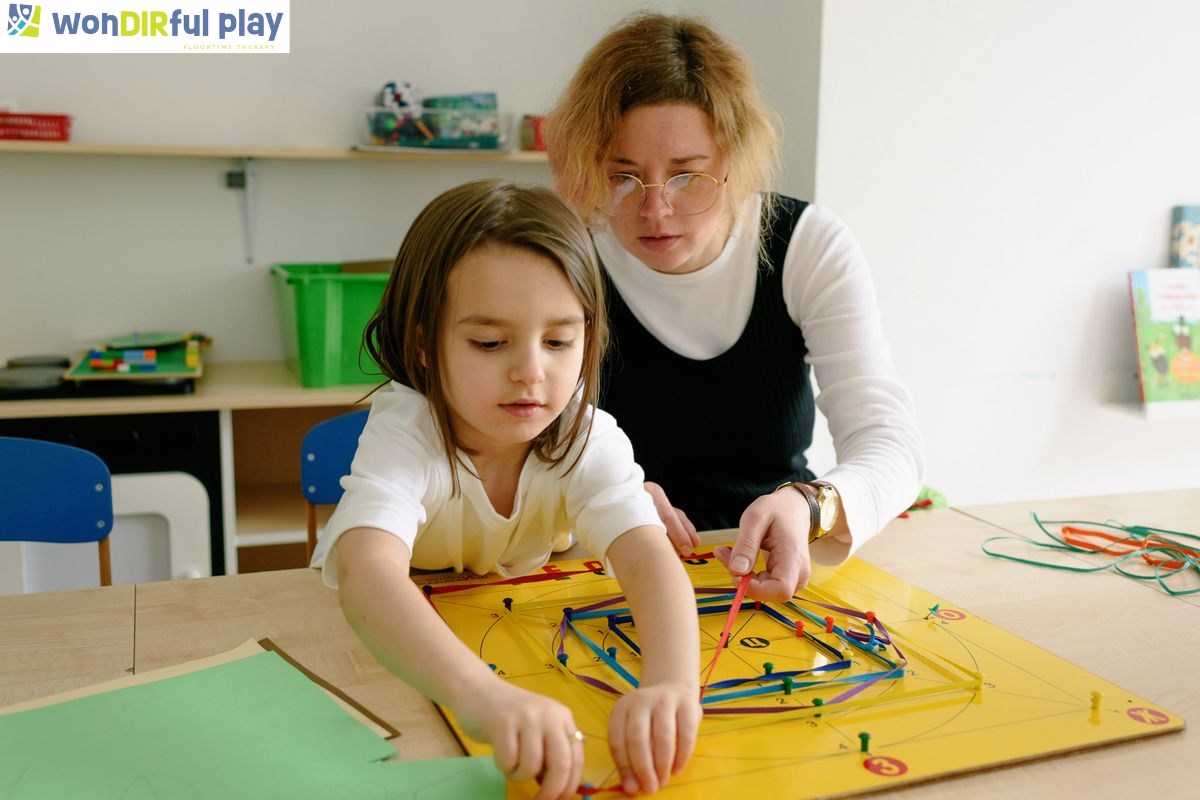
Behavior-based sessions often follow a planned sequence. Activities are selected to teach specific skills, and success is reinforced immediately. This can help children who benefit from predictability and repetition.
Parents often report that play-based approaches feel more natural at home, while behavioral strategies feel more instructional. Research from early childhood education programs shows that children generalize skills more easily when learning happens in emotionally meaningful contexts.
The right choice depends on how your child engages with the world.
Emotional Regulation and Social Connection
Emotional regulation is central to long-term development. DIR/Floortime places emotional connection at the center of therapy. Children learn to manage feelings through shared experiences, not just instructions.
Behavioral approaches may address emotional behaviors by teaching replacement skills. This can be effective for reducing challenging behaviors, but it may not always address the underlying emotional needs.
Nonprofit child mental health organizations emphasize that emotional safety supports brain development. This is why many families seek child led therapy benefits when emotional regulation is a primary concern.
Understanding how your child experiences stress, frustration, and joy can guide this choice.
Parent Involvement and Family Experience
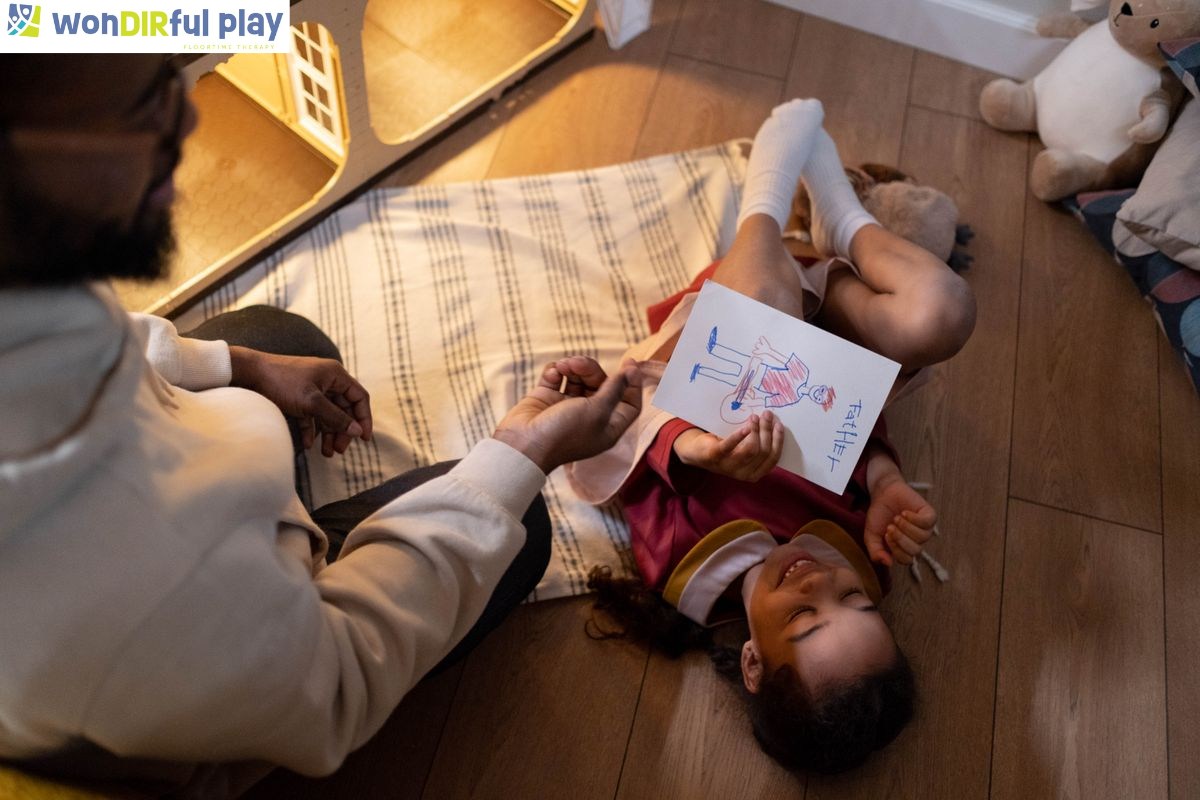
Therapy affects the entire family. In DIR/Floortime, parents are partners. Coaching helps caregivers understand how to support development during everyday routines like meals and playtime.
Behavioral therapy varies in parent involvement. Some programs offer structured parent training, while others focus primarily on therapist-led sessions.
Research from family systems studies shows that parent confidence improves when caregivers feel empowered rather than instructed. This insight aligns with parent choice therapy models that respect family values and daily realities.
Ask yourself how involved you want to be and how much guidance feels supportive rather than overwhelming.
Measuring Progress and Success
Progress looks different across models. Behavioral therapy often uses data collection to track skill acquisition. This provides clear evidence of change over time.
Developmental therapy measures progress through functional improvements like increased engagement, communication, and emotional flexibility. These changes may be harder to quantify but are meaningful in daily life.
Educational research suggests that both qualitative and quantitative measures are important. Families benefit from understanding what success looks like beyond charts and checklists.
Clarity around progress tracking helps maintain motivation and trust in the process.
Flexibility and Individualization
Children are not one-size-fits-all. Developmental approaches adapt to the child's interests and emotional state. Sessions change as the child changes.
Behavioral approaches follow structured plans but can be individualized through goal selection and pacing. However, flexibility depends on the provider's philosophy.
Nonprofit developmental research highlights that individualized interventions are associated with better long-term outcomes. This reinforces the importance of aligning therapy with your child's learning style and temperament.
Flexibility matters when life changes, routines shift, or new challenges emerge.
Choosing Therapy Based on Your Child's Needs
When exploring therapy options for developmental needs, consider how your child learns best. Some children need structure to feel safe. Others need connection to stay engaged.
Research from pediatric development programs emphasizes matching intervention style to individual strengths. A highly verbal child may respond differently than a child still developing foundational communication.
Observe how your child responds to adult direction, play, and emotional cues. These observations are often more telling than any checklist.
Can Families Combine Approaches?
Many families ask whether combining therapies is possible. Some programs integrate developmental principles into structured teaching. Others begin with one approach and transition as needs change.
Academic reviews suggest that blended models can be effective when goals are aligned and communication is clear. The key is consistency and respect for the child's emotional experience.
Combining approaches should feel supportive, not confusing, for both the child and family.
Access and Availability Considerations
Access varies by location. Families seeking floortime therapy New Jersey may find different availability compared to behavioral programs. Insurance coverage, provider training, and waitlists all play a role.
Nonprofit healthcare policy research notes that access often influences choice as much as philosophy. While availability matters, understanding the core differences helps families advocate for what truly fits.
Ask providers about training, supervision, and how therapy adapts over time.
Making a Confident, Informed Choice
-ink.jpeg)
Choosing between DIR floortime vs behavioral therapy is not about finding the best therapy overall. It is about finding the best fit for your child and family.
Trust your observations. Ask questions. Seek providers who listen and respect your role. Therapy should feel like support, not pressure.
Informed choices are empowered choices.
Frequently Asked Questions
Is one approach better for young children?
Research suggests younger children benefit from relationship-based learning, but structured approaches can also help. Effectiveness depends on developmental stage, emotional needs, and how therapy is implemented consistently.
Can behavioral therapy support emotional development?
Yes, behavioral therapy can address emotional behaviors, but it may focus more on observable actions. Some families prefer approaches that directly target emotional connection and regulation.
How long does it take to see progress?
Progress timelines vary. Some changes appear quickly in structured skills, while emotional and relational growth may develop gradually. Consistency, fit, and family involvement influence outcomes significantly.
Choose a Therapy Model That Aligns With Your Values
Every family deserves therapy options that feel right for their child and their goals. DIR Floortime offers a relationship based alternative for families who value connection and emotional development alongside skill building. When considering floortime therapy comparison options in New Jersey, many parents appreciate the flexibility and respect built into this model.
WonDIRfulPlay helps families understand the differences between therapy approaches without pressure or judgment. Our team supports parents in choosing a child centered therapy approach that aligns with their values and their child’s needs.
If you are weighing your options and want clarity about what developmental therapy can look like, reach out to us to explore whether DIR Floortime is the right fit for your family.
Recent articles



.jpg)
.jpg)




.jpg)


.jpg)







.jpg)





-ink.jpeg)
-ink.jpeg)
-ink.jpeg)
-ink.jpeg)
-ink.jpeg)
-ink.jpeg)
-ink.jpeg)
-ink.jpeg)
-ink.jpeg)


.jpeg)


.jpg)
-ink.jpeg)

.jpg)

-ink.jpeg)

-ink.jpeg)
-ink.jpeg)
.jpg)
.jpg)
-ink.jpeg)
-ink.jpeg)
-ink.jpeg)
.jpg)

-ink.jpeg)
-ink.jpeg)
-ink.jpeg)
-ink.jpeg)
-ink.jpg)
-ink.jpeg)
-ink.jpeg)
-ink.jpeg)
-ink.jpeg)
.jpg)
.jpg)
-ink.jpeg)
-ink.jpeg)
.jpg)
-ink.jpeg)
-ink.jpeg)
-ink.jpeg)
-ink.jpeg)
-ink.jpeg)
-ink.jpeg)
-ink.jpeg)
-ink.jpeg)
-ink.jpeg)
-ink.jpeg)
-ink.jpeg)
-ink.jpeg)
-ink.jpeg)
-ink.jpeg)


-ink.jpeg)


With WonDIRfulPlay, growth feels effortless and joyful. Our DIR floortime therapy services in Lakewood, NJ focus on building emotional connections, communication, and social confidence while addressing sensory and behavioral challenges.
For compliance matters, please call 732-523-9070 or email compllance@wondirfulplay.com

