
What a DIR Floortime Therapy Session Looks Like From Start to Finish
February 9, 2026
A step by step look at a DIR Floortime therapy session, helping parents understand what happens from start to finish and how child led play supports development.
-ink.jpeg)
Key points:
- Learn how a DIR Floortime therapy session flows, from arrival to wrap up, through child led play and emotional connection.
- Understand what happens in Floortime therapy and how parents are guided to support development through play.
- See real life Floortime therapy examples that show how relationships drive learning and regulation.
Many parents ask what actually happens during a DIR Floortime therapy session and whether it looks like therapy or just play. The truth is that a well designed floortime session structure blends both in a very intentional way. A typical play based therapy session begins by observing how the child enters the space, what captures their attention, and how they communicate without words.
From there, the therapist builds a developmental play therapy session that follows the child led therapy approach while gently guiding interaction forward. Each part of the DIR Floortime treatment process has a purpose, from warm up play to shared problem solving and calm closing routines.
Parent guided floortime is often included so families understand how progress is built. Seeing a clear floortime therapy example helps parents feel confident and prepared for sessions in New Jersey and beyond.
Understanding the Foundations Before the Session Begins
Before any formal play starts, a Floortime session is grounded in understanding the child as a whole person. This includes emotional, sensory, social, and developmental needs. Research from child development organizations shows that early relationships and emotional engagement strongly influence learning and communication outcomes.
The therapist begins by reviewing the child's current developmental capacities, often based on widely used developmental frameworks supported by nonprofit and educational institutions. These capacities include shared attention, emotional signaling, problem solving, and symbolic play.
This preparation ensures that the dir floortime treatment process remains flexible and responsive rather than rigid or scripted. The goal is not to force milestones but to support natural growth through meaningful interaction.
Parents are often briefed before the session starts, either verbally or through short written updates. This keeps everyone aligned and reinforces that Floortime is a collaborative, family centered approach.
How the Environment Is Set Up for Success
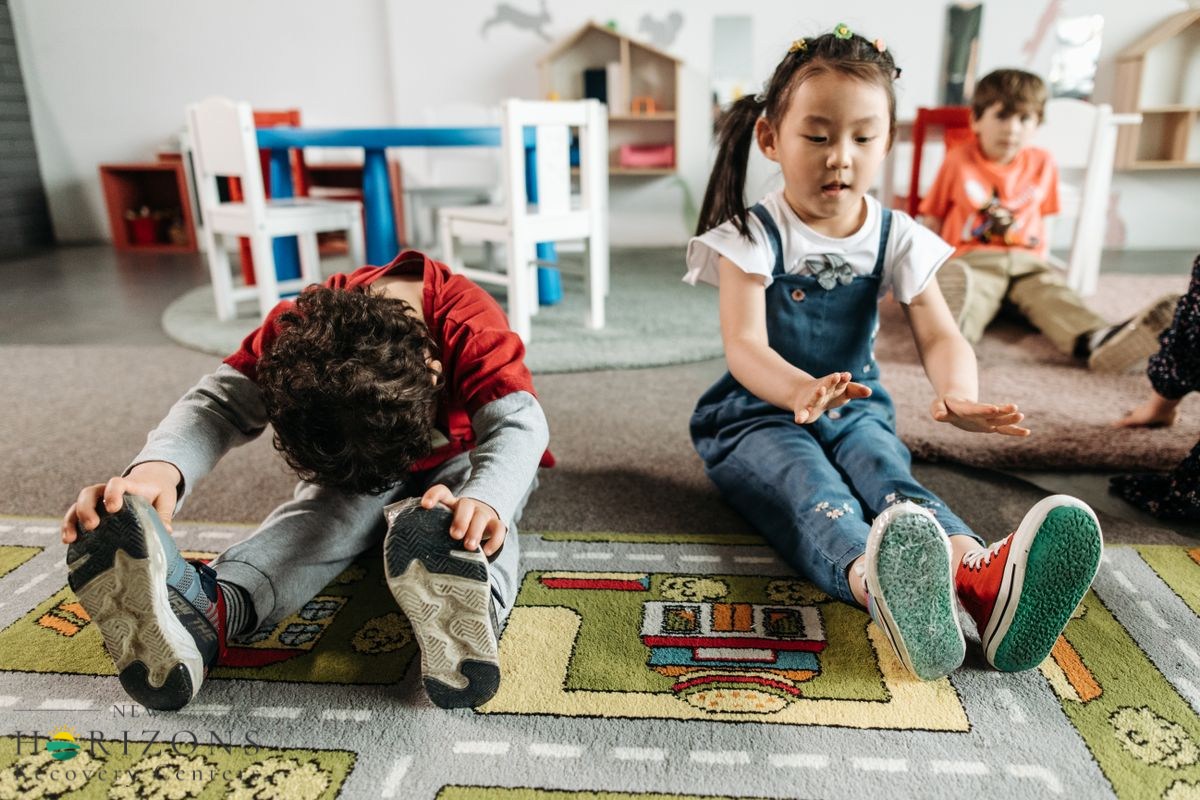
A Floortime session typically takes place in a calm, safe, and play friendly space. This could be a therapy room, a living room, or another familiar environment where the child feels comfortable. Studies shared by early childhood education organizations highlight that children engage more deeply when they feel emotionally and physically secure.
The room usually contains simple toys that encourage interaction rather than distraction. These may include pretend play items, blocks, sensory toys, or movement based tools.
Key environmental features often include:
- Minimal noise and visual clutter
- Open floor space for movement
- Toys that support imagination and shared play
- Seating options for adults to stay at the child’s level
This setup supports a play based therapy session where the child can take the lead without feeling overwhelmed.
The Opening Minutes and Following the Child’s Lead
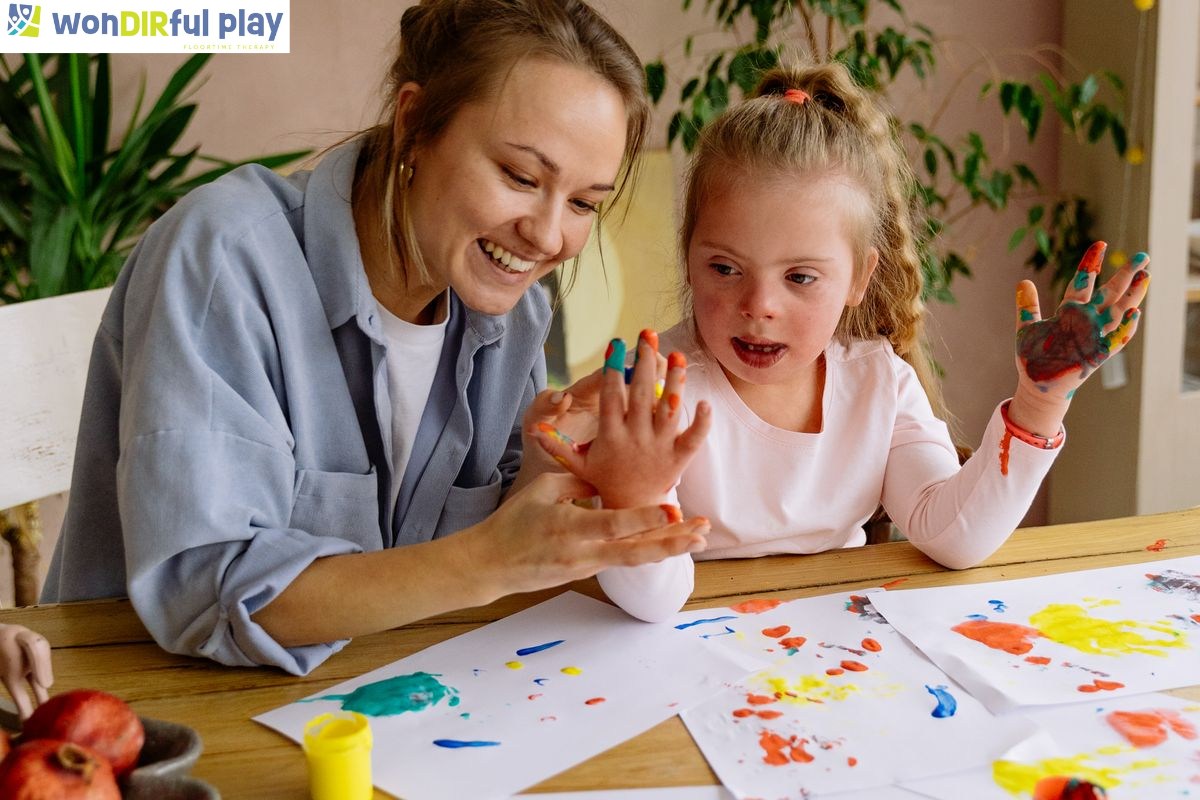
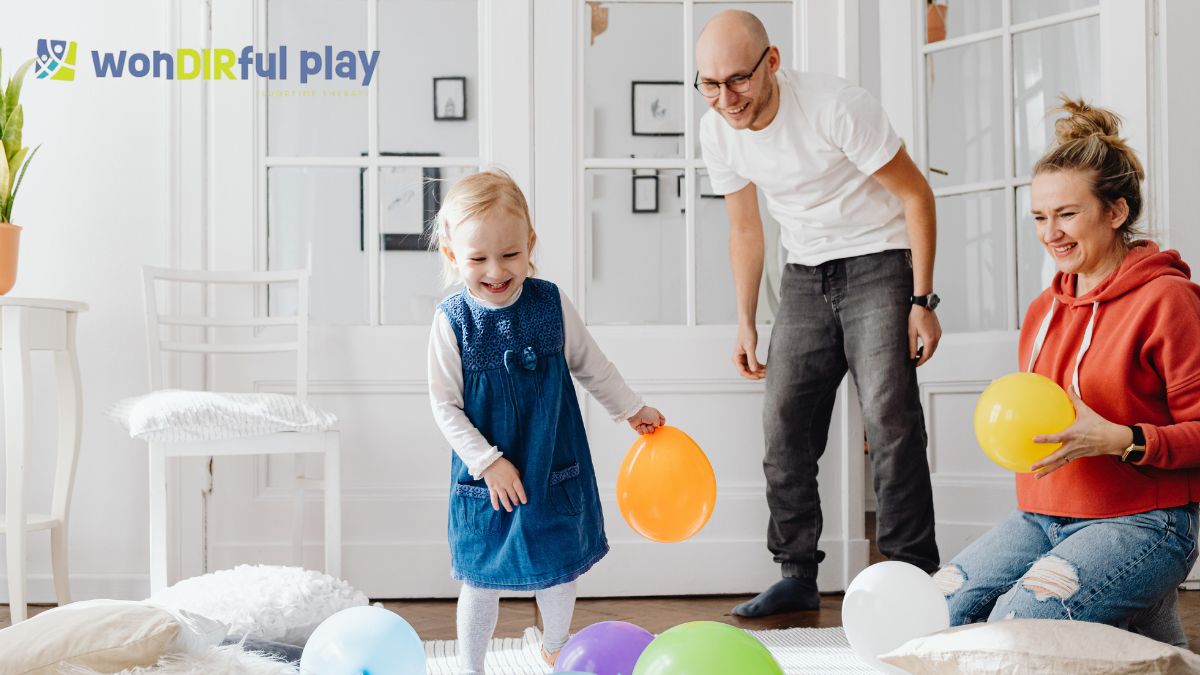
The session begins by observing what the child naturally chooses to do. This is a core part of the child led therapy approach. Instead of directing the child, the adult joins the child's activity with interest and respect.
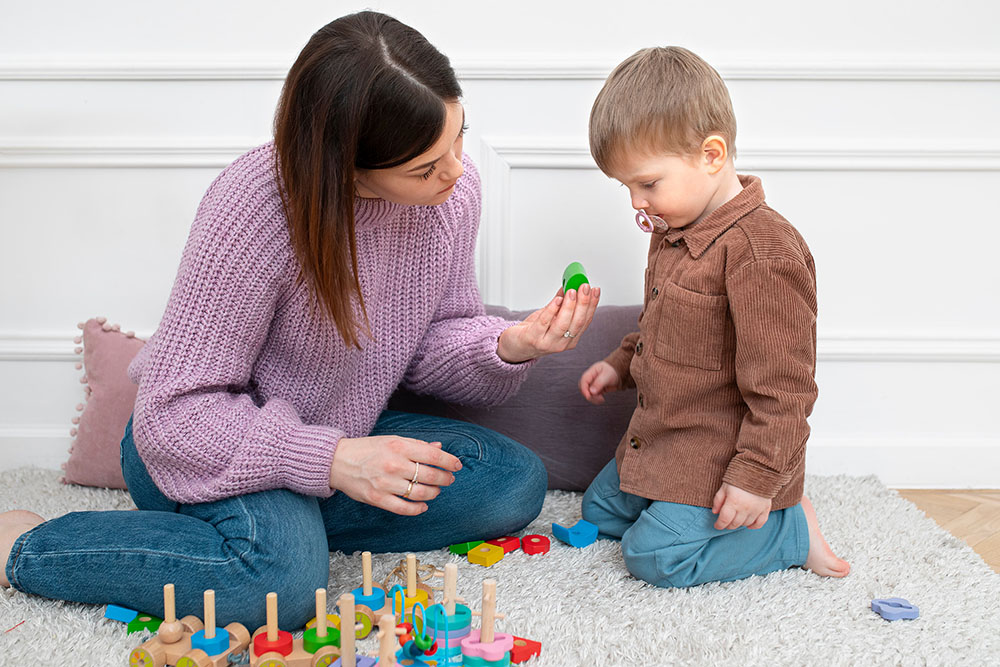
For example, if a child starts lining up cars, the therapist or parent might sit nearby and gently comment or imitate, creating opportunities for connection. This moment answers a key question many parents ask about what happens in Floortime therapy.
During this phase, the adult focuses on:
- Watching the child’s cues
- Matching their energy and pace
- Showing genuine interest without taking control
This approach is supported by research from developmental psychology programs at major universities, showing that shared attention builds the foundation for communication and emotional regulation.
Building Engagement Through Emotional Connection
Once the child feels seen and understood, the therapist works to deepen engagement. This might involve playful obstacles, emotional expressions, or gentle challenges that invite interaction.
For instance, the adult may place a toy slightly out of reach and wait for the child to signal for help. This encourages purposeful communication without pressure. Emotional connection is central to every developmental play therapy session.
According to child development research published by nonprofit institutes, emotional engagement activates brain systems involved in learning and social growth. Parents often notice that sessions feel more like meaningful play than therapy. This is intentional and essential.
The Role of the Therapist During Active Play
-ink.jpeg)
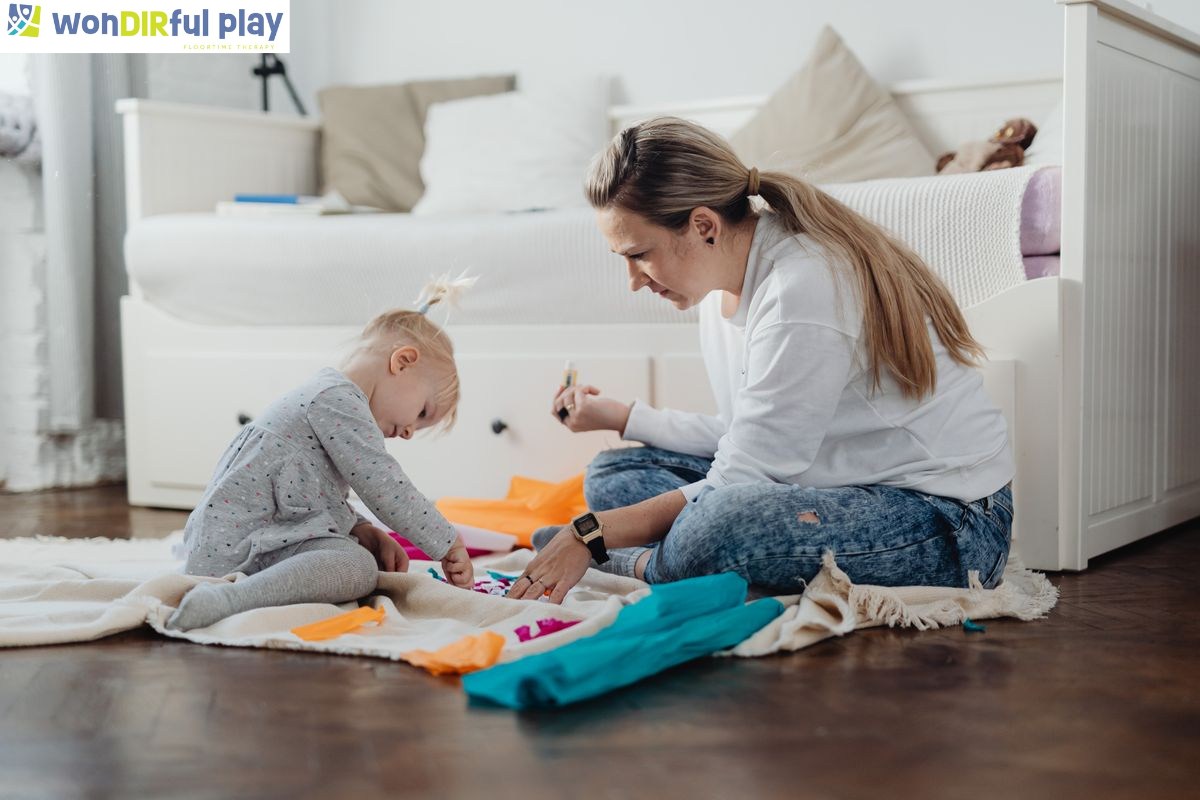
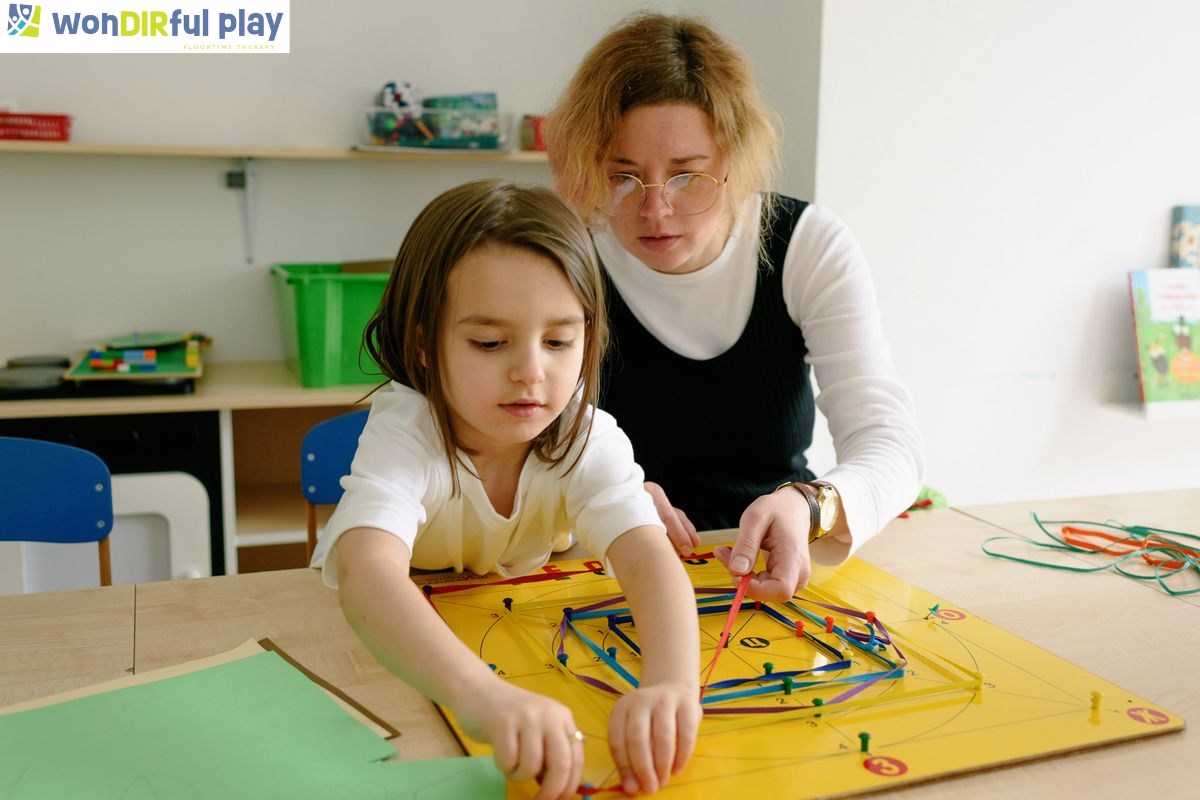
The therapist acts as a guide rather than a director. They carefully balance joining the play with expanding it in ways that support development. This may include introducing new ideas, modeling emotional language, or encouraging back and forth interaction.
Throughout the session, the therapist tracks progress across developmental capacities, adjusting their approach moment by moment. This dynamic process defines the floor-time session structure.
Examples of therapist strategies include:
- Expanding pretend play scenarios
- Encouraging problem solving during play
- Supporting regulation during moments of frustration
Each interaction is purposeful but remains grounded in play and connection.
How Parents Are Actively Involved
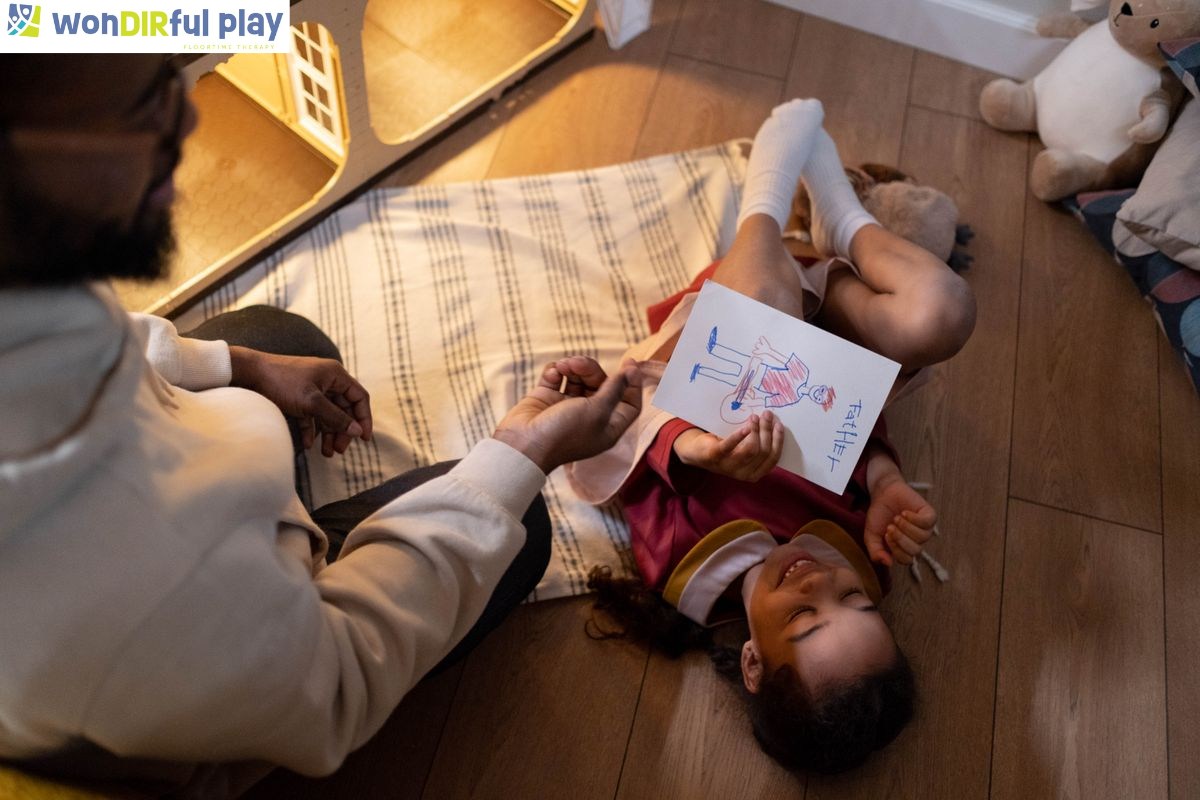
A defining feature of Floortime is parent participation. Parent guided floortime empowers caregivers to become confident partners in their child's development. During sessions, parents may observe, join the play, or practice specific interaction strategies with guidance. Research from early intervention programs funded by public health organizations shows that parent involvement significantly improves long term outcomes.
Parents learn how to:
- Follow their child’s emotional cues
- Create playful challenges at home
- Support regulation during daily routines
This hands-on learning makes the therapy relevant beyond the session itself.
Regulation and Emotional Support Moments
Not every moment of a Floortime session is smooth. Children may become dysregulated, frustrated, or withdrawn. These moments are viewed as opportunities rather than setbacks.
The therapist supports the child in returning to a calm, engaged state through soothing presence, validation, and sensory strategies.
This focus on regulation aligns with findings from mental health research organizations emphasizing emotional safety as a prerequisite for learning. Parents often find this aspect reassuring, as it models supportive responses they can use at home.
Expanding Communication and Social Interaction
As the session progresses, the therapist looks for opportunities to expand communication. This might include gestures, sounds, words, or symbolic play, depending on the child's current abilities.
A floortime therapy example could involve a child using a toy animal to express feelings or needs. The adult mirrors and gently adds language, creating a natural learning moment.
Research from speech and language development organizations supports this interactive approach, showing that communication grows best within emotionally meaningful exchanges.
Problem Solving and Imaginative Play
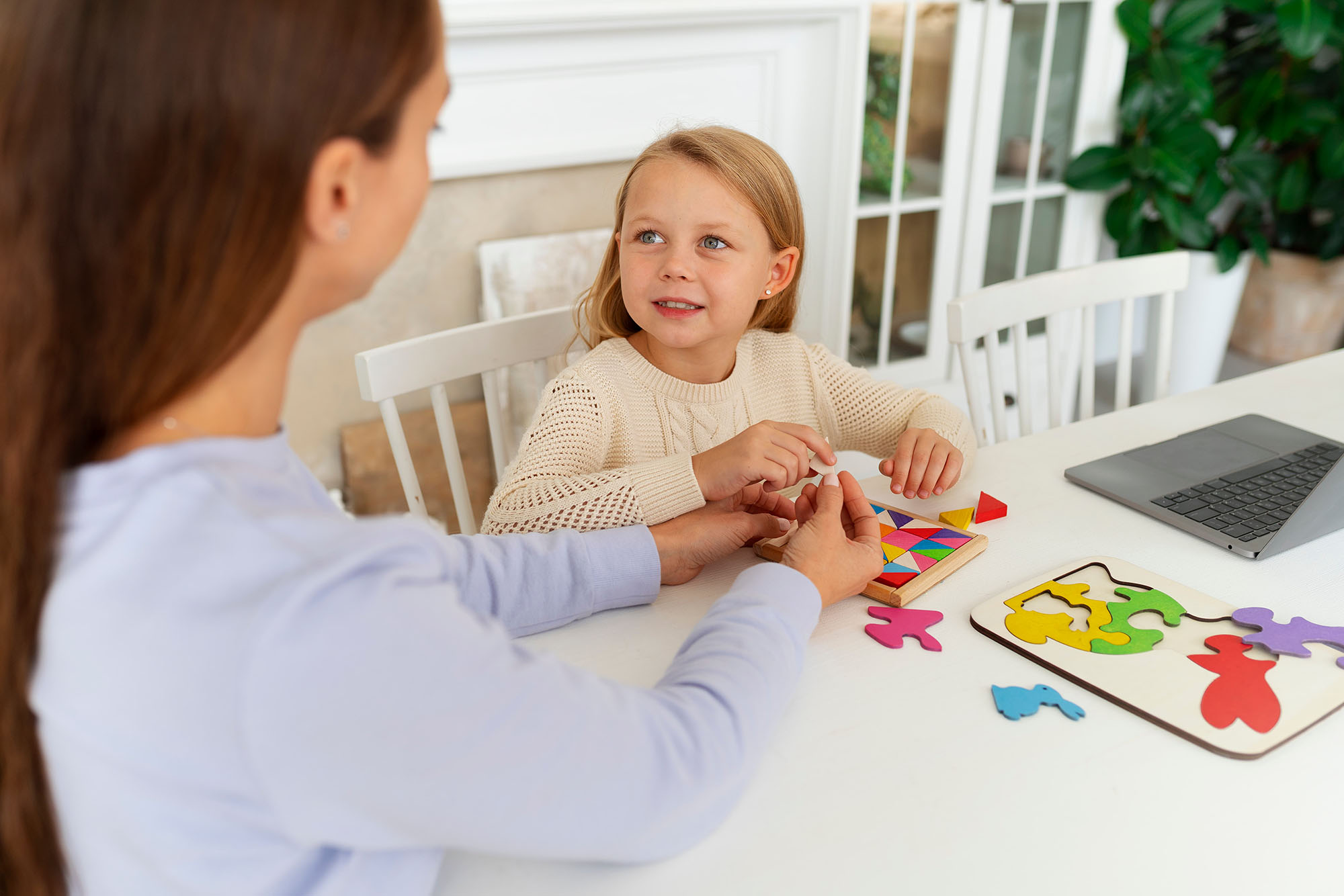
Problem solving emerges naturally during play. Whether it is figuring out how to build a tower or resolving a pretend conflict, these moments support cognitive and social development. Imaginative play also becomes richer over time. The therapist may introduce themes or characters that encourage flexibility and creativity.
These experiences strengthen skills that extend into school readiness and peer relationships, as supported by educational research institutions.
How Progress Is Observed and Adjusted
Progress in Floortime is measured through changes in engagement, communication, flexibility, and emotional regulation. The therapist continually reflects on what is working and what needs adjustment.
Rather than focusing on isolated skills, the dir floortime treatment process looks at overall developmental movement. This holistic view is supported by research from child development advocacy organizations.
Parents are often updated verbally at the end of the session, with practical insights they can apply immediately.
Wrapping Up the Session Thoughtfully
The end of a session is handled with care to support smooth transitions. The therapist may signal the ending through routines or verbal cues, helping the child prepare emotionally.
Parents and therapists briefly review highlights, challenges, and next steps. This reinforces learning and maintains continuity between sessions. Ending on a positive, regulated note supports emotional security and readiness for future sessions.
What Sessions Look Like Over Time
Over weeks and months, Floortime sessions evolve as the child grows. Play becomes more complex, communication more intentional, and regulation more consistent.
Families seeking floortime therapy new jersey or similar services often notice that progress shows up first in everyday moments, such as improved play at home or smoother transitions. Consistency and collaboration remain key throughout this journey.
Common Misconceptions About Floortime Sessions
-ink.jpeg)
Some parents worry that Floortime lacks structure. In reality, the floor-time session structure is intentional and responsive rather than rigid.
Others fear they need special skills to participate. Floortime meets parents where they are, focusing on authentic connection rather than perfection.
Understanding these points can ease anxiety and support confident engagement.
FAQs
Is a DIR Floortime therapy session structured or completely free play?
A dir floortime therapy session follows a thoughtful structure guided by developmental goals, while allowing the child to lead play. This balance supports engagement, learning, and emotional growth naturally.
How long does it take to see progress with Floortime?
Progress varies by child, but many families notice changes in engagement and regulation within weeks. Research from child development organizations highlights consistency and parent involvement as key factors.
Can parents really make a difference during sessions?
Yes. Parent guided floortime is central to this approach. Studies from early intervention programs show that parent participation improves skill generalization and long term developmental outcomes.
See How Meaningful Progress Unfolds Through Play
Understanding what happens in floortime therapy can help families feel more confident about starting services. A structured dir floortime therapy session is not random play but a thoughtful process designed around your child’s developmental needs. Families looking for floortime therapy in New Jersey can benefit from working with a team that explains each step clearly and welcomes parent involvement.
At WonDIRfulPlay, sessions are built to feel natural while still supporting communication, engagement, and emotional growth. Parents are guided through the floor-time session structure so they know how to support learning at home and recognize progress over time.
If you are exploring a child centered, relationship based therapy option, reach out today to learn how a developmental play therapy session can support your child from the first moment to the final calming close.
Recent articles


.jpg)
.jpg)



.jpg)


.jpg)






.jpg)




-ink.jpeg)
-ink.jpeg)
-ink.jpeg)
-ink.jpeg)
-ink.jpeg)
-ink.jpeg)
-ink.jpeg)
-ink.jpeg)
-ink.jpeg)


.jpeg)

.jpg)
-ink.jpeg)

.jpg)

-ink.jpeg)

-ink.jpeg)
-ink.jpeg)
.jpg)
.jpg)
-ink.jpeg)
-ink.jpeg)
-ink.jpeg)
.jpg)

-ink.jpeg)
-ink.jpeg)
-ink.jpeg)
-ink.jpeg)
-ink.jpeg)
-ink.jpg)
-ink.jpeg)
-ink.jpeg)
-ink.jpeg)
-ink.jpeg)
.jpg)
.jpg)
-ink.jpeg)
-ink.jpeg)
.jpg)
-ink.jpeg)
-ink.jpeg)
-ink.jpeg)
-ink.jpeg)
-ink.jpeg)
-ink.jpeg)
-ink.jpeg)
-ink.jpeg)
-ink.jpeg)
-ink.jpeg)
-ink.jpeg)
-ink.jpeg)
-ink.jpeg)
-ink.jpeg)


With WonDIRfulPlay, growth feels effortless and joyful. Our DIR floortime therapy services in Lakewood, NJ focus on building emotional connections, communication, and social confidence while addressing sensory and behavioral challenges.
For compliance matters, please call 732-523-9070 or email compllance@wondirfulplay.com

