
Integrating floortime occupational therapy: A Holistic Approach to Child Development
December 30, 2025
Integrating floortime occupational therapy supports emotional, sensory, and daily life development through play based connection and meaningful activities.
-ink.jpeg)
Key points:
- Integrating floortime occupational therapy supports emotional regulation, social engagement, and sensory processing by blending child‑led play with meaningful daily activities.
- This approach meets children at their developmental level, builds on strengths, and makes everyday routines therapeutic and supportive of lifelong skills.
- Parents and caregivers are central, creating continuity between therapy and home routines and strengthening the child’s confidence and participation.
Parents and caregivers seeking effective therapy options often encounter approaches that address skills separately, like sensory regulation, social engagement, or daily routines. Integrating floortime occupational therapy offers a unified, holistic option that supports children's development across domains with emotional warmth and functional purpose. This method merges the Developmental, Individual‑differences, Relationship‑based (DIR) model's focus on connection and emotional foundations with occupational therapy's emphasis on participation in meaningful life activities.
The result is a child‑centered, playful, and responsive process that respects individuality, encourages exploration, and nurtures growth in natural contexts. This article explains what happens when this therapeutic approach is integrated, how it helps in everyday life, what research suggests, and how caregivers can engage in the process with understanding and confidence.
Understanding floortime occupational therapy
-ink.jpeg)
What Floortime Means in Therapy
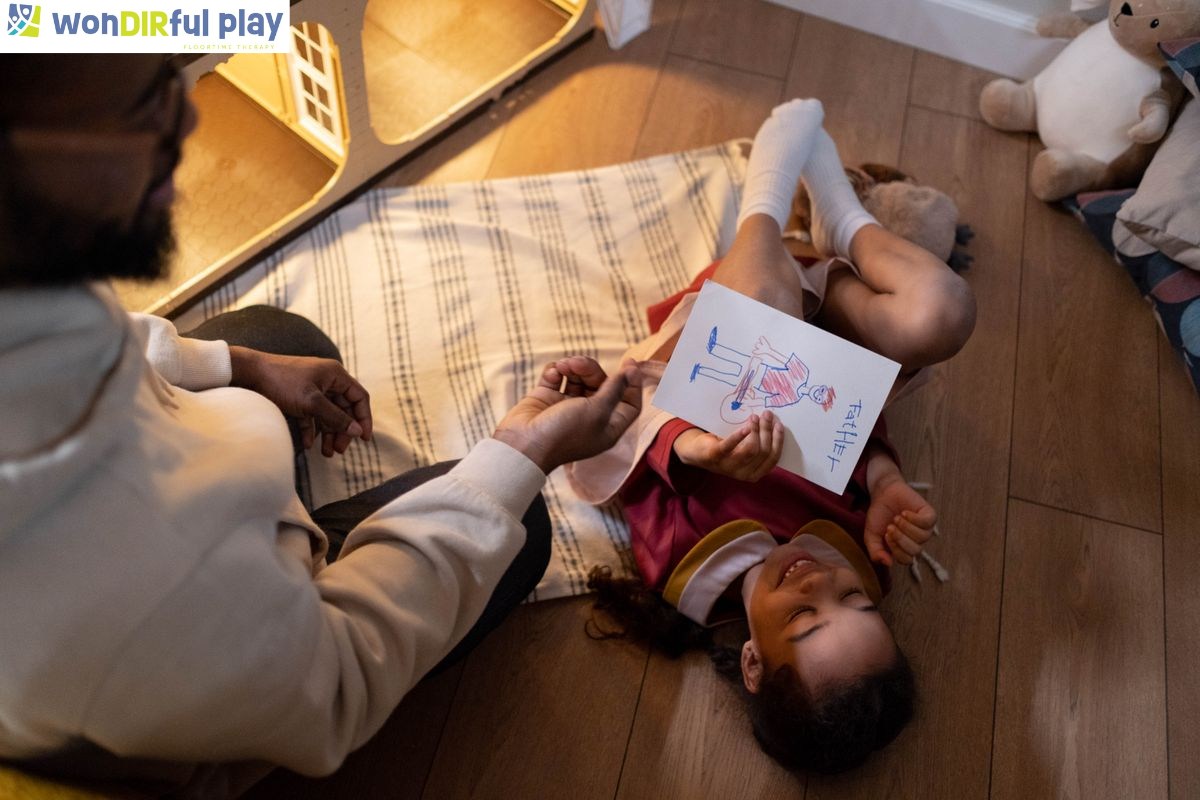
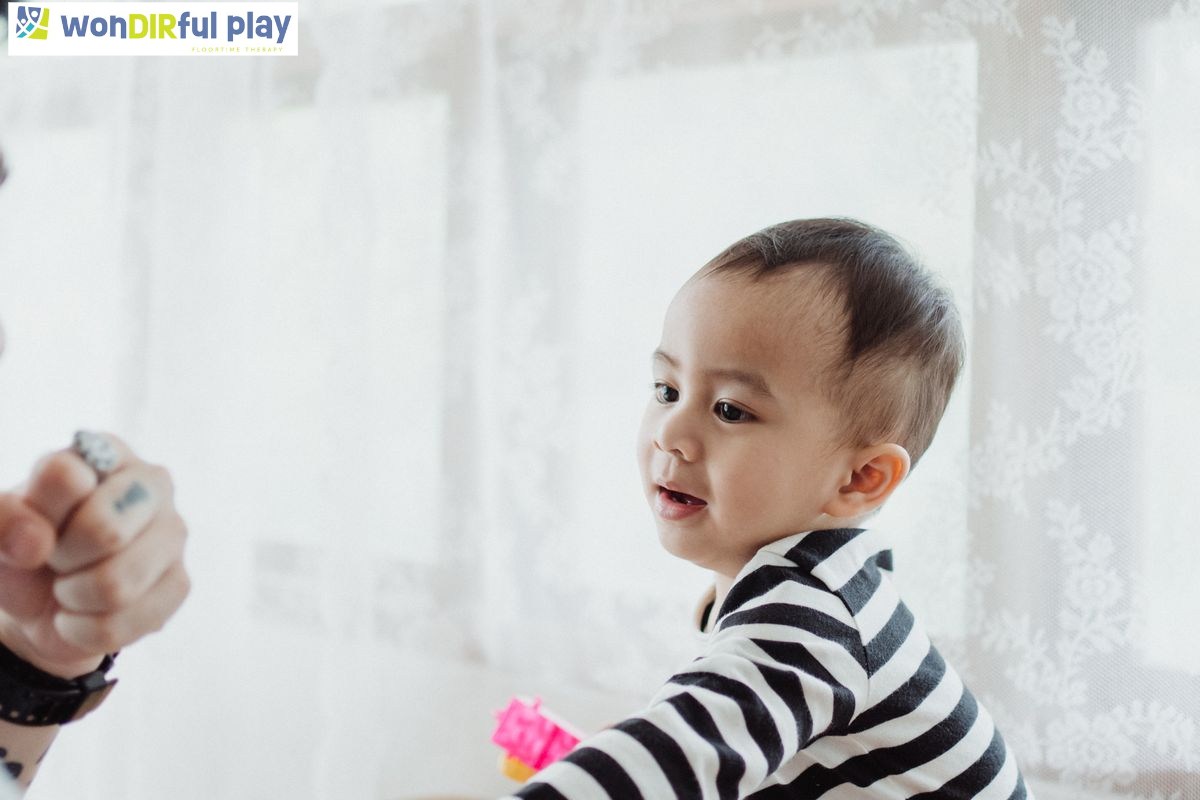
Floortime begins with following the child's lead and building on interactions in play or everyday activities. It prioritizes relationship, emotion, and engagement as the foundation for learning across social, sensory, motor, and communication skills. DIR focuses on emotional interaction as the base of development, considering functional emotional capacities such as regulation, engagement, and reciprocal communication.
When combined with occupational therapy's focus on meaningful actions, this approach supports participation in life, not just isolated skills. DIR/Floortime's guided play can occur anywhere, not just on the floor, as long as the child's interests and engagement drive the interaction.
Core Principles of the Integrated Approach
Blending DIR/Floortime with occupational therapy means drawing on both relationships‑focused play and purposeful activity. Key principles include:
- Meeting the child where they are developmentally, respecting individual differences.
- Encouraging authentic engagement and co‑regulated emotional exchange.
- Using meaningful play and daily routines as vehicles for skill building.
- Supporting sensory regulation within enjoyable activities.
This framework supports the whole child, not just isolated targets, and helps children generalize skills across contexts.
Why Integration Enhances Development
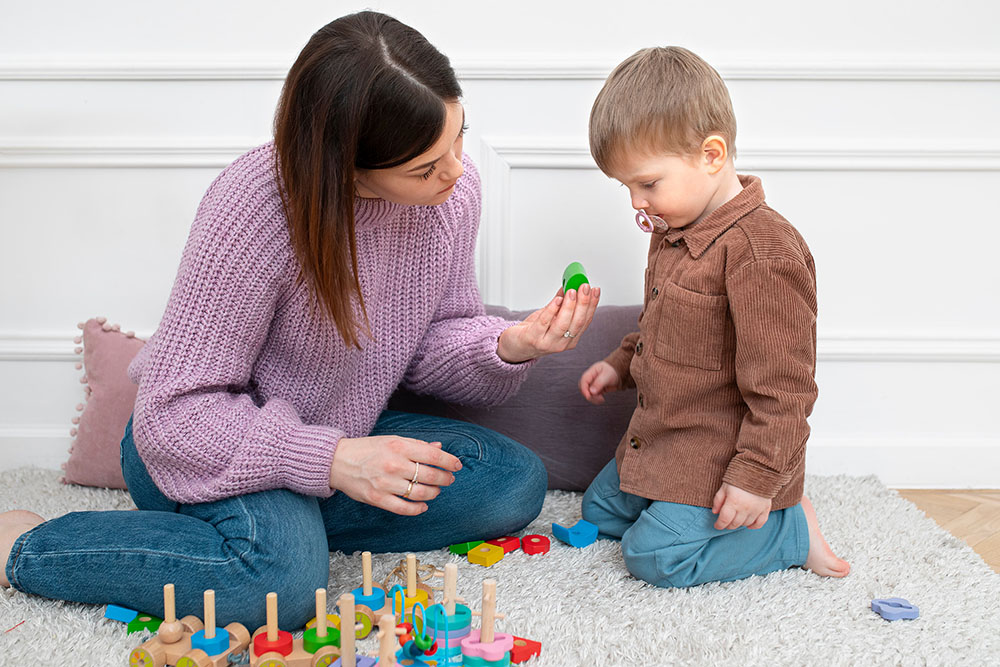
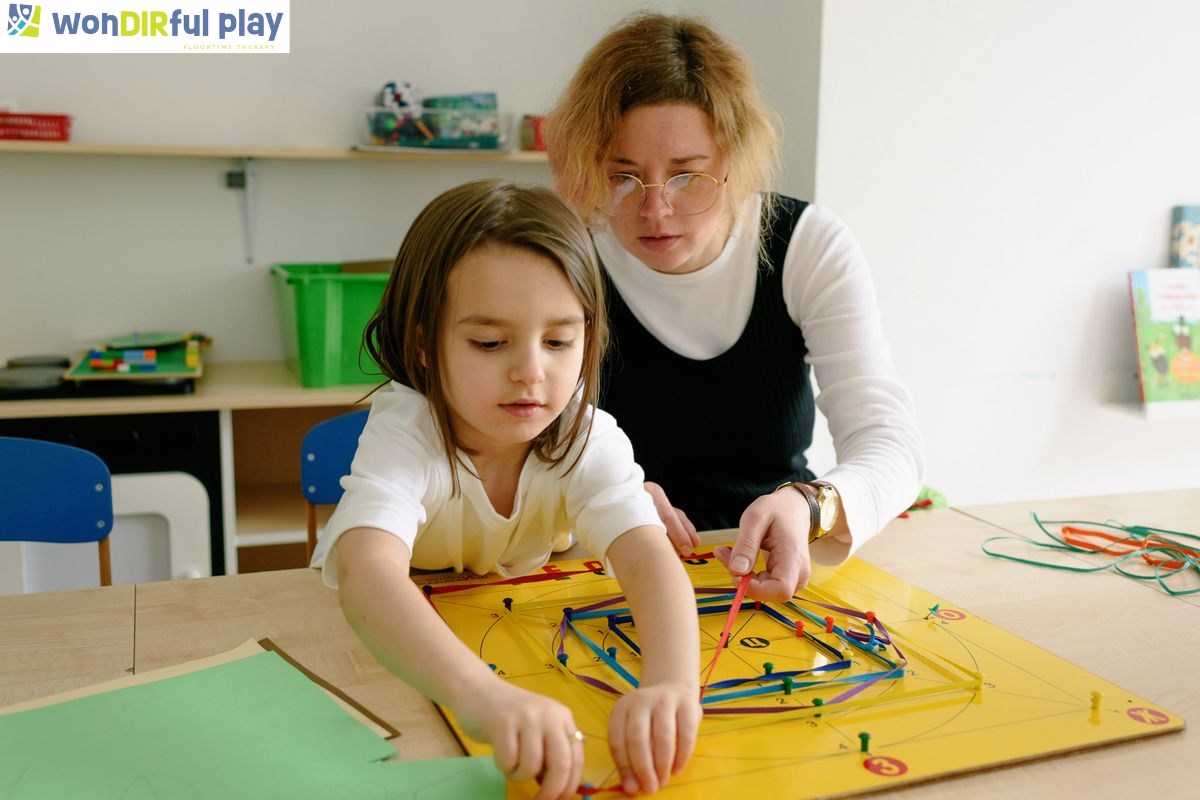
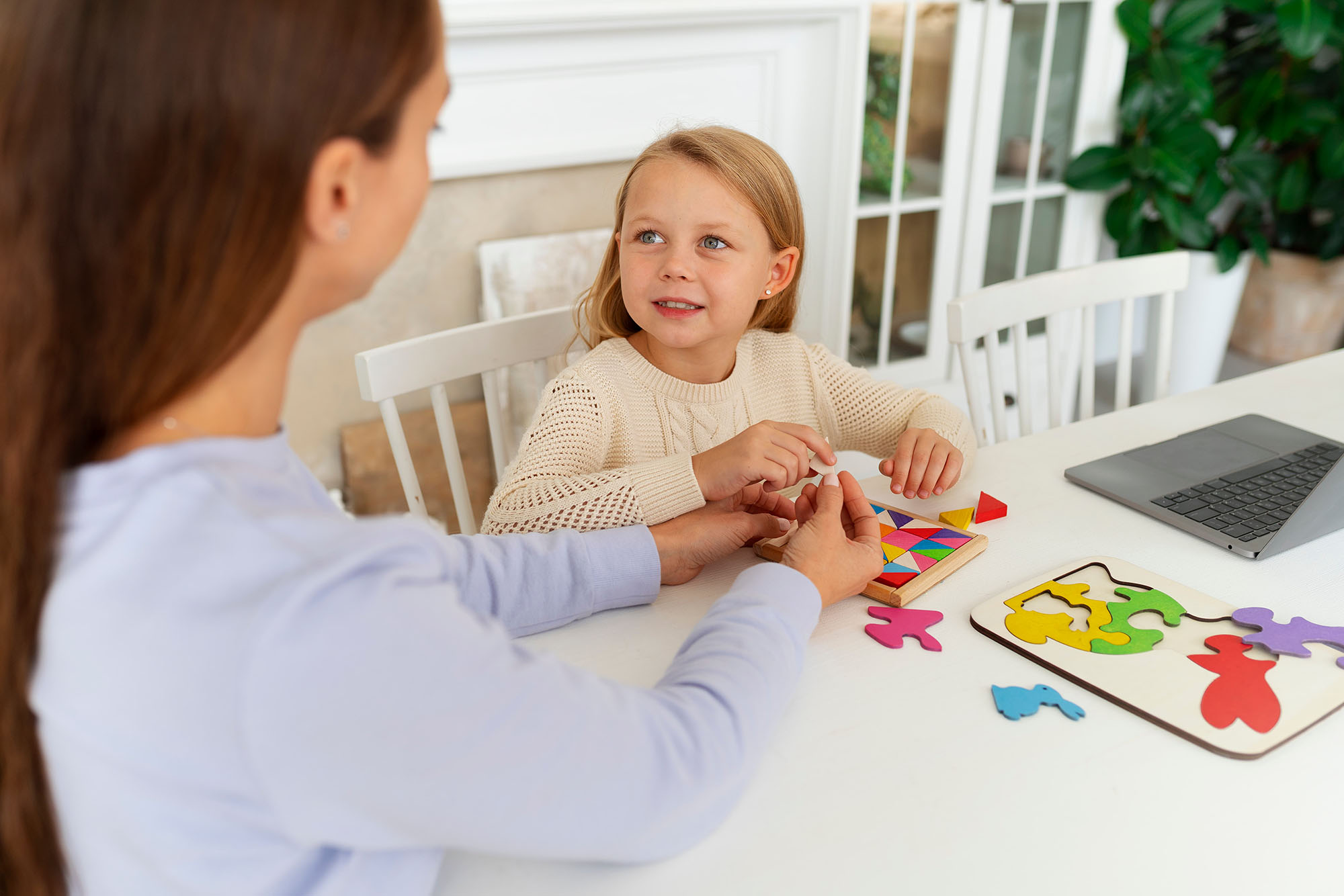
Occupational therapy alone often targets tasks like feeding, dressing, handwriting, or sensory processing. DIR/Floortime enhances these goals by infusing them with relational engagement, which helps emotional regulation and motivation. For example, rather than practicing fine motor tasks in isolation, a therapist may join a child in a shared game that naturally requires similar movements, making the experience meaningful and emotionally rich.
Benefits for Emotional Regulation and Engagement
Role of Emotional Foundations
Emotional regulation underpins many developmental capacities, and DIR/Floortime places this at the heart of therapeutic work. Children learn to manage arousal, attention, and expressive communication within the safety of play and connection, which supports later participation in daily routines. Occupational therapy often works on regulation through sensory strategies, and combining it with DIR/Floortime strengthens a child’s ability to self‑soothe and remain engaged.
Supporting Engagement Through Play and Daily Tasks
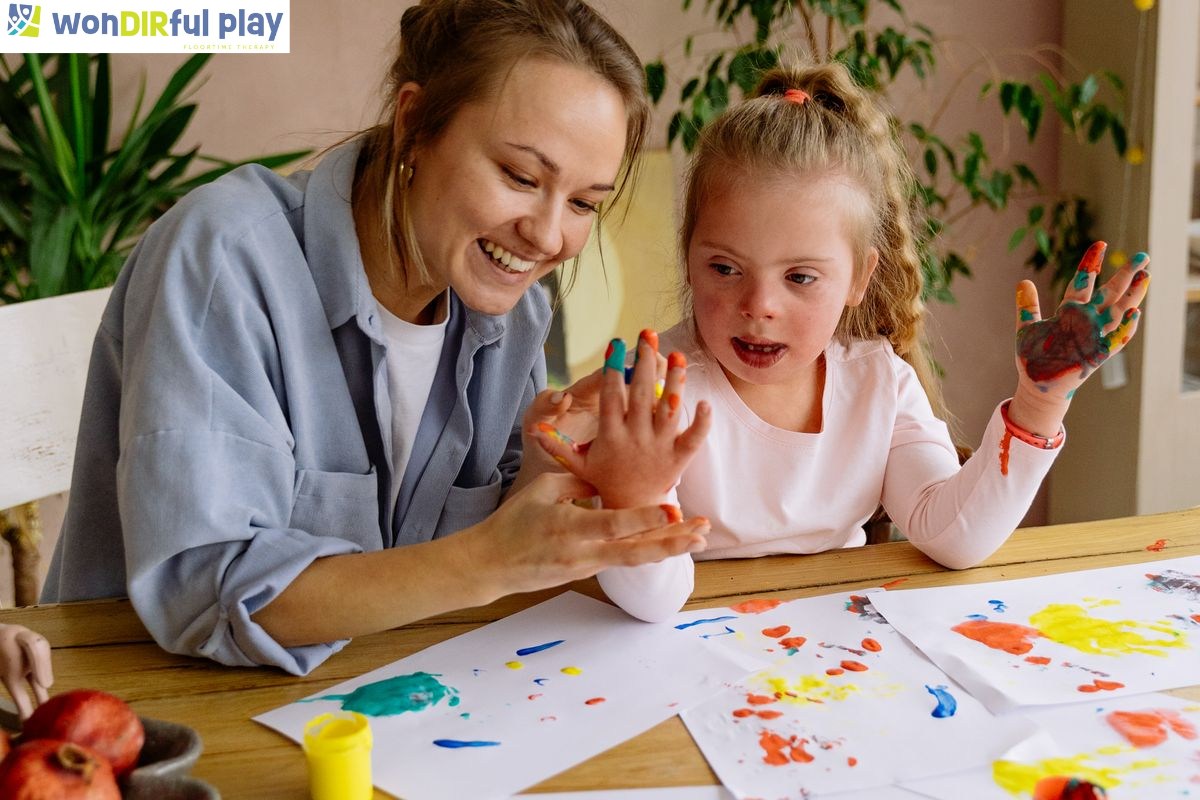
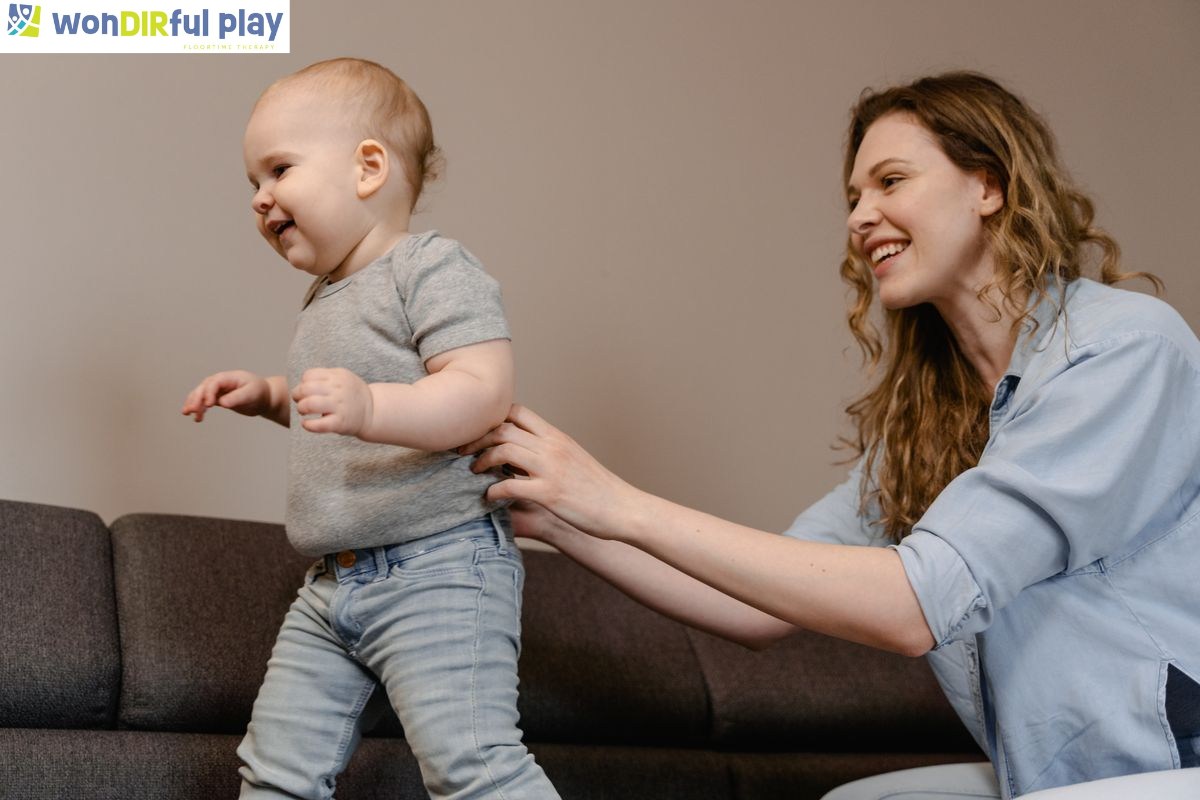
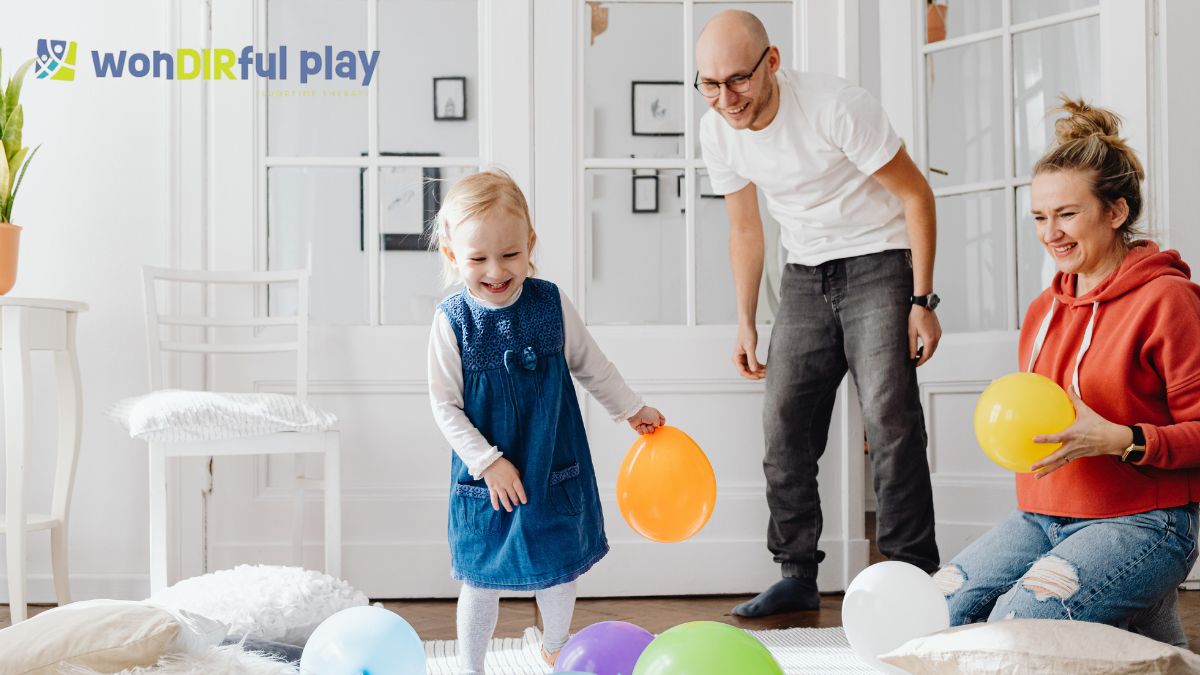
Children are more willing to participate in routines and tasks when they feel understood and connected. In an integrated session, a therapist might join a child's activity to foster shared attention and turn talking while simultaneously embedding sensory or motor challenges into the play. This makes regulation less about compliance and more about choice and enjoyment.
Practical Examples of Emotional and Engagement Support
- Turning dressing tasks into playful routines that encourage choice and predictability.
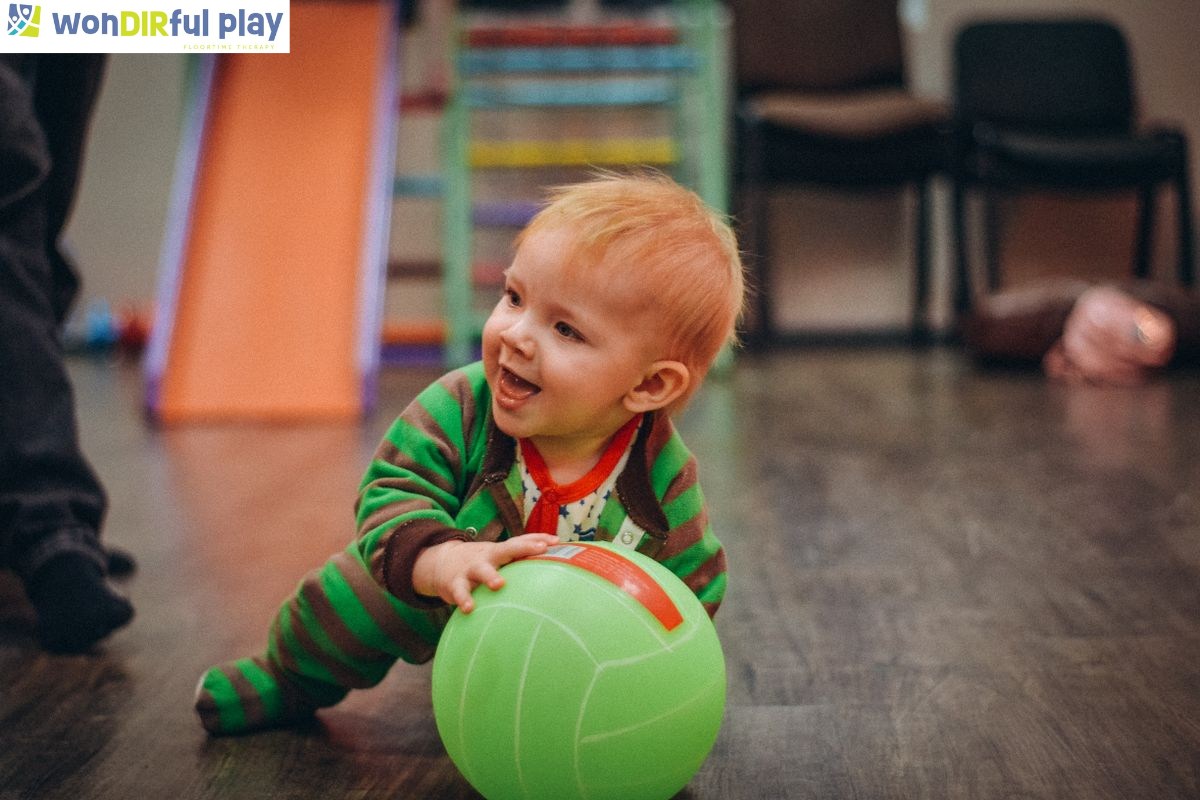
- Using games to practice balance or coordination while sharing laughter and connection.
- Incorporating songs or storytelling that invite back‑and‑forth interaction and foster verbal expression.
Sensory Processing and floortime occupational therapy
Understanding Sensory Needs
Many children have unique sensory preferences and thresholds that influence how they respond to daily experiences. Occupational therapy includes sensory integration strategies that help children interpret and use sensory information more effectively. Combined with DIR/Floortime’s emphasis on following the child’s lead, these sensory strategies become more personally meaningful.
Examples of Sensory Integration in Playful Contexts
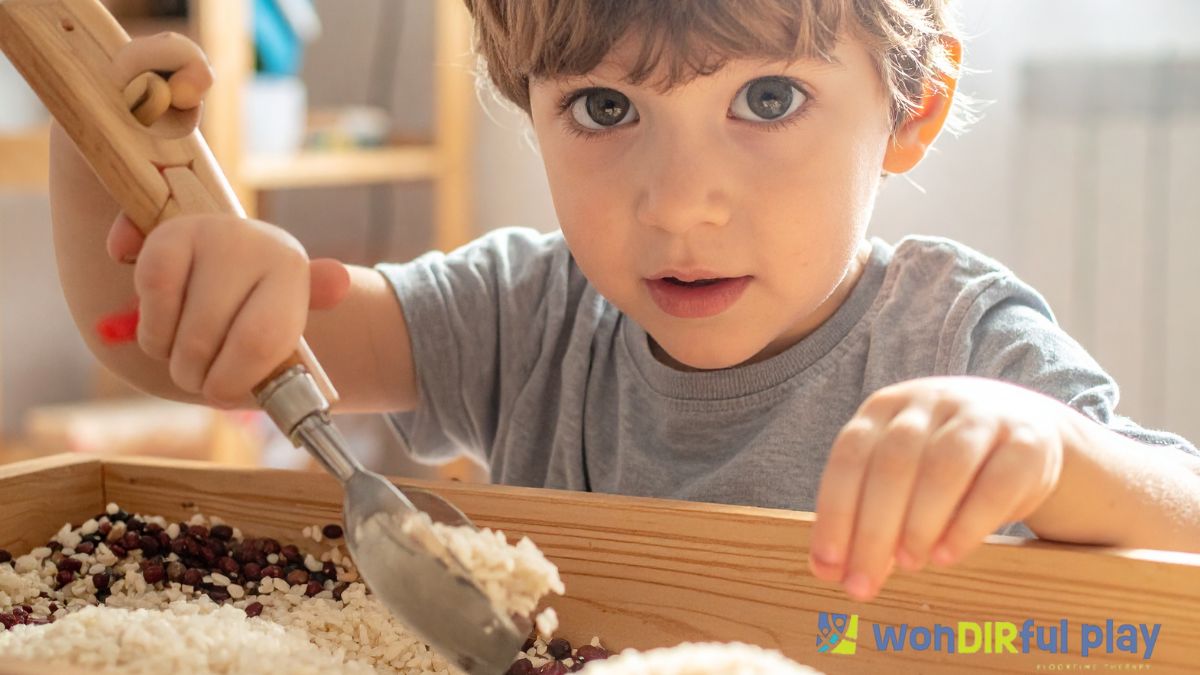
- Using textured materials during a favored activity to support tactile processing.
- Incorporating movement breaks during play to support proprioceptive and vestibular regulation.
- Adjusting sound, light, or other environmental inputs based on the child’s responses to create comfortable engagement.
This integrated use supports progress toward regulation goals while preserving the joy and motivation that comes from child‑centered interaction.
Supporting Daily Life Skills Through Meaningful Activities
-ink.jpeg)
Embedding Goals in Everyday Routines
One strength of integrating floor-time occupational therapy is that goals are practiced in activities that matter to the child, like mealtime, dressing, or playtime. When skills are embedded in routines, children see purpose in participation, and families notice progress in natural settings.
Examples of Routine‑Based Therapeutic Opportunities
- Mealtime interactions that support both self‑feeding and turn taking.
- Bath or bedtime routines that build sensory tolerance and predictable sequencing.
- Community outings that support social interaction, attention, and regulation in real‑life contexts.
By making routines therapeutic, families can continue growth between sessions.
Research and Evidence Base
What the Research Indicates
DIR/Floortime is an emerging evidence base with growing interest in developmental outcomes. A systematic review identified studies suggesting gains in socio‑emotional development when the model is applied, though more robust research is needed to fully quantify effects.
Participation and Family Involvement
Research also emphasizes the importance of caregiver involvement in DIR/Floortime, making families essential partners in therapy. When caregivers participate in shared play and routines, their confidence increases and the child’s progress extends beyond therapy sessions.
How Caregivers Can Support Integration
Understanding the Child’s Interests
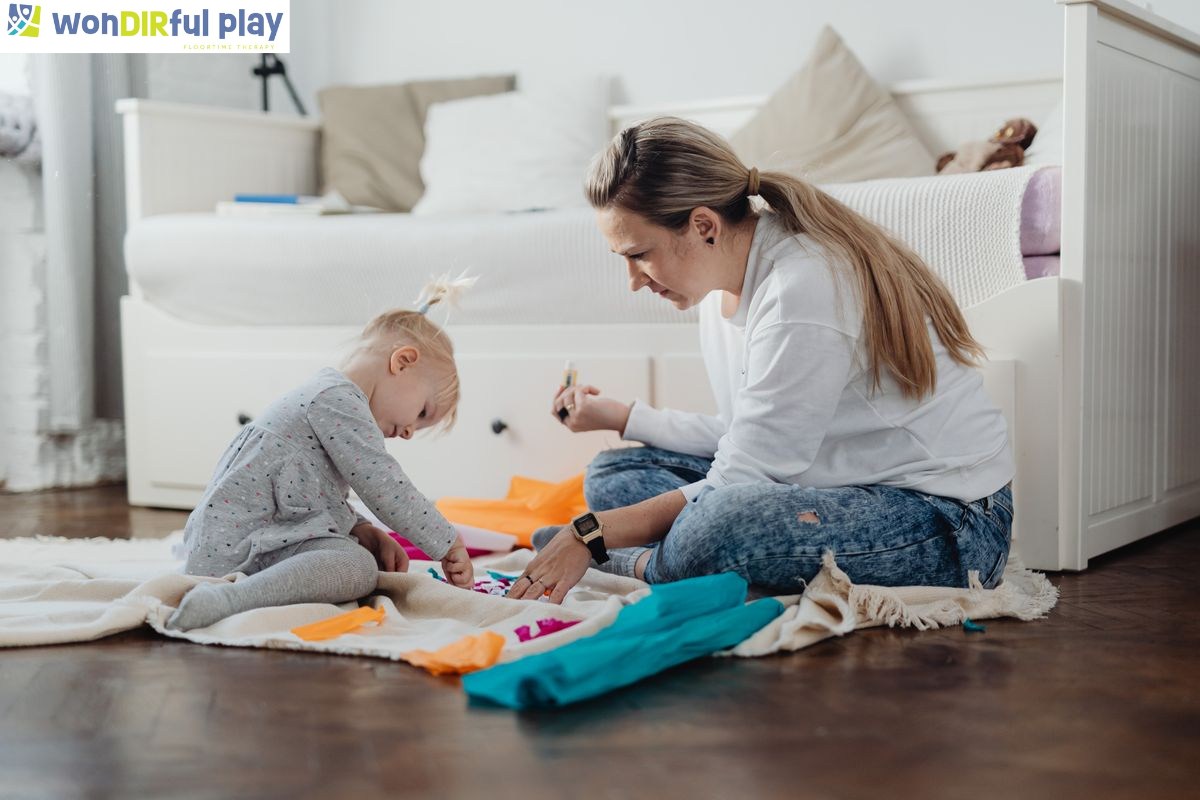
Caregivers first observe what delights and motivates the child. This creates opportunities to enter the child’s world and build shared experiences that naturally support development.
Guiding Engagement Without Pressure
Instead of directing every step, caregivers learn to respond to the child's cues, building circles of communication through shared activities that encourage back‑and‑forth interaction.
Embedding Therapeutic Moments in Daily Life
Families can turn routine moments into connection opportunities by:
- Narrating actions during dressing or mealtime.
- Following the child’s lead in play, even briefly, to build shared attention.
- Using sensory strategies that match the child's preferences during enjoyable tasks.
Frequently caregivers find that these small shifts lead to deeper connection and motivation.
Addressing Common Challenges
Patience and Pacing
Growth through interaction and meaningful routines requires patience. Progress may be gradual and not always linear, but consistent, responsive engagement lays a foundation for lasting development.
Balancing Structure and Flexibility
Caregivers and therapists work together to balance predictable structure in routines with flexibility to adapt based on the child’s responses. This cultivates both confidence and curiosity in the child.
Promoting Social and Communication Skills
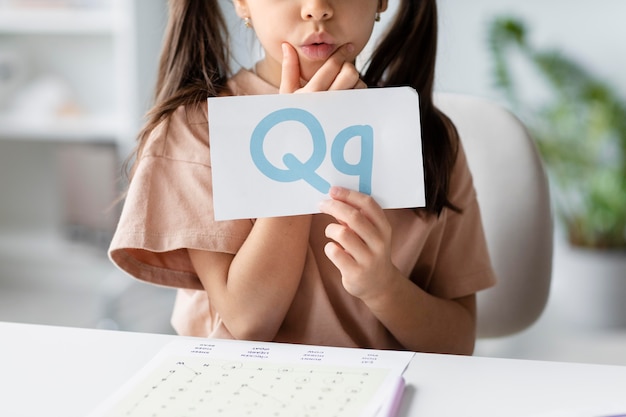
Floortime occupational therapy supports language and social development by creating shared moments where communication arises naturally. Rather than drilling specific skills, shared attention and playful exchanges promote authentic interaction and spontaneous expression.
Practical Strategies for Social Interaction
-ink.jpeg)
- Encouraging gestures, eye contact, or vocalizations through shared turn taking.
- Expanding play themes to invite problem solving with others.
- Using daily routines as a social practice ground.
For families looking to implement these strategies at home, working with parents can make a significant difference in their child's progress. Many caregivers also benefit from understanding play-based interactions and how to create meaningful opportunities for growth throughout the day.
Additional support through parent involvement in therapy sessions helps families build confidence and extend therapeutic benefits into everyday life, while understanding developmental progression helps caregivers recognize and celebrate each milestone along the way.
FAQs
What age groups benefit most from this integrated approach
Children of all ages who have developmental, sensory, or communication challenges can benefit because the approach is tailored to the individual, not the age.
How long does it typically take to see progress with this therapy
Progress varies by child and context, but meaningful engagement in routines often shows changes in emotional regulation and participation within weeks to months of consistent application.
Can caregivers use this method at home
Yes, caregivers can use this approach by following the child’s lead, building shared interactions, and embedding sensory and motor supports into daily activities.
Elevate Your Child’s Growth with Floortime Occupational Therapy
Families looking for floor-time occupational therapy at WondirfulPlay find a seamless blend of play, communication, and sensory-motor support. Our approach pairs speech and OT so children practice meaningful communication while building body awareness in real-life routines. Sessions focus on goals that overlap, helping children generalize skills to home, school, and community settings.
We provide clear tracking and practical coaching, so parents see progress in action and understand what to measure in co-treatment visits.
Partner with our team to design a therapy plan that supports your child’s strengths, encourages joyful engagement, and fits naturally into your family’s daily life. Take the first step toward integrated care that truly moves the needle today.
Recent articles


.jpg)
.jpg)



.jpg)


.jpg)






.jpg)

-ink.jpeg)
-ink.jpeg)
-ink.jpeg)
-ink.jpeg)
-ink.jpeg)
-ink.jpeg)
-ink.jpeg)
-ink.jpeg)
-ink.jpeg)


.jpeg)

.jpg)
-ink.jpeg)

.jpg)

-ink.jpeg)

-ink.jpeg)
-ink.jpeg)
.jpg)
.jpg)
-ink.jpeg)
-ink.jpeg)
-ink.jpeg)
.jpg)

-ink.jpeg)
-ink.jpeg)
-ink.jpeg)
-ink.jpeg)
-ink.jpeg)
-ink.jpg)
-ink.jpeg)
-ink.jpeg)
-ink.jpeg)
-ink.jpeg)
.jpg)
.jpg)
-ink.jpeg)
-ink.jpeg)
.jpg)
-ink.jpeg)
-ink.jpeg)
-ink.jpeg)
-ink.jpeg)
-ink.jpeg)
-ink.jpeg)
-ink.jpeg)
-ink.jpeg)
-ink.jpeg)
-ink.jpeg)
-ink.jpeg)
-ink.jpeg)
-ink.jpeg)
-ink.jpeg)


With WonDIRfulPlay, growth feels effortless and joyful. Our DIR floortime therapy services in Lakewood, NJ focus on building emotional connections, communication, and social confidence while addressing sensory and behavioral challenges.
For compliance matters, please call 732-523-9070 or email compllance@wondirfulplay.com

