
What Is Theraplay? Theraplay Activities, Techniques, and How It Compares to DIR Floortime
August 20, 2026
Discover what Theraplay is, popular Theraplay activities and techniques, and how this playful therapy compares to DIR Floortime.
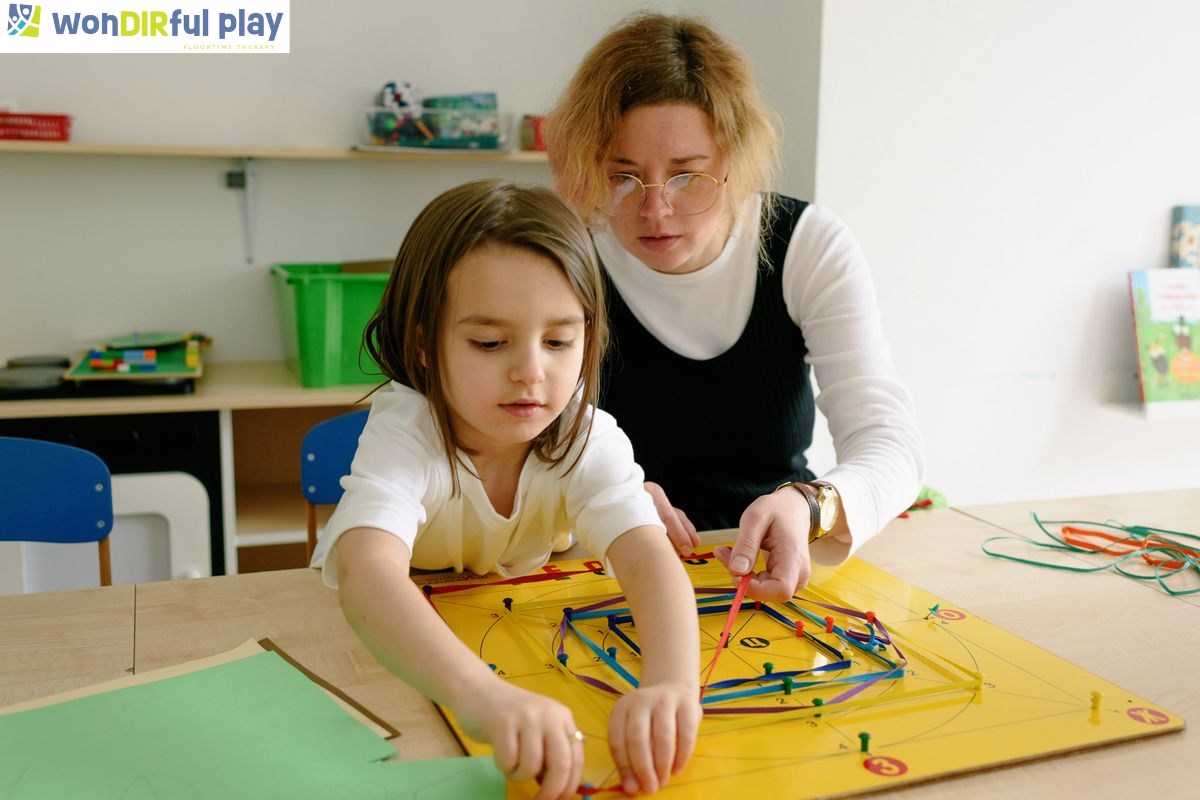
Key points:
- Theraplay activities use short, playful games to build trust, connection, and secure attachment between you and your child.
- Theraplay therapy is a structured approach guided by a trained practitioner, often across twenty to thirty sessions.
- Comparing Theraplay vs. Floortime helps you decide which playful, relationship-based approach best fits your child's needs.
If you have ever wondered how a simple clapping game or a round of peekaboo could support your child's emotional growth, you are close to understanding Theraplay. Theraplay activities are short, structured games built around connection, not correction. They ask you to look at your child, match their energy, and share a moment of real connection through play, rather than teaching a specific skill directly or waiting for a reward chart to work.
This guide breaks down what Theraplay therapy actually involves, the kinds of techniques a practitioner uses session to session, who benefits most from this model, and how a Theraplay vs. Floortime comparison usually plays out for families weighing their options. We will keep things simple and practical, since you are the one who will be trying these ideas at home between appointments.
What Is Theraplay Therapy?
This short-term, structured approach is built on one core belief. A strong, playful connection between a child and caregiver supports healthy emotional development more reliably than lessons or lectures ever could. A trained Theraplay practitioner guides you and your child through games that are playful, personal, and physically engaging, always matched carefully to your child's age, temperament, and comfort level with touch and closeness.
The History Behind Theraplay
Theraplay grew out of Head Start programs in Chicago in the late 1960s, when staff noticed that playful, attuned interaction helped withdrawn children open up faster than more formal teaching methods ever managed.
Over fifty years later, it is recognized by the Theraplay Institute as one of the seminal approaches in the play therapy field, and it carries a wider endorsement from the Association for Play Therapy as a historically significant model in its own right.
What Is Theraplay Therapy Used For?
Because the model centers on the relationship itself rather than a single skill, it tends to travel well alongside other services a child may already be receiving.
- Building or repairing secure attachment after early disruptions, like adoption or foster care
- Supporting children who struggle to regulate big emotions or frequent meltdowns
- Helping withdrawn or anxious kids re-engage more comfortably with caregivers
- Complementing other supports, like speech therapy or occupational therapy
Common Theraplay Activities and Techniques

Every Theraplay technique falls into four broad categories, and a skilled practitioner blends all four across a single session rather than sticking to just one dimension the whole time.
The Four Dimensions of Theraplay Techniques
- Structure: activities with clear, simple rules that help a child feel safe, like Simon Says-style games
- Engagement: playful surprises that invite connection, like peekaboo or gentle tickle games
- Nurture: calming activities like lotion on hands or slow rocking, which build comfort and trust
- Challenge: activities that build confidence through gentle, supported risk, like a balance game
Sensitive, attuned caregiving like this supports healthy emotional regulation over time, a link well documented in NIH research on the neurobiology of infant attachment, which found that consistent, responsive care shapes the very brain structures involved in managing big feelings.
Sample Activities Parents Can Try
You do not need a certification to bring a little Theraplay spirit into your evening routine. Try a short round of pat-a-cake before dinner, a stretchy how big is my love for you game, or blowing cotton balls back and forth across a table together.
These small moments echo the same child-led, connection-first spirit found in other relationship-based therapies, even outside a formal session with a trained practitioner.
Who Benefits from Theraplay?
Strengthening the bond between parent and child is often the starting point for families, since the therapy was originally built around repairing exactly that kind of connection. Many families in New Jersey look into Theraplay alongside other developmental supports for precisely this reason, especially after a difficult year or a major transition at home.
Theraplay for Autism and Sensory Needs
Theraplay for autism can help children who find traditional talk-based therapy hard to access, since the format relies on action and shared play rather than conversation about feelings. Many autistic children respond well to the predictable structure while still enjoying the playful surprises woven into each session. Families exploring sensory-friendly therapy options often add these sessions alongside other supports their child already receives.
Theraplay for Families Beyond Autism
This model also supports kids recovering from early trauma, adopted or fostered children building brand new attachments, and even siblings working through ongoing rivalry. Because sessions are short and playful, most kids do not experience them as therapy at all, just as a fun time with a caring, attentive adult who is fully focused on them for once.
Theraplay vs. Floortime: Key Differences
Families often compare these two paths because both rely on play and connection rather than drills or worksheets. The differences come down mostly to structure and scope, not to whether play matters.
How Theraplay Compares to DIR Floortime
Theraplay sessions are typically shorter and more structured, guided closely by the practitioner across four set dimensions from start to finish. DIR Floortime follows the child's own lead far more closely, building on whatever the child is naturally doing in the moment, and covers a wider range of developmental goals beyond attachment alone, including thinking skills and communication.
Choosing Between the Two Approaches
If your main goal is repairing or strengthening the parent-child bond quickly, a Theraplay-based program is often the better starting point. If your child needs support across communication, thinking skills, and emotional regulation altogether, a broader approach like Floortime therapy or a program through family training and support services might fit better. Many families combine both, using Theraplay's playful connection tools inside a broader Floortime framework over time.
What to Expect in a Typical Theraplay Session
Knowing the general shape of a session ahead of time can ease first-visit nerves for both you and your child, since walking into an unfamiliar room is often the hardest part.
How Sessions Are Structured
A practitioner usually opens with a greeting activity, moves into a mix of engagement and challenge games, includes a nurturing moment partway through, and closes with something calm and predictable. Parents are typically in the room, since the caregiver relationship is the actual focus of the work, not a side detail.
How Progress Gets Tracked
Most practitioners check in regularly with parents about specific behaviors at home, like eye contact, comfort with touch, or how a child handles frustration after a session. This ongoing feedback loop helps a Theraplay therapy plan adjust in real time rather than staying fixed for months regardless of how a child is actually responding.
Theraplay Techniques for Different Ages
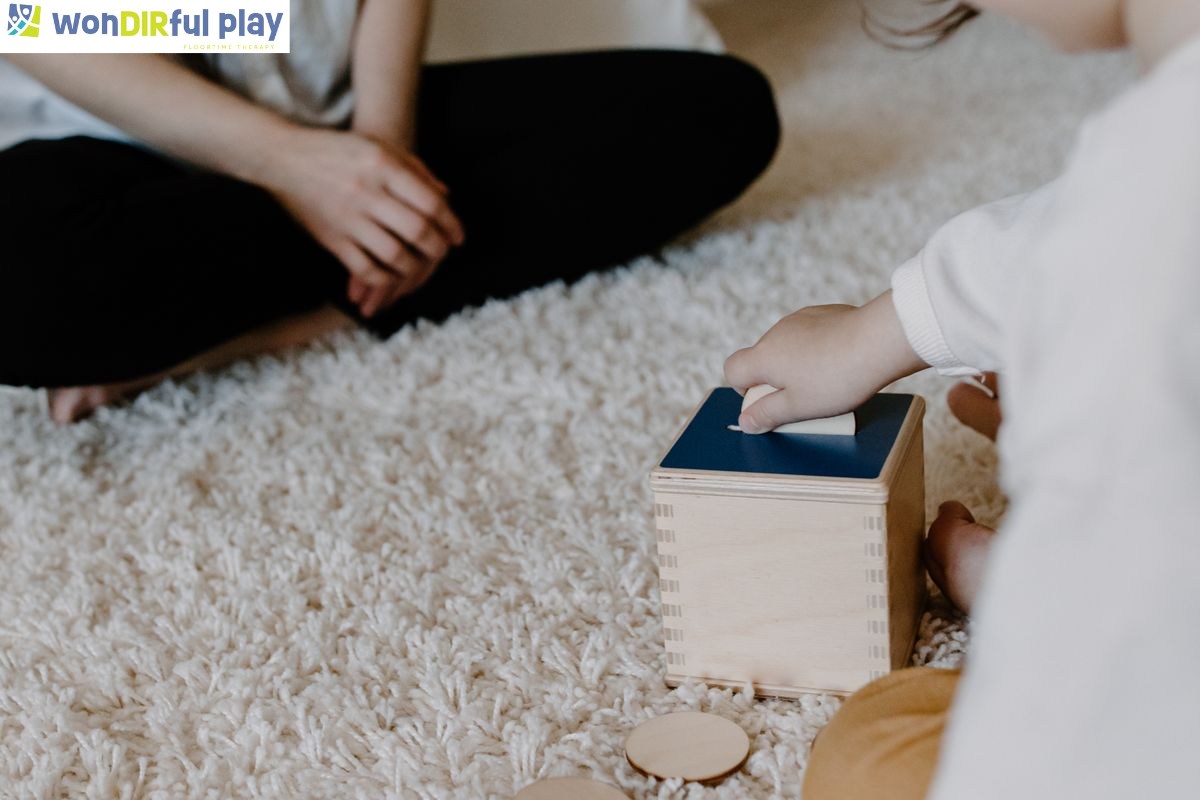
Theraplay techniques flex quite a bit depending on a child's age, energy level, and comfort with closeness, so a session with a toddler looks fairly different from one with a ten-year-old, even though the underlying goals stay the same.
Adapting Theraplay for Infants and Toddlers
With very young children, sessions lean heavily on nurture and simple engagement, since infants and toddlers communicate mostly through body language, sounds, and facial expression rather than words. Songs, gentle bouncing, and peekaboo-style games dominate this stage, always paced to match a young child's short attention span and need for frequent breaks.
Adapting Theraplay for School-Age Kids
Older children can handle more structure and a bit more challenge, so sessions might include cooperative games with simple rules, playful competitions, or team-based activities that still circle back to connection and shared fun.
Theraplay for parent-child interaction at this age often focuses on rebuilding warmth that daily stress, screens, or busy schedules have quietly worn down, much like the connection-first goals found in daily routine strategies used elsewhere in developmental therapy.
Frequently Asked Questions
What age is Theraplay for?
Theraplay works well for children from infancy through the early teen years, with games adjusted to fit each child's developmental stage and comfort level with physical, playful contact.
How many sessions does Theraplay usually take?
Many families see meaningful shifts within eighteen to thirty sessions, though the exact number depends on the child's history, the family's goals, and how quickly trust and attachment strengthen.
Is Theraplay only for adopted or foster children?
No. While Theraplay is widely used for attachment repair after adoption or foster care, it also helps biological families strengthen connection, regulate emotions, and reduce conflict during everyday parenting.
Can parents do Theraplay activities without a practitioner?
Simple Theraplay-inspired games are fine at home, but a certified practitioner should guide deeper attachment work, especially for children with trauma histories or significant emotional and behavioral needs.
How is Theraplay different from regular play?
Regular play is unstructured and child-led throughout. Theraplay is intentionally structured by the practitioner, blending playful engagement with calming, nurturing, and confidence-building activities in sequence.
Little Games, Lasting Bonds
Connection does not always need big gestures. A few minutes of peekaboo, a shared laugh, or a gentle hand-clapping game can shift how safe and seen your child feels with you, and that is the heart of every Theraplay activity.
Wondirful Play helps families understand how playful, relationship-based approaches like Theraplay work alongside broader developmental support, so the connection built in session carries into daily routines at home.
Contact us to talk through your child's needs and find out whether Theraplay, Floortime, or a blend of both fits your family best.
Recent articles


-ink.jpg)
-ink.jpeg)

-ink.jpeg)
-ink.jpeg)
-ink.jpeg)




























With WonDIRfulPlay, growth feels effortless and joyful. Our DIR floortime therapy services in Lakewood, NJ focus on building emotional connections, communication, and social confidence while addressing sensory and behavioral challenges.
For compliance matters, please call 732-523-9070 or email compllance@wondirfulplay.com

