
Play-Based Learning: What It Means and Why It Matters for Kids
September 23, 2026
Play-based learning helps kids build real skills through everyday play. Here's what it actually looks like and how DIR Floortime uses it.

Play doesn't look like much from the outside. A kid stacking blocks, pretending to run a store, or splashing water around a sink looks like nothing more than a way to pass the afternoon. But a 2025 systematic review in Frontiers in Education looked at nearly 90 studies on play-based learning and found the same thing researchers have been finding for decades: children pick up real skills through play that structured lessons often miss, especially around problem-solving, communication, and working with others.
This matters more now than it used to. Kids today get less unstructured playtime than previous generations, squeezed out by screens, packed schedules, and more academic pressure earlier in school. That's part of why the American Academy of Pediatrics and the National Association for the Education of Young Children have both pushed, in recent years, to protect play as a core part of how young children learn, not an extra.
Here's what play-based learning actually means, what it looks like day to day, and how it fits into DIR Floortime specifically.
What Play-Based Learning Actually Means
Play-based learning is exactly what it sounds like: kids learning through play instead of through worksheets, drills, or memorization. The child picks the activity, or at least steers it, and the adult builds learning into what's already happening rather than pulling the child away from play to teach something separate.
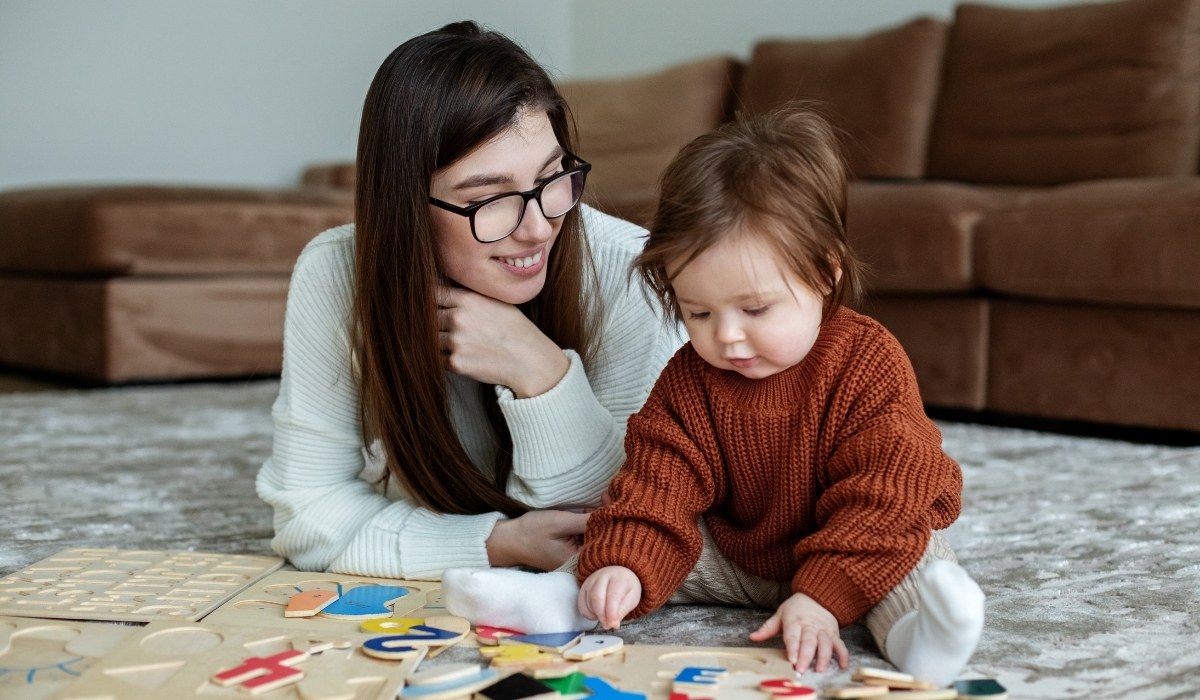
This works because kids pay attention differently when they're the ones driving the activity. A child sorting toy animals by color is doing math. A child pretending to order food at a "restaurant" is practicing language, sequencing, and social turn-taking. None of it needs to be labeled as a lesson for the learning to happen.
What Play Actually Builds
Play touches more areas of development at once than most structured activities do:
- Thinking skills. Working out how to fit a puzzle piece, solve a pretend problem, or figure out what happens next builds the same reasoning kids need later for math and reading.
- Social skills. Sharing a toy, waiting for a turn, or negotiating who's the "mom" and who's the "baby" in pretend play teaches cooperation that no worksheet can.
- Emotional skills. Play gives kids a low-stakes way to act out big feelings, whether that's frustration when a tower falls or excitement during a chase game, and to practice managing them.
- Physical skills. Climbing, running, drawing, and building all strengthen the same muscles and coordination kids need for everything from writing to sports.
Play-Based Learning Inside DIR Floortime
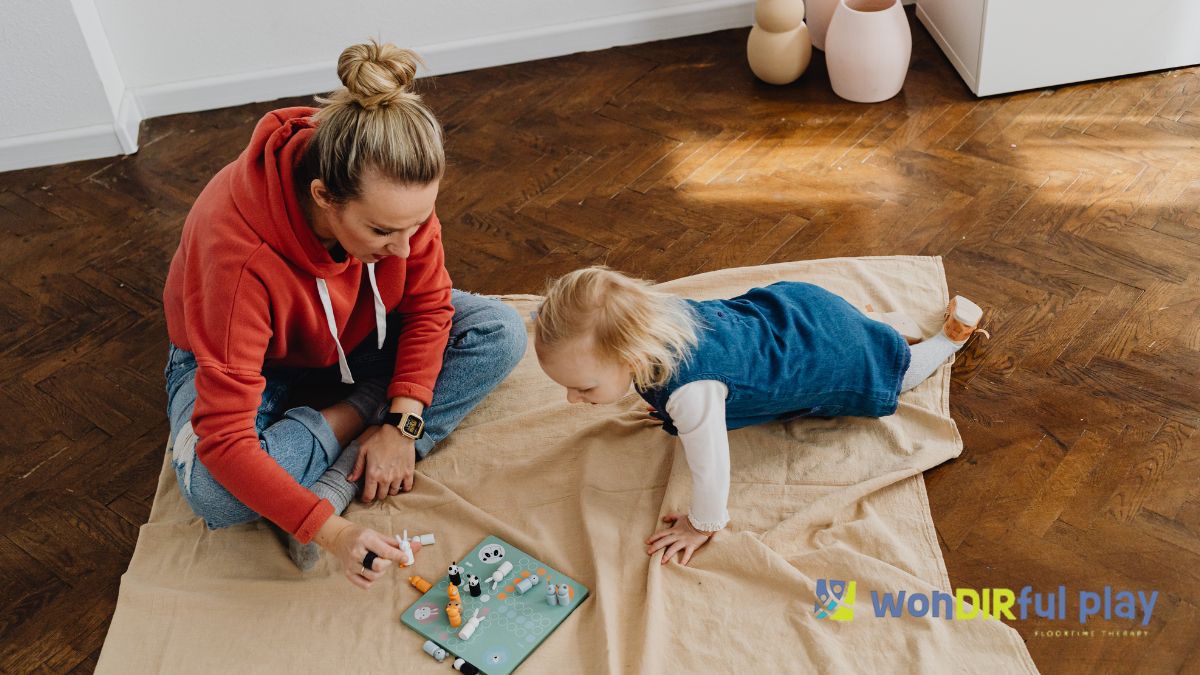
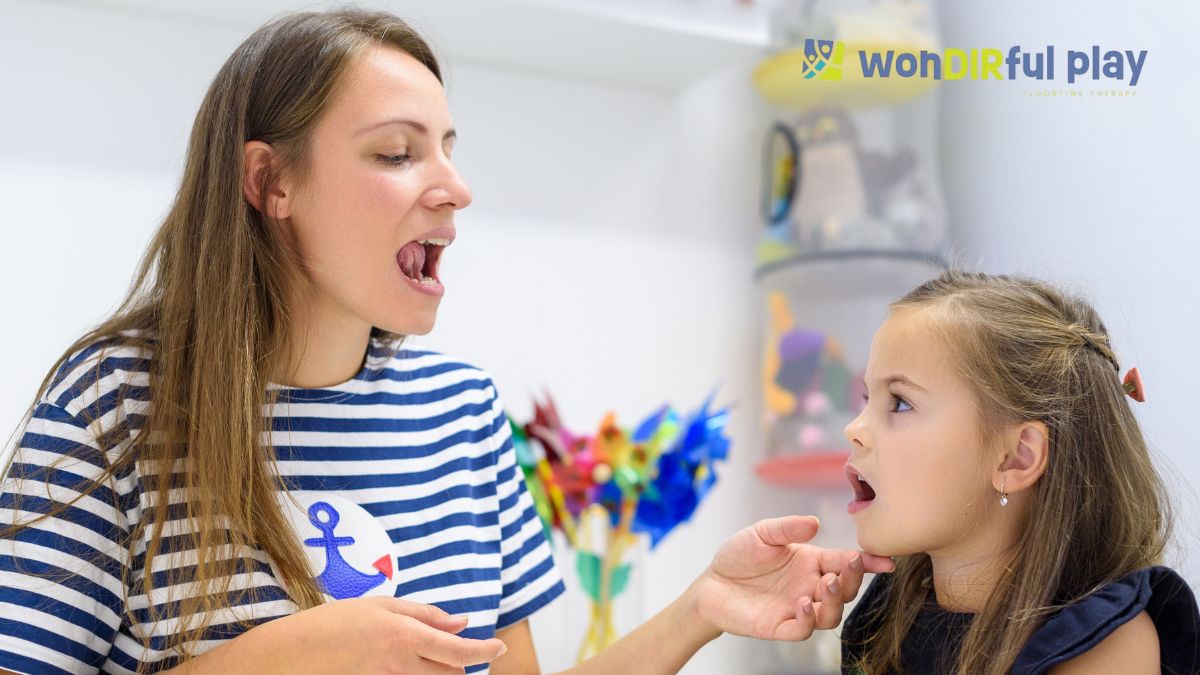
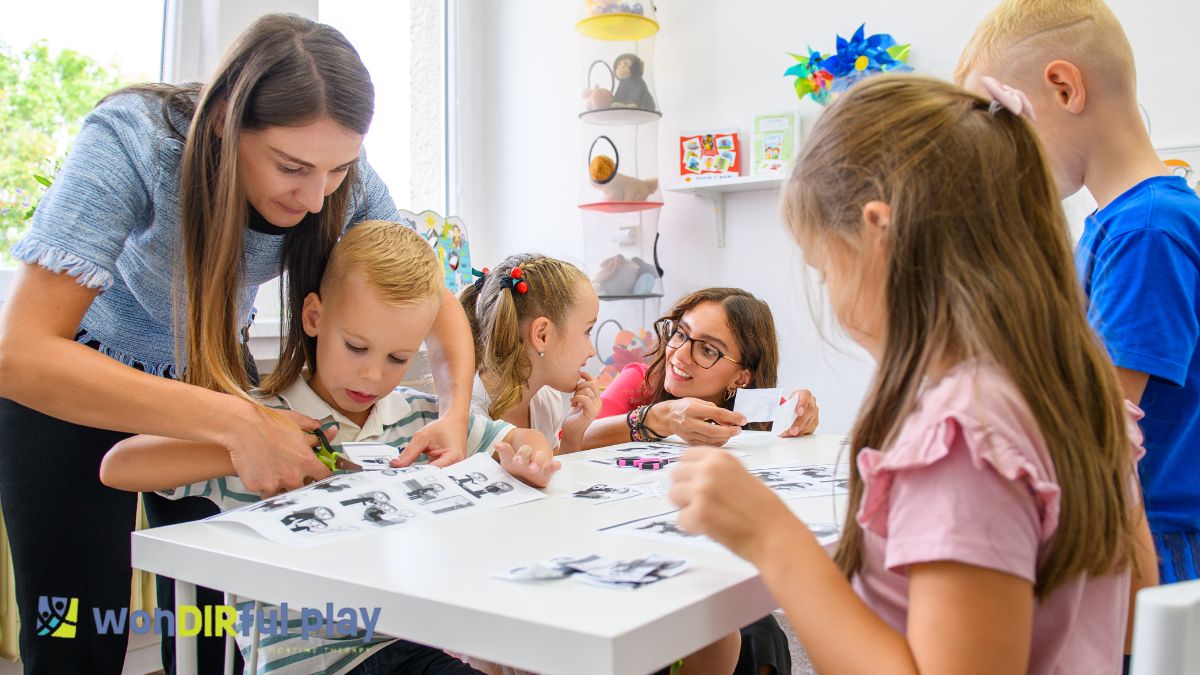
Play-based learning is at the center of DIR Floortime, where a therapist or parent follows the child's lead during play and uses that shared moment to build connection and new skills. Three types of play tend to do the most work here: sensory play, pretend play, and social play.
Sensory Play
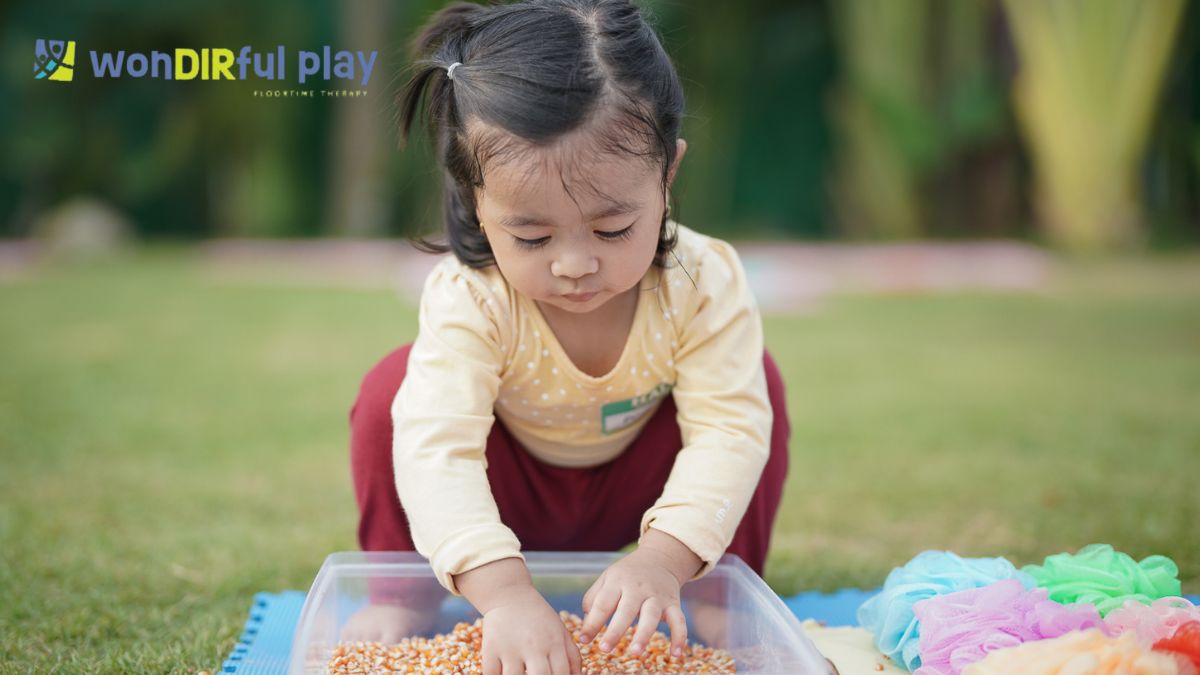
Sensory play gets kids using touch, sight, sound, and movement together, which helps the brain organize and respond to input more smoothly.
- Sand play (touch, sight): builds fine motor control and creative exploration
- Water play (touch, sound): builds sensory processing and early cause and effect thinking
- Finger painting (touch, sight): builds hand eye coordination and self expression
Pretend Play
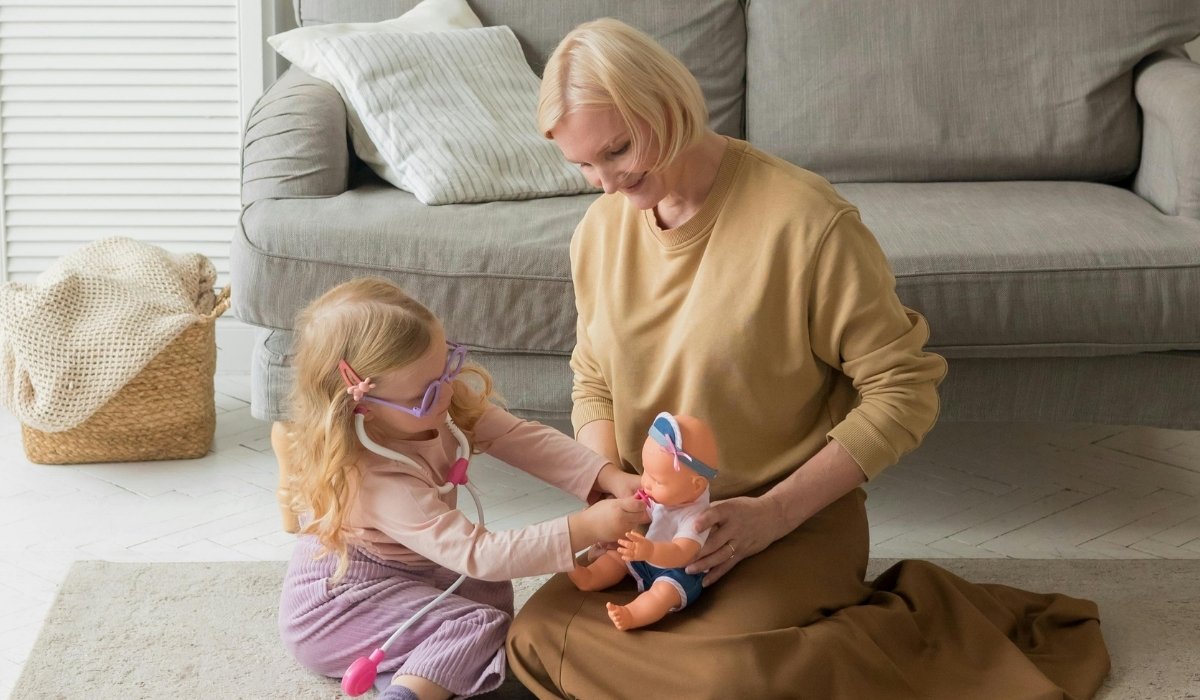
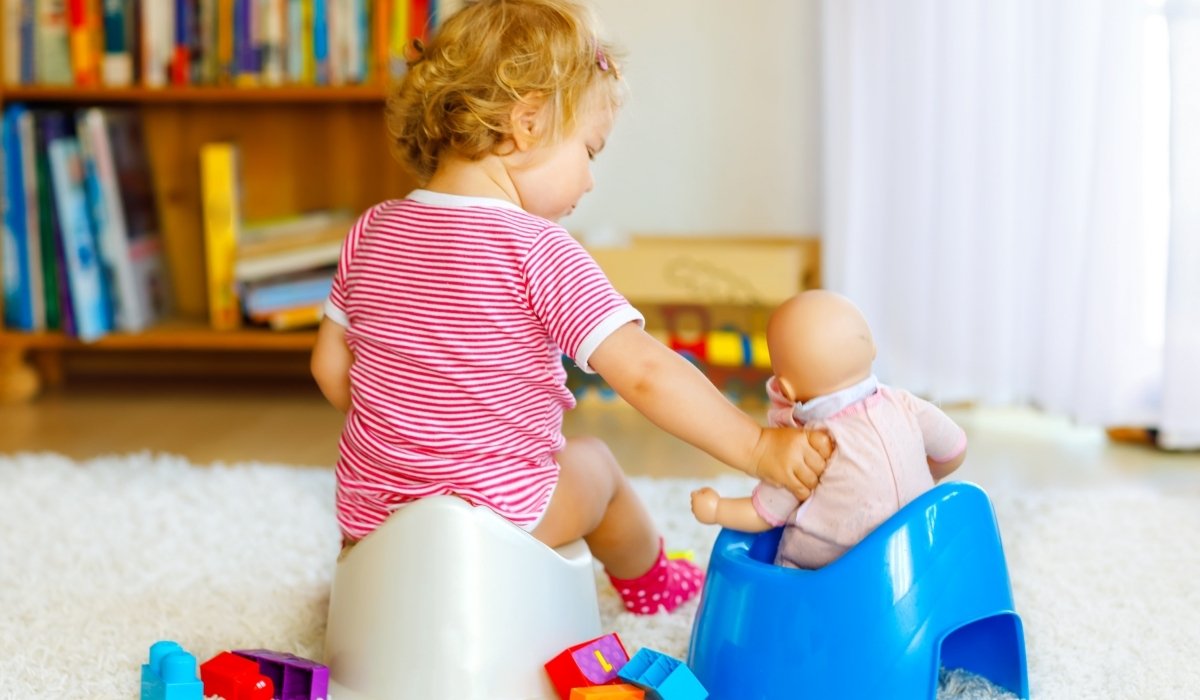
Pretend play lets kids try on roles, act out real-life situations, and practice social and emotional skills in a low-pressure setting. It also supports the kind of imaginative back-and-forth covered in our guide to the benefits of pretend play.
- Playing house (social interaction, communication): builds empathy and language development
- Superhero role-play (imagination, flexible thinking): builds confidence and creative problem solving
- Store play (early math, social skills): builds counting concepts and back and forth interaction
Social Play
Social play is where kids practice interacting with peers and adults directly. For more structured options, see our full list of Floortime-friendly activities.
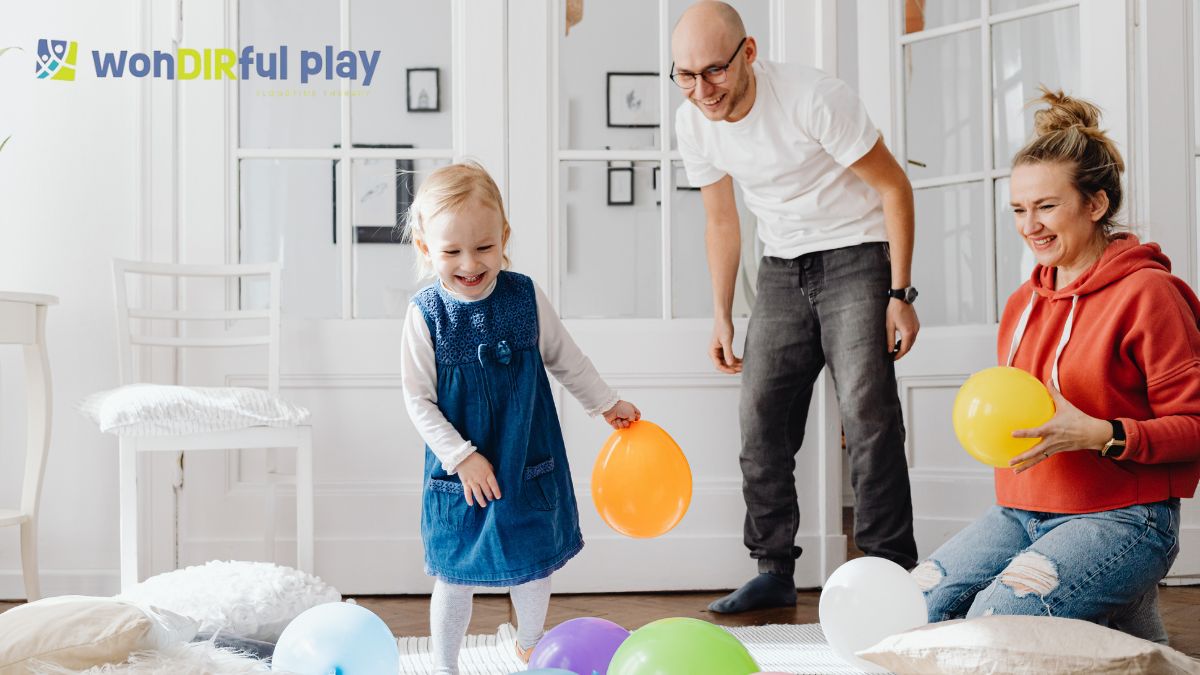
- Group games (peer to peer): builds teamwork and communication
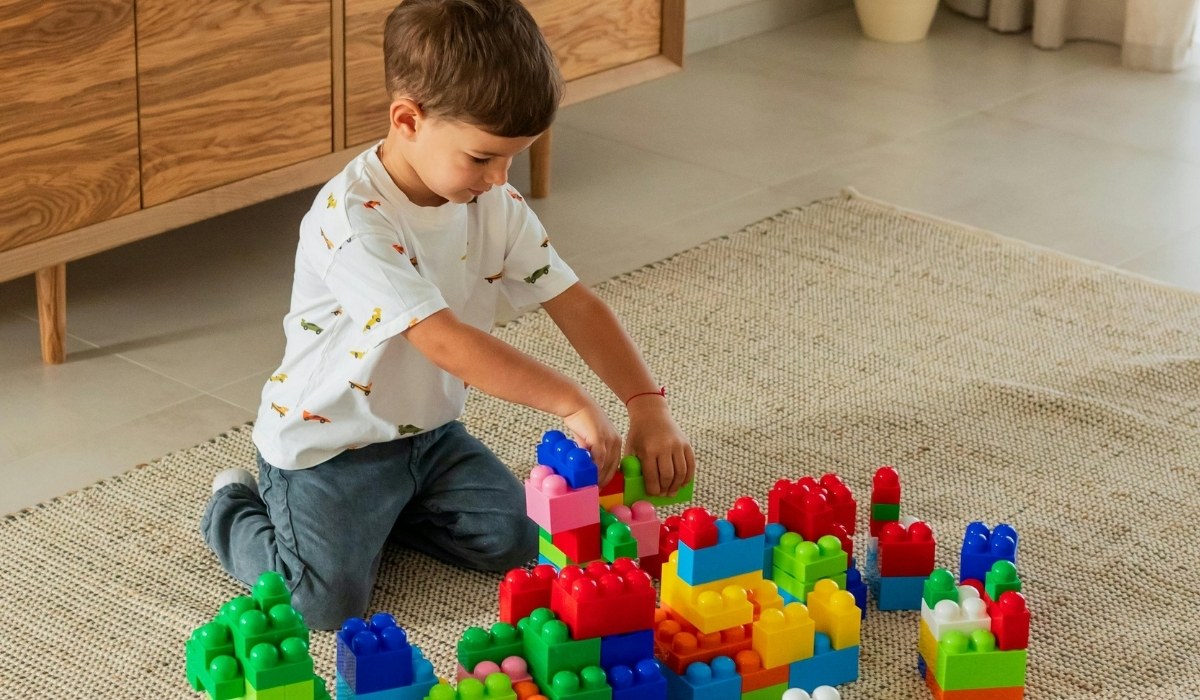
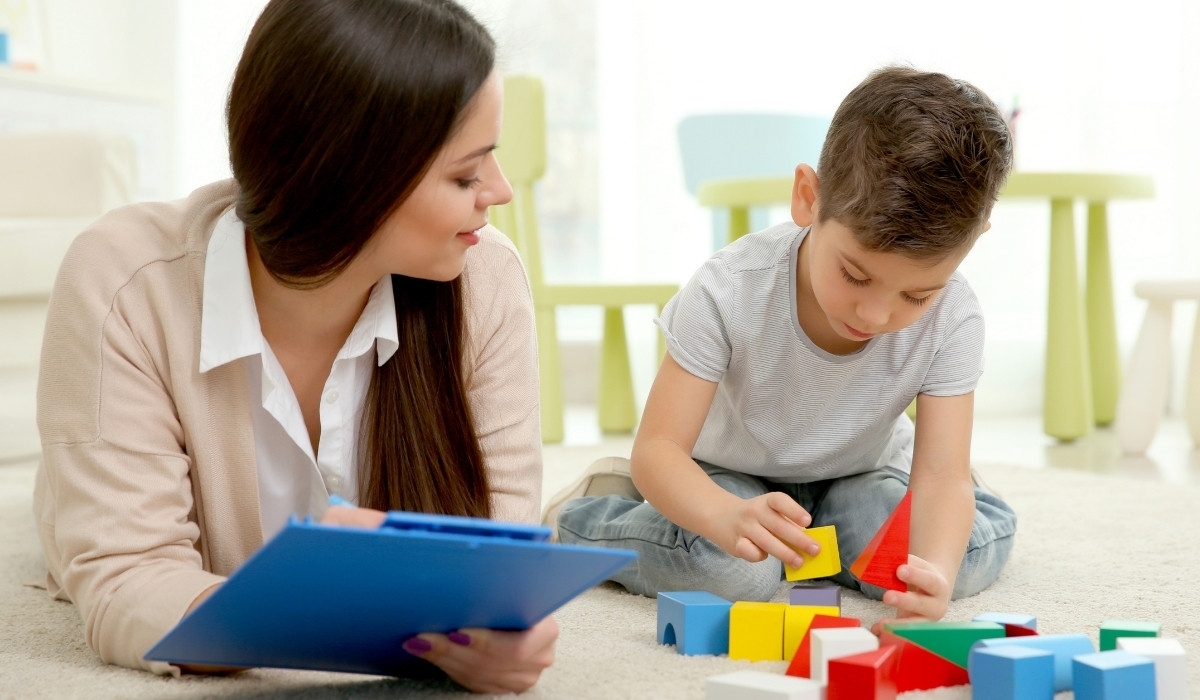
- Cooperative building (adult and child): builds shared problem solving and connection
- Turn-taking games (peer to peer): builds patience and social timing
How Play Builds Connection and Communication
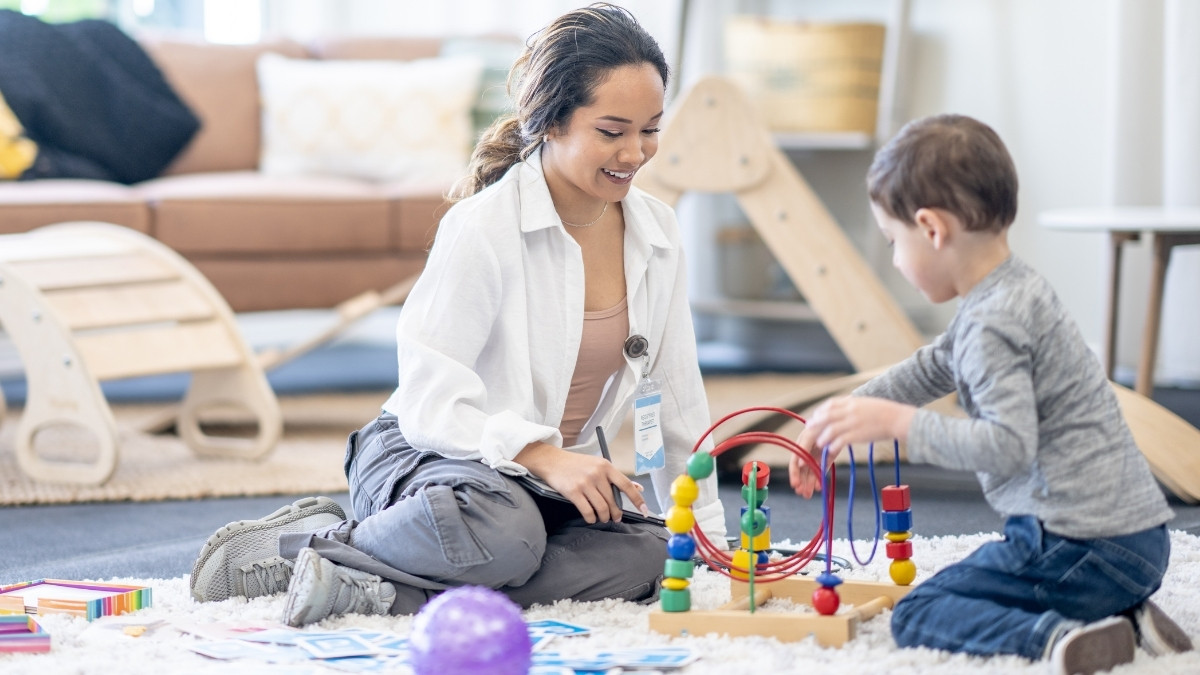
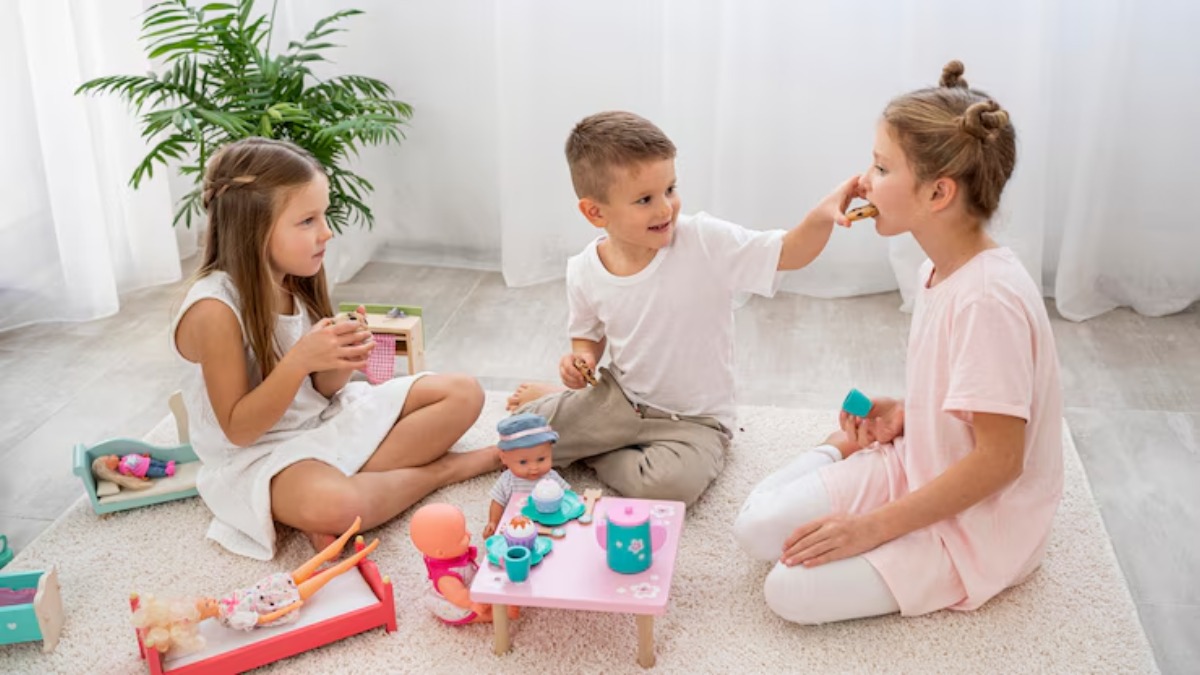
Inside DIR Floortime, play isn't just about the skill being practiced. It's also the vehicle for connection. When a parent gets down on the floor and follows a child's lead, whether that's stacking cups or narrating a pretend tea party, the child experiences being understood and responded to in real time. That back-and-forth is where a lot of the actual growth happens, more than the specific toy or activity.
This shows up in a few concrete ways:
- Language grows through pretend scenarios. Acting out playing house or telling a made-up story pushes kids to use new words and longer sentences without being asked to.
- Non-verbal communication improves too. Gestures, facial expressions, and body language get a workout during play, which supports the same skills covered in our piece on circles of communication in Floortime.
- Problem-solving gets practiced naturally. Figuring out how to build something with blocks, or how to keep a pretend story going, builds the same flexible thinking kids need in the classroom.
Making Play Work for Your Child Specifically
One thing DIR Floortime does differently from generic "play-based learning" advice is start with the individual child rather than a one-size-fits-all activity list. That means looking at:
- What the child is already good at. Building on strengths keeps them engaged.
- Where they're struggling. This shapes what kind of support to build into the play.
- What actually interests them. A child obsessed with trains will engage far more with train-themed counting or sorting than with a generic worksheet.
A few ways to bring a child's interests into play:
- Animals: pretend play as different animals, sensory bins with animal figures
- Vehicles: toy cars, building tracks, making up stories about a trip
- Art: drawing, painting, playdough sculptures
- Music: dancing, simple instruments, singing together
Setting Up a Space That Actually Works
A few practical things make play-based learning easier at home:
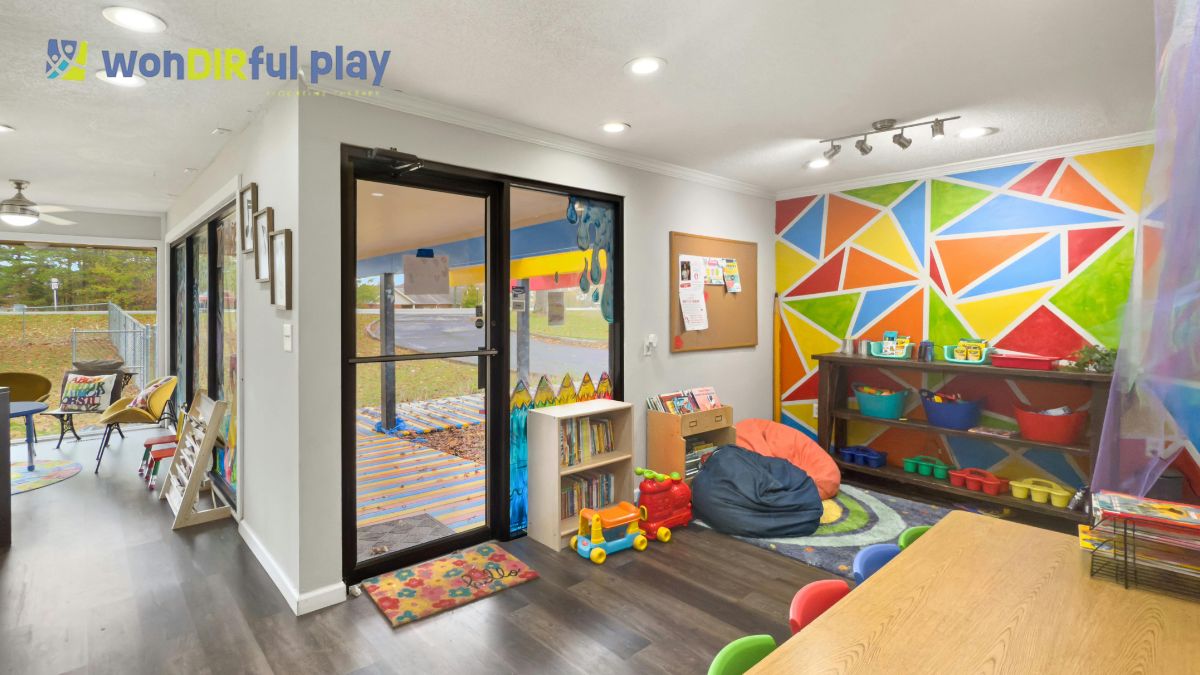
- Keep a range of materials on hand. Blocks, craft supplies, dress-up clothes, and sensory bins go a long way. You don't need anything expensive.
- Watch for sensory overload. Soft lighting and a calmer corner of the room help kids who get overwhelmed easily.
- Make things easy to reach. A child who has to ask for every item loses momentum. Let them grab what they want and explore on their own terms.
- Follow, don't redirect. If your child wants to line up cars instead of doing what you had planned, join that instead of steering them away from it. The connection matters more than the specific activity.
-
.jpeg)
Frequently Asked Questions
Is play-based learning only for toddlers and preschoolers?
No. The core idea, that kids learn best when they're actively engaged and have some choice in the activity, applies well into elementary school and even to teens working on specific skills. The activities just look different as kids get older.
How is play-based learning different from just letting a child play unsupervised?
Unsupervised play is valuable on its own, but play-based learning usually involves an adult who's paying attention and building on what the child is already doing, without taking over. In DIR Floortime specifically, that means following the child's lead and using their play to build connection and target specific developmental goals.
Does play-based learning work for children with autism or developmental delays?
Yes, and it's actually the foundation of approaches like DIR Floortime. Because the child leads and the activity is tailored to their interests and current stage, play-based learning tends to work well even when a child struggles with more structured or verbal instruction.
Explore Play-Based Learning With WonDIRfulPlay
If you're noticing your child could use more support with communication, connection, or development in general, DIR Floortime builds on exactly this kind of play. Our team works with families across New Jersey to turn everyday play into real developmental progress. Learn more about our DIR Floortime services, or reach out to us directly if you have questions about what this could look like for your child.
Recent articles

-ink.jpg)
-ink.jpeg)
-ink.jpeg)
-ink.jpeg)
-ink.jpeg)














With WonDIRfulPlay, growth feels effortless and joyful. Our DIR floortime therapy services in Lakewood, NJ focus on building emotional connections, communication, and social confidence while addressing sensory and behavioral challenges.
For compliance matters, please call 732-523-9070 or email compllance@wondirfulplay.com

