
DIR Floortime vs ABA Therapy: Which Is Right for Your Child in New Jersey?
May 4, 2026
Compare DIR Floortime vs ABA therapy in NJ to understand which autism approach fits your child's needs, values, and developmental goals.
-ink.jpeg)
Key points:
- DIR Floortime focuses on emotional connection and child-led development, while ABA targets specific behaviors through structured reinforcement strategies.
- Many NJ families choosing autism therapy find that DIR Floortime aligns better with neurodiversity-affirming values and whole-child development.
- Understanding the key differences between these approaches helps NJ parents make confident, informed decisions for their child's care.
When your child is diagnosed with autism in New Jersey, you will likely hear about two approaches more than any others: DIR Floortime and Applied Behavior Analysis, or ABA. Both have been used widely, but they are built on different foundations and produce different kinds of growth.
If you are trying to choose autism therapy in New Jersey and feeling confused by the options, you are not alone.
This guide breaks down DIR Floortime vs ABA therapy in plain, honest terms so you can make the choice that is right for your child.
What Is DIR Floortime?
DIR Floortime is a developmental, relationship-based model created by Dr. Stanley Greenspan and Dr. Serena Wieder. The DIR framework looks at a child's emotional and developmental milestones rather than primarily targeting behaviors.
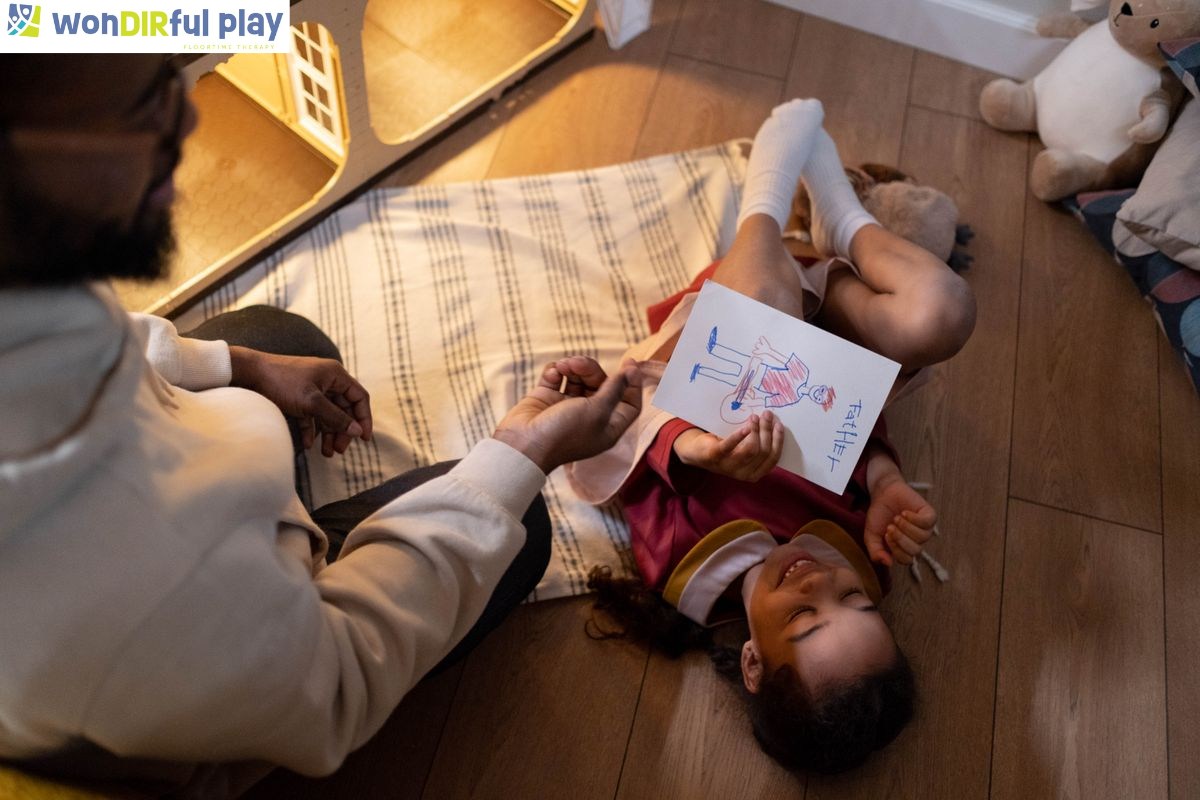
Therapy happens through play, with the therapist and parents following the child's lead to create meaningful moments of connection. If you want to understand the foundation of this approach in depth, the evidence behind DIR Floortime provides a solid starting point.
The three letters in DIR stand for Developmental (understanding each child's individual developmental profile), Individual Differences (recognizing that every child processes the world differently, especially sensory information), and Relationship-based (using warm, attuned relationships as the vehicle for growth). Sessions do not follow a predetermined script. They follow the child.
What Is ABA Therapy?
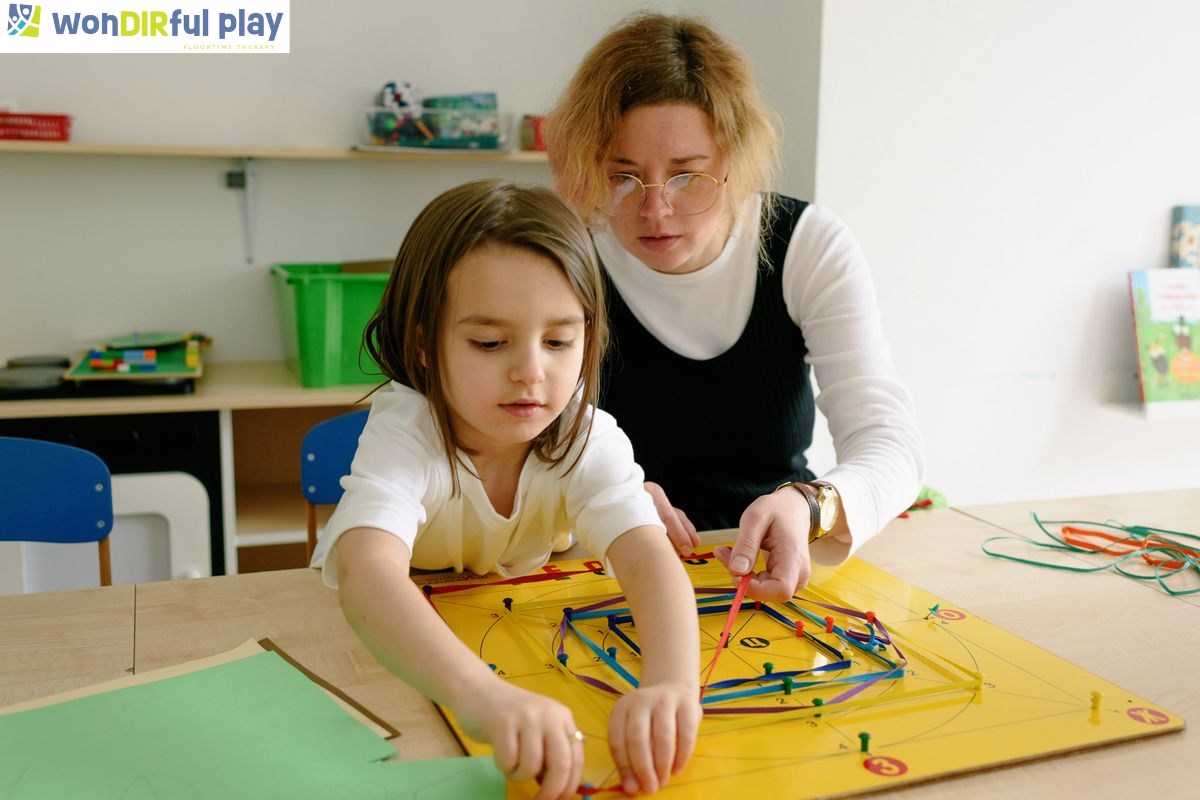
Applied Behavior Analysis is a therapy model rooted in behavioral science. ABA breaks skills into small steps and uses consistent reinforcement, usually praise or preferred items, to increase desired behaviors and decrease ones that cause difficulty. It is highly structured, with therapists setting specific targets and collecting data on performance across every session.
ABA has been around since the 1960s and has a large body of research behind it. In its earlier forms, it was often very rigid and drill-based. More modern versions of ABA, sometimes called naturalistic ABA, have incorporated elements of child choice and play. Still, the underlying philosophy of behavior shaping remains central to the approach.
The Core Philosophical Difference
Here is the fundamental difference: ABA asks, 'What does this child need to do differently?' DIR Floortime asks, 'What does this child need to feel and experience to grow?' One approach starts with behavior. The other starts with development and relationship. For many families looking for neurodiversity-affirming therapy in NJ, this distinction matters a great deal.
Children who go through intensive ABA often become skilled at performing specific tasks in structured settings. The question families sometimes raise is whether those skills transfer to real life, to relationships, to flexible thinking in new situations. DIR Floortime targets those deeper capacities directly, aiming to grow the child's inner world rather than shape their outward behavior.
DIR Floortime Benefits Over ABA in NJ: What the Research Shows
-ink.jpeg)
Research supporting DIR Floortime has grown substantially in recent years. Studies published in peer-reviewed journals have found that children who received Floortime-based intervention showed improvements in communication, emotional functioning, and parent-child relationships.
One landmark study found that nearly half of children who received intensive Floortime intervention moved into the 'good to outstanding' range of outcomes. You can explore the science behind DIR Floortime for a fuller picture of the evidence.
ABA also has supporting research, particularly for teaching specific functional skills. Many studies focus on behavioral compliance and skill acquisition rather than emotional or relational development.
Critics of ABA, including many autistic self-advocates, have raised concerns about approaches that prioritize making autistic people appear more neurotypical rather than helping them thrive as themselves.
Which Approach Is Better for Communication?
Communication is often the top priority for families of autistic children. Both approaches address communication, but in very different ways.
ABA may teach a child to request items using words or a device through repetition and reinforcement. This can produce measurable gains in functional communication fairly quickly.
DIR Floortime works on the foundations of communication: shared attention, emotional engagement, turn-taking, and the desire to connect. The idea is that when a child genuinely wants to communicate because connection feels rewarding, language and communication emerge more naturally.
Many speech-language pathologists in New Jersey find that DIR Floortime principles enhance their own therapy, helping children become more genuinely communicative rather than simply compliant communicators.
What About Children Who Are Non-Speaking?
A common concern parents have is whether DIR Floortime is appropriate for non-speaking children. The answer is yes. DIR Floortime does not require verbal communication to be effective. It starts with any form of connection: eye contact, gesture, sound, movement, shared gaze. The therapist builds on whatever communication the child already uses.
For non-speaking children, DIR Floortime often works alongside augmentative and alternative communication tools. The relationship-based nature of the approach means the therapy actively builds a child's motivation to communicate in whatever way they are able. If you are wondering how these strategies look in practice, exploring daily Floortime activities can give you a real sense of the approach.
Switching from ABA to Floortime in NJ: What Families Should Know
Some NJ families begin with ABA and later decide to explore DIR Floortime. This happens for many reasons: concerns about the emotional impact of highly structured sessions, a feeling that progress has plateaued, or a desire for an approach that feels more aligned with their family's values. If you are considering making a switch, it is worth reading about how these developmental approaches compare before making any changes.
Transitions between approaches should be gradual and planned. A good DIR Floortime provider will do a thorough assessment before beginning services and will want to understand what your child has already worked on. Many of the functional skills learned in ABA can be maintained and expanded within a Floortime model.
It is also worth knowing that some providers offer blended models that draw from both DIR and behavioral frameworks. If you are not sure which path to take, discussing your child's specific needs with a knowledgeable clinician is the best starting point.
Making the Choice: Questions to Ask Yourself
-ink.jpeg)
Choosing between DIR Floortime and ABA is not about which approach is universally better. It is about which approach is the best fit for your child, your family, and your values. Consider:
- Does your child respond better to child-led, relationship-based interactions or structured, reward-based learning?
- Are your main goals behavioral, such as reducing self-injurious behavior, or developmental, such as building genuine communication and connection?
- What are your values around neurodiversity and how autism is understood?
- What do current therapists and educators say about your child's learning style?
It is also worth talking to other NJ families who have been through this decision. You can find a wealth of perspectives and guidance through local support networks and through the resources available in your area.
Frequently Asked Questions
Can DIR Floortime and ABA be used at the same time?
Some families use both, and some clinicians offer blended approaches. It depends on how compatible the specific providers are and whether the two approaches are coordinated thoughtfully.
Is DIR Floortime covered by insurance in New Jersey like ABA is?
Insurance coverage for DIR Floortime in NJ varies by plan. ABA has broader mandated coverage in some plans. Check your specific policy and ask your provider about billing codes used.
My child did well in ABA. Should I switch?
Not necessarily. If your child is thriving, stability matters. If you are noticing that progress has slowed or that your child seems distressed in sessions, it may be worth exploring additional options.
Is DIR Floortime evidence-based?
Yes. There is a growing body of peer-reviewed research supporting DIR Floortime outcomes, particularly in communication, emotional development, and parent-child relationships.
How do I find a DIR Floortime therapist in New Jersey who can help me decide?
Reach out to a DIR-specialized provider in NJ for an initial consultation. A good therapist will help you understand whether Floortime is the right fit without pressuring you toward any particular choice.
Choose Connection Over Compliance: Compare Floortime and ABA Therapy in NJ
Selecting the right therapy can feel overwhelming when approaches differ so widely. Understanding DIR Floortime vs ABA therapy in NJ helps families make decisions that align with their child’s needs and values.
While some programs focus on behavior outcomes, many parents seek a neurodiversity-affirming therapy in NJ that prioritizes emotional development and authentic interaction. DIR Floortime benefits over ABA often include stronger relationships, flexible thinking, and self-motivated engagement.
At WonDIRful Play, families exploring the best autism therapy in New Jersey can learn how developmental approaches support long-term growth.
If you are considering an ABA alternative therapy in NJ or thinking about switching from ABA to Floortime in NJ, our team can help you compare options and choose a path that feels right.
Recent articles





-ink.jpeg)
-ink.jpeg)
-ink.jpeg)
-ink.jpeg)
-ink.jpeg)
-ink.jpeg)
-ink.jpeg)
-ink.jpeg)
-ink.jpeg)


.jpeg)
.jpg)



.jpg)
-ink.jpeg)

.jpg)

-ink.jpeg)

-ink.jpeg)
-ink.jpeg)
.jpg)
.jpg)
-ink.jpeg)
-ink.jpeg)
-ink.jpeg)
.jpg)

-ink.jpeg)
-ink.jpeg)
-ink.jpeg)
-ink.jpeg)
-ink.jpeg)
-ink.jpg)
-ink.jpeg)
-ink.jpeg)
-ink.jpeg)
.jpg)
.jpg)
-ink.jpeg)
-ink.jpeg)
.jpg)
-ink.jpeg)
-ink.jpeg)
-ink.jpeg)
-ink.jpeg)
-ink.jpeg)
-ink.jpeg)
-ink.jpeg)
-ink.jpeg)
-ink.jpeg)
-ink.jpeg)
-ink.jpeg)
-ink.jpeg)
-ink.jpeg)
-ink.jpeg)


-ink.jpeg)

-ink.jpg)
-ink.jpeg)

-ink.jpeg)
-ink.jpeg)
-ink.jpeg)




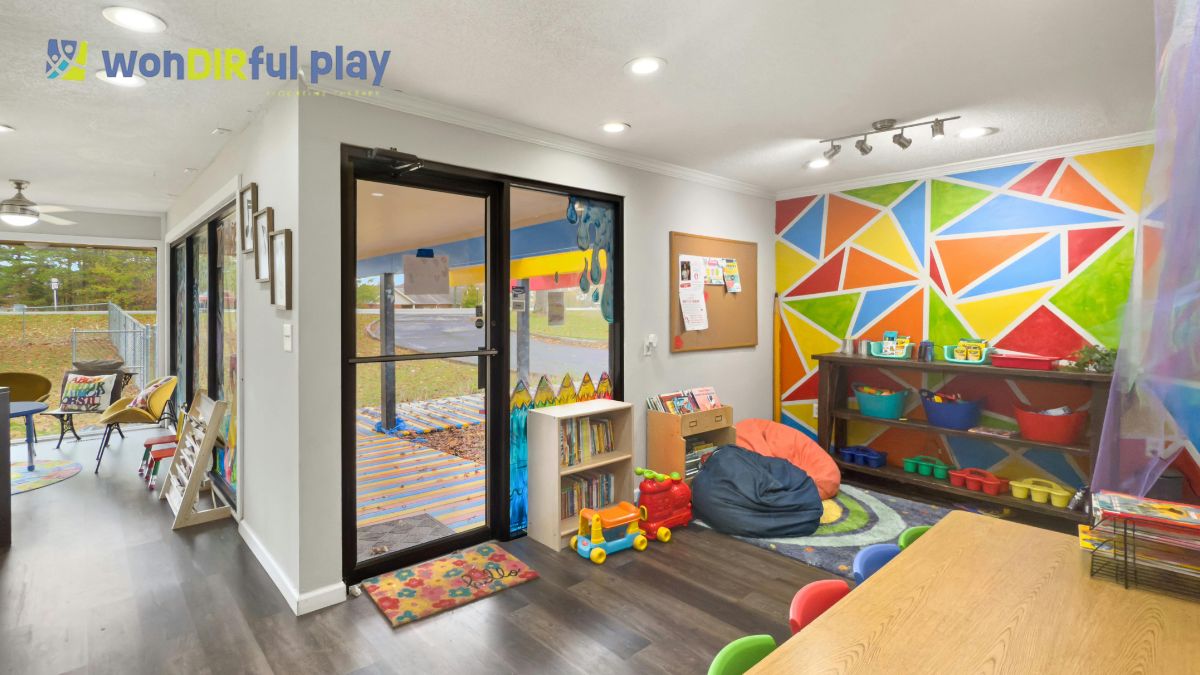










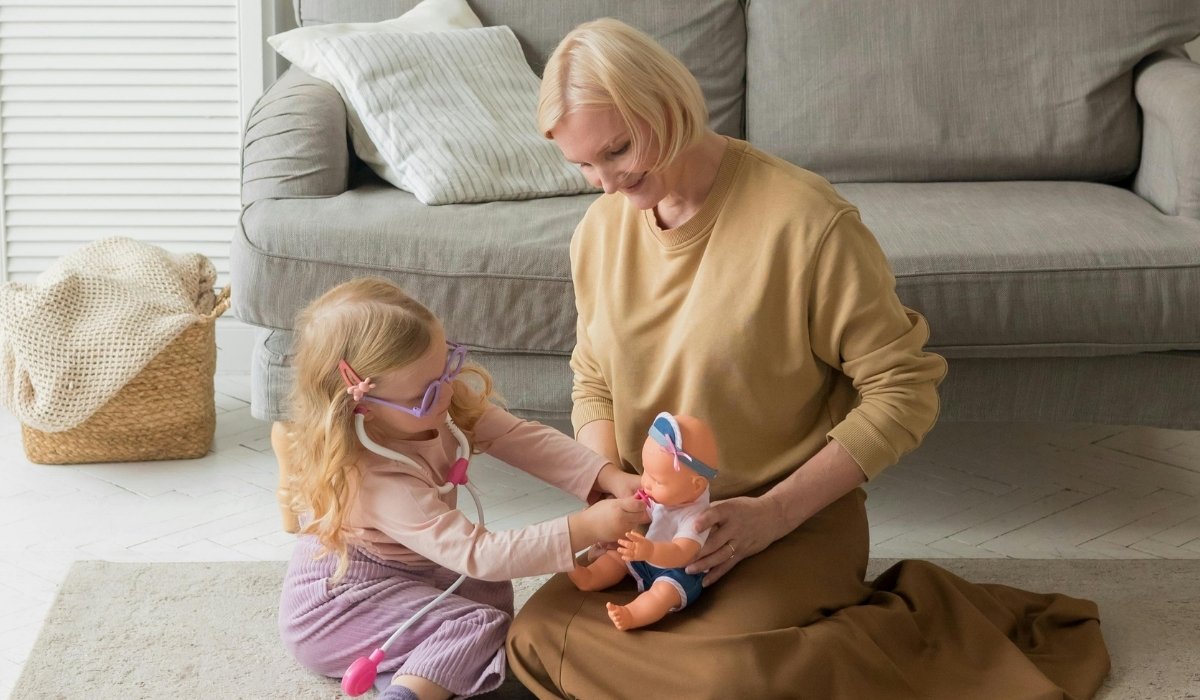





With WonDIRfulPlay, growth feels effortless and joyful. Our DIR floortime therapy services in Lakewood, NJ focus on building emotional connections, communication, and social confidence while addressing sensory and behavioral challenges.
For compliance matters, please call 732-523-9070 or email compllance@wondirfulplay.com

