
Involving Siblings in DIRFloortime: Building Family Connection Through Play
April 21, 2026
Learn how involving siblings in DIRFloortime builds connection, supports autism development, and strengthens family relationships through play.
.jpg)
Key Points
- Siblings in DIRFloortime therapy create natural opportunities for communication, emotional bonding, and social learning through everyday play and shared experiences.
- Sibling play therapy for autism strengthens empathy, cooperation, and problem-solving skills for both children, helping families build stronger relationships at home.
- Structured Floortime sibling activities help families turn daily play into meaningful moments that support emotional development and long-term connection.
Families often search for ways to strengthen connections when one child has autism. Therapy sessions can feel structured or adult-led, leaving parents wondering how brothers and sisters fit into the process. DIRFloortime offers a refreshing perspective. It focuses on relationships, shared attention, and emotional engagement through play.
When siblings become part of the experience, therapy no longer feels like a separate activity. Instead, it becomes a natural part of family life. Children interact in ways that are playful, spontaneous, and meaningful. These moments support communication, empathy, and social growth.
Research highlights the importance of sibling relationships in shaping social development for children with autism. Studies show that sibling-mediated interactions can improve social communication skills, play behavior, and emotional understanding.
This article explores how siblings in DIRFloortime therapy strengthen family bonds and help children grow together. Parents will find practical strategies, play ideas, and guidance for building positive sibling relationships through everyday interaction.
Understanding DIRFloortime and Its Relationship-Based Approach
DIRFloortime is a play-based developmental approach designed to strengthen emotional connections and communication. Instead of directing a child toward specific tasks, adults follow the child's interests and build interaction through shared attention and engagement.
The model focuses on three elements: developmental progress in emotional and social skills, individual differences in sensory and communication styles, and relationships that support learning and growth.
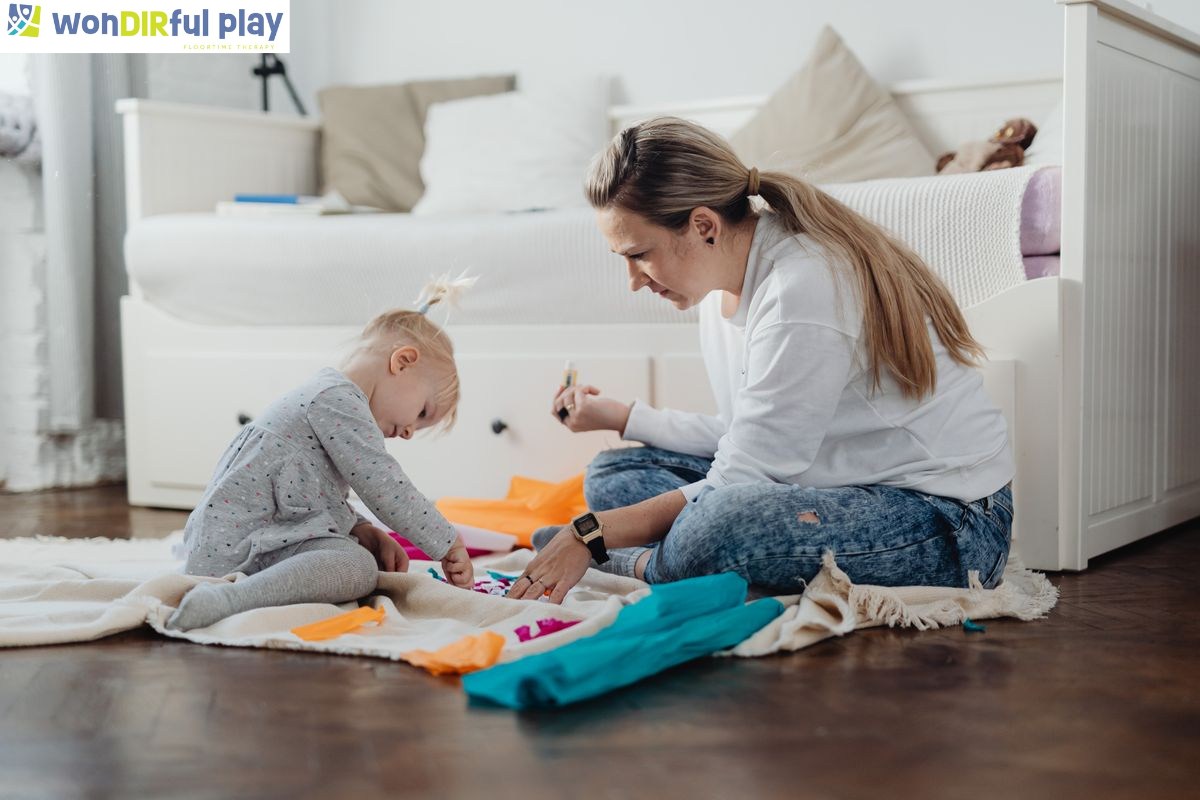
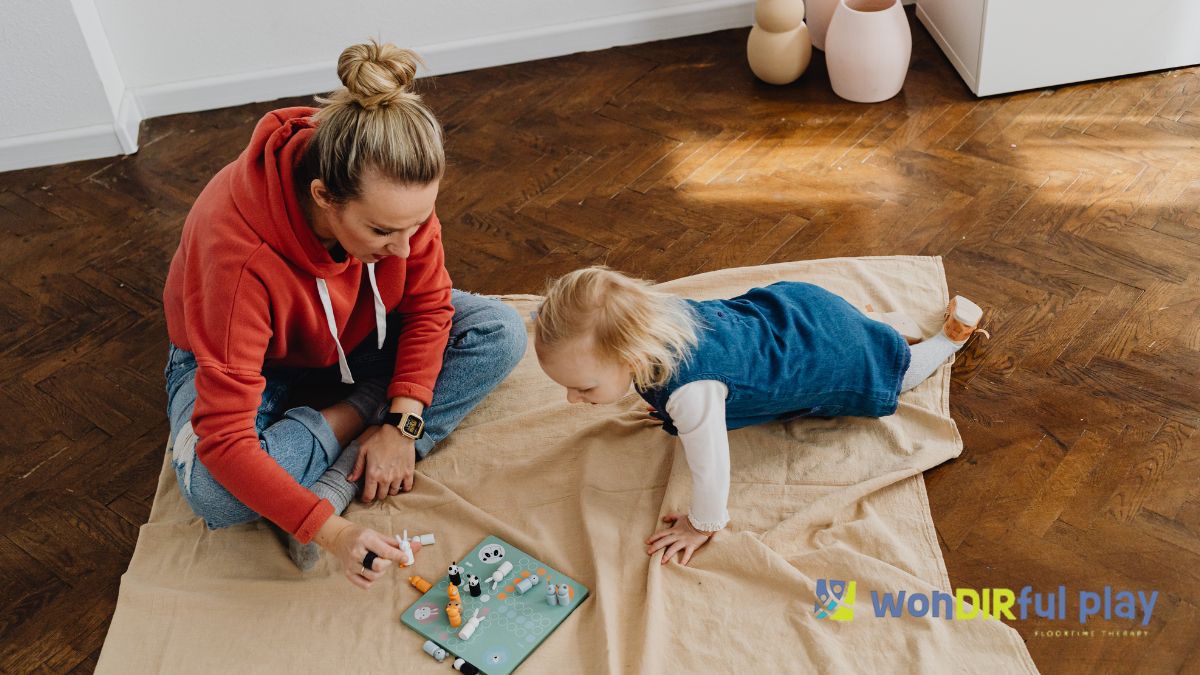
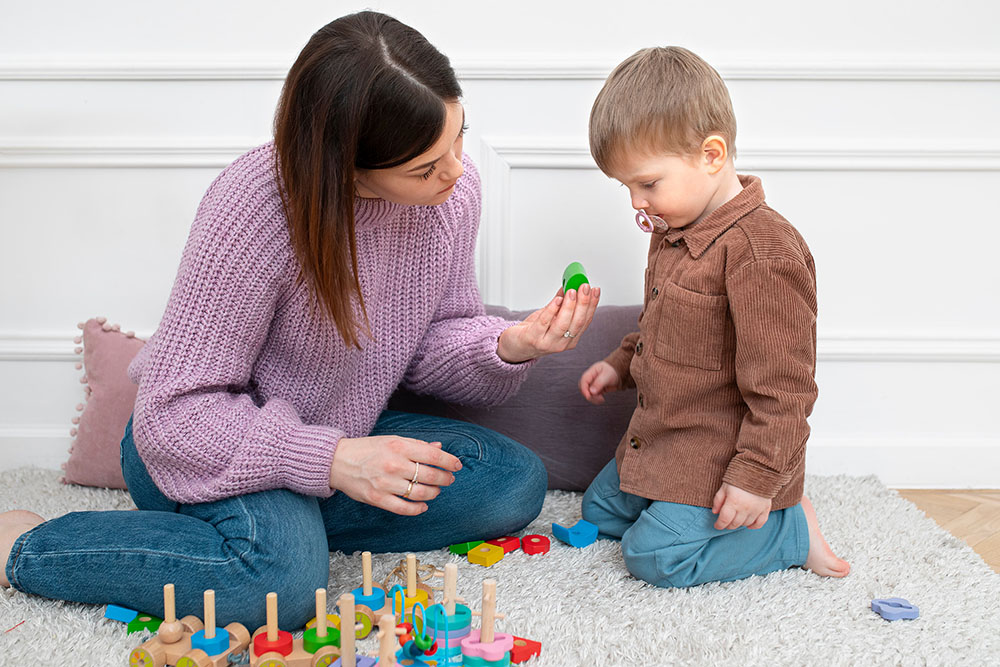
During a session, caregivers join the child on the floor, observe what captures their interest, and playfully enter the activity. This creates opportunities for back-and-forth interaction, emotional expression, and creative problem solving.
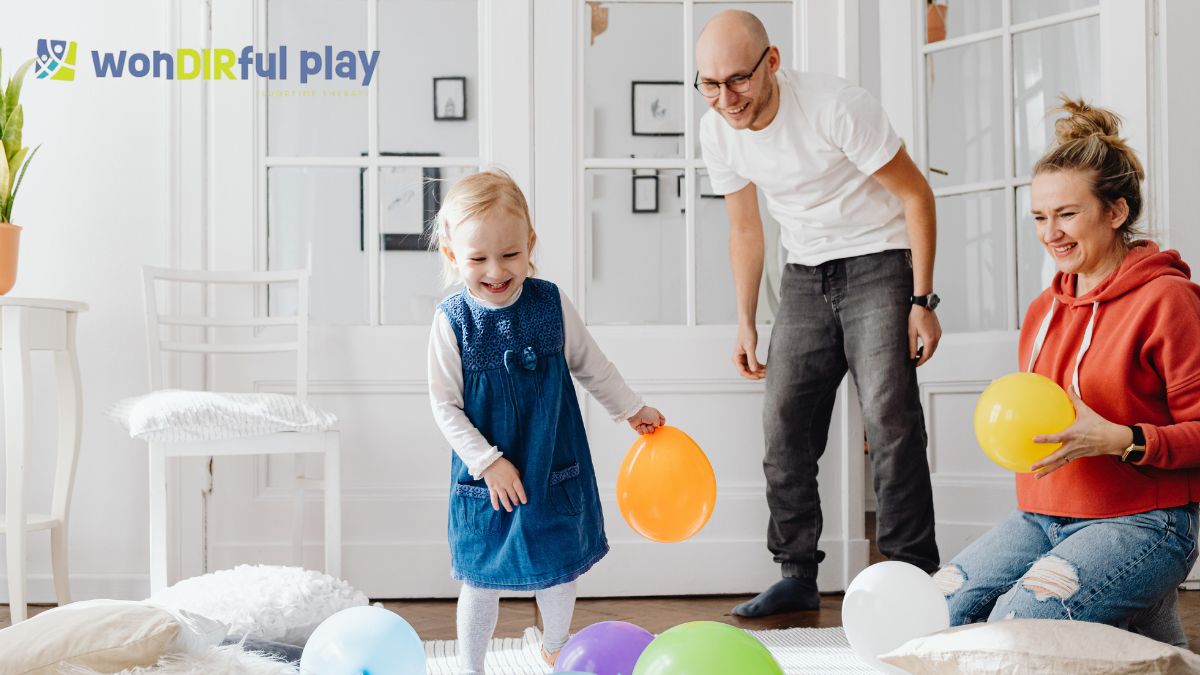
When siblings participate, the environment becomes even more natural. Brothers and sisters already share toys, games, and imagination. Their presence often encourages spontaneous interaction that supports emotional learning.
Research examining DIR-based interventions shows improvements in social communication and emotional functioning when families actively participate in play-based interaction.
For many families, this approach turns therapy into an everyday connection rather than a separate activity.
Why Siblings Play a Powerful Role in Autism Development
Sibling relationships often represent the longest connections people experience in life. For children with autism, these relationships can become powerful learning opportunities.
Studies suggest that children with autism who interact regularly with siblings often show stronger social functioning and more opportunities to practice communication skills.
Siblings provide unique benefits during therapy and everyday life. They offer natural play partners who share the child's environment, model social behaviors such as turn-taking and emotional responses, help practice communication during real-life situations, and encourage imaginative play and joint attention.
Another advantage lies in familiarity. Children often feel more relaxed interacting with siblings than with unfamiliar adults. This comfort can lead to more authentic emotional engagement during Floortime sibling activities.
Sibling relationships also support emotional understanding. When children learn to recognize each other's feelings during play, empathy begins to grow. Over time, this strengthens the bond between them.
These everyday interactions transform play into meaningful learning.
Preparing Siblings to Join DIRFloortime Sessions
-ink.jpeg)
Inviting siblings into therapy works best when they feel prepared and included. Many children want to help their brother or sister, yet they may not know how.
Parents can start with simple conversations about autism and emotional differences. Explaining that each child's brain works in its own way helps siblings approach play with patience and curiosity.
Here are helpful ways to prepare siblings for DIRFloortime sibling involvement: explain that the goal is to play together, not to teach or correct; encourage them to notice what their sibling enjoys; let them choose games they both like; keep expectations relaxed and positive; and celebrate small moments of connection.
Children do not need formal training. A simple reminder to follow their sibling's interests can guide them naturally.
When siblings feel respected and valued, they often become enthusiastic partners in family-based autism therapy in NJ and beyond.
Floortime Sibling Activities That Encourage Connection
Play creates the foundation of the DIR model. Activities should remain flexible and guided by the child's interests. Siblings can help expand these interactions by adding imagination and shared enjoyment.
Here are practical Floortime sibling activities families can try at home.
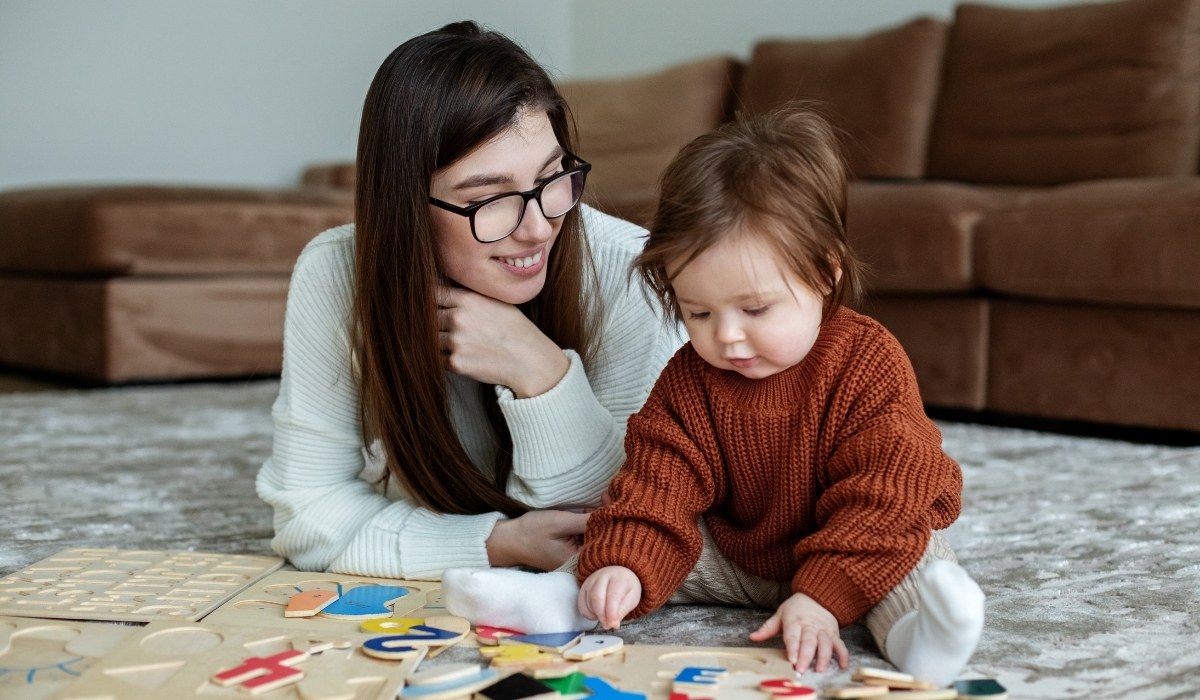
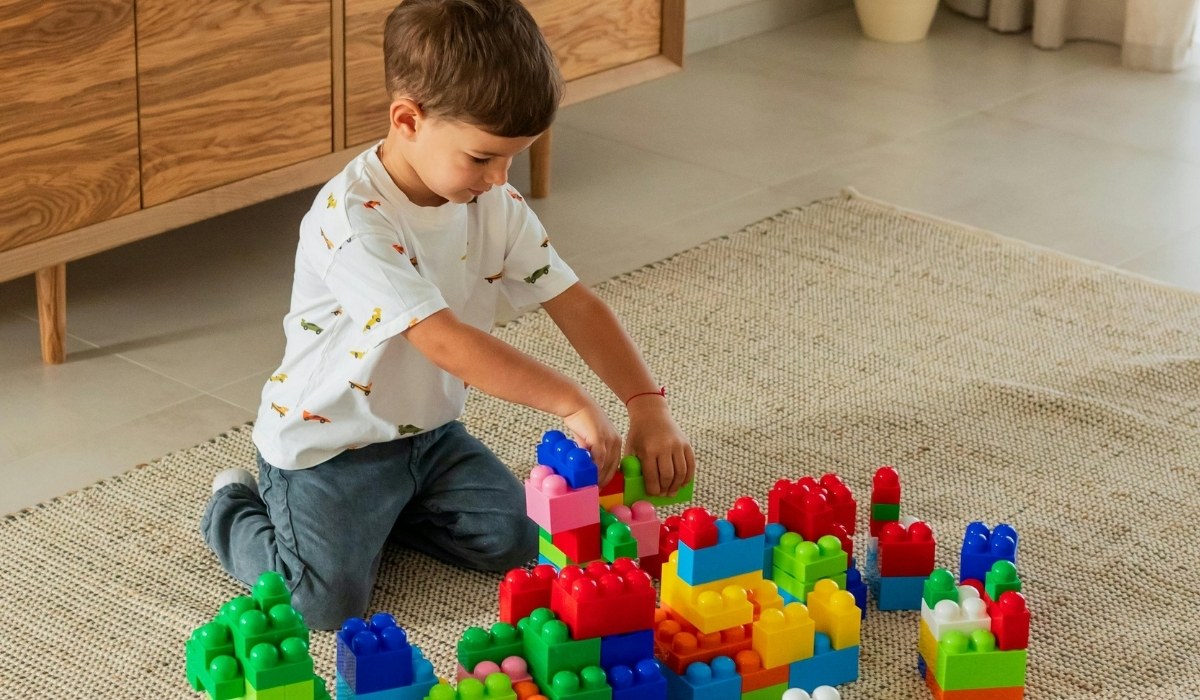
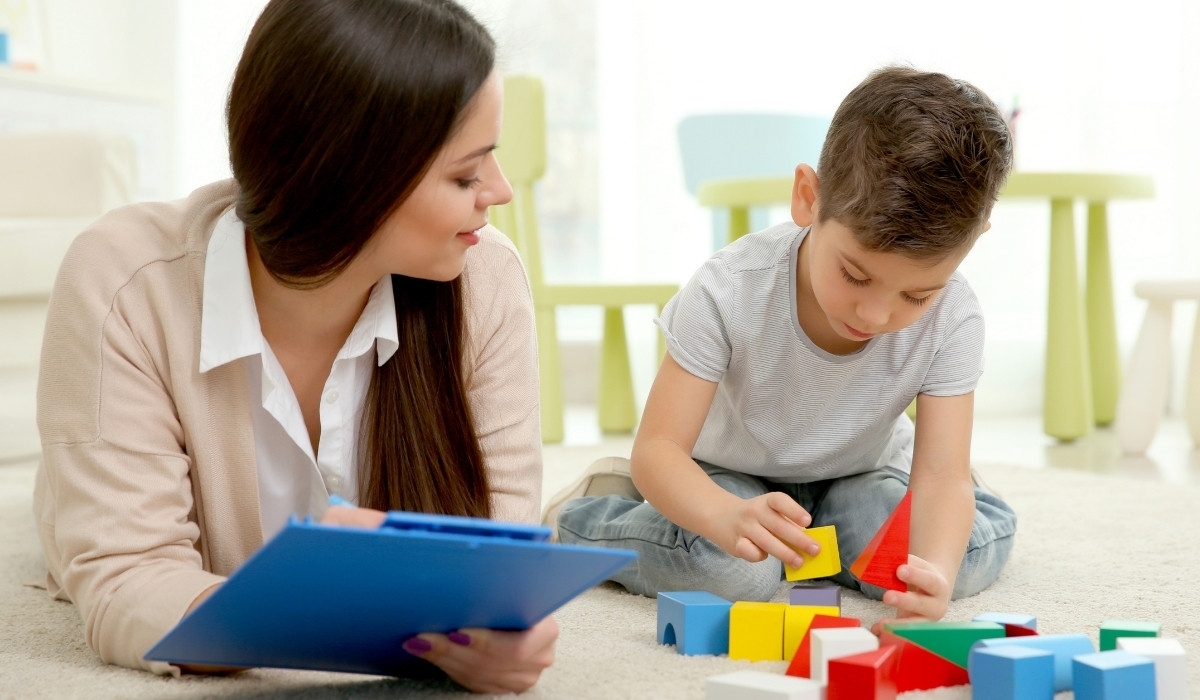
Building and Creative Play: Building toys encourage cooperation and shared attention. Construct towers or houses together, take turns adding pieces, and celebrate playful 'crashes' and rebuild together. These interactions support turn-taking and joint problem solving.
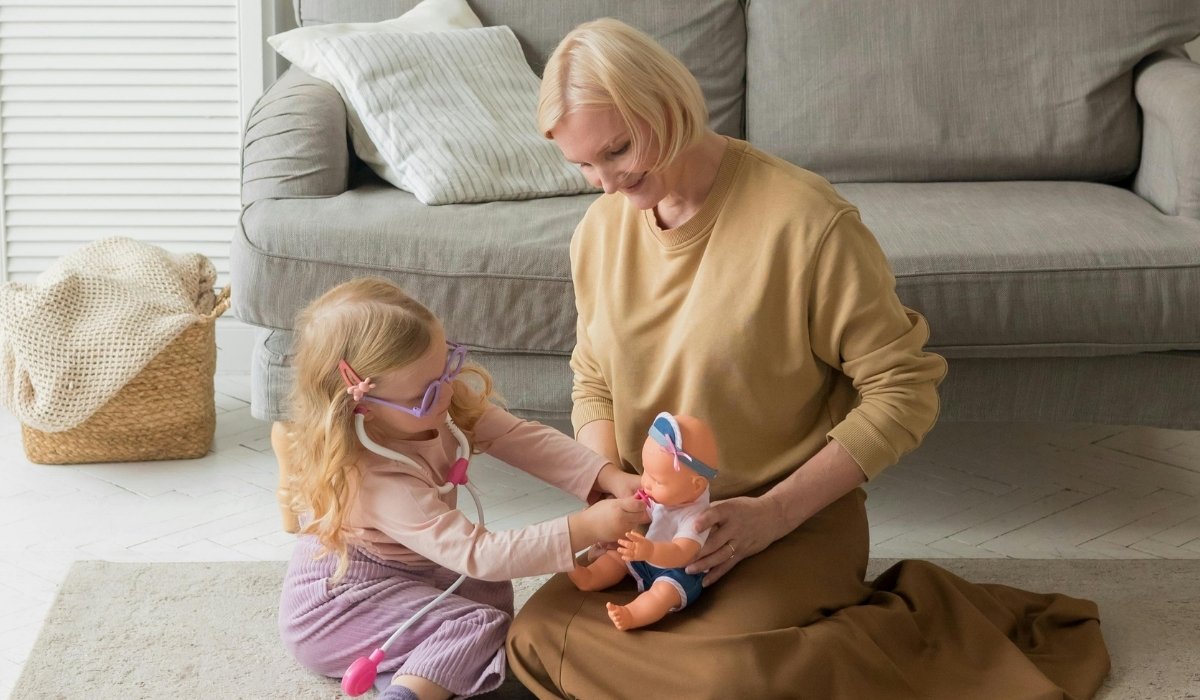
Pretend Play Adventures: Imaginative play encourages emotional expression. Create stories with action figures or dolls, pretend to run a restaurant or store, and act out simple adventures like space missions or treasure hunts. This type of play helps children explore emotions and communication.
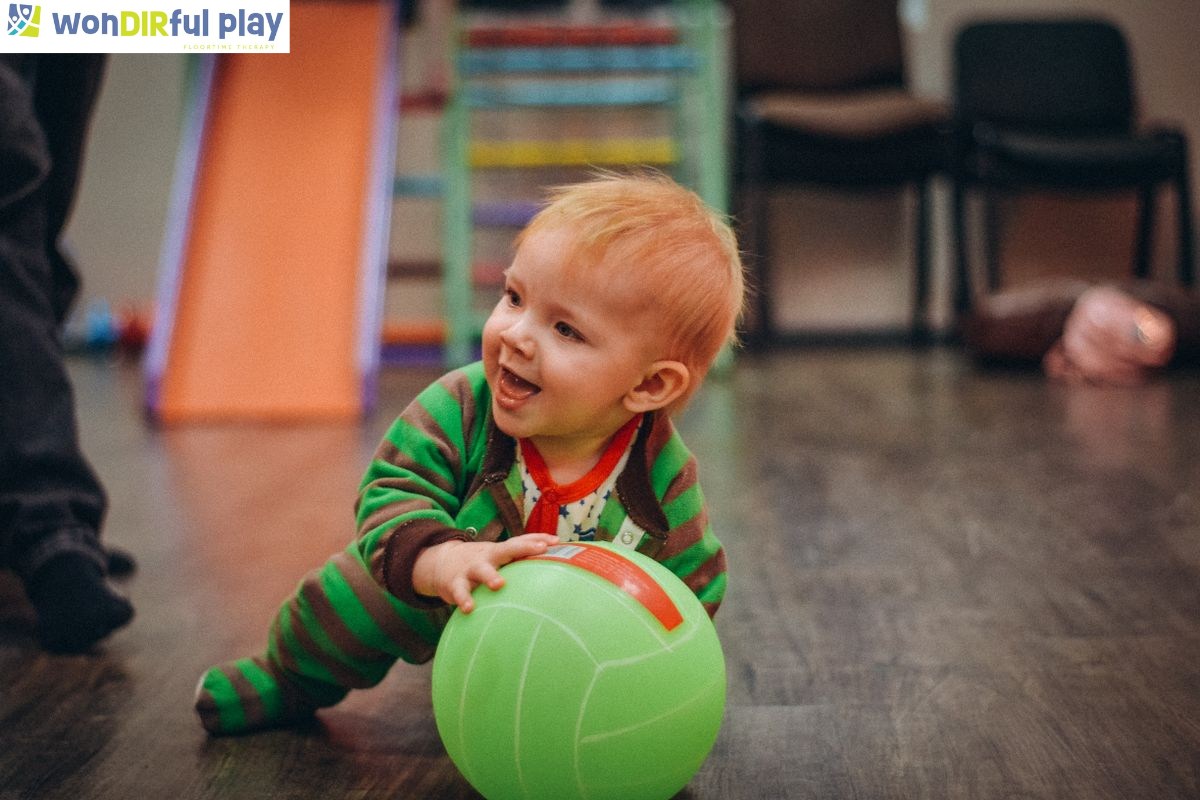
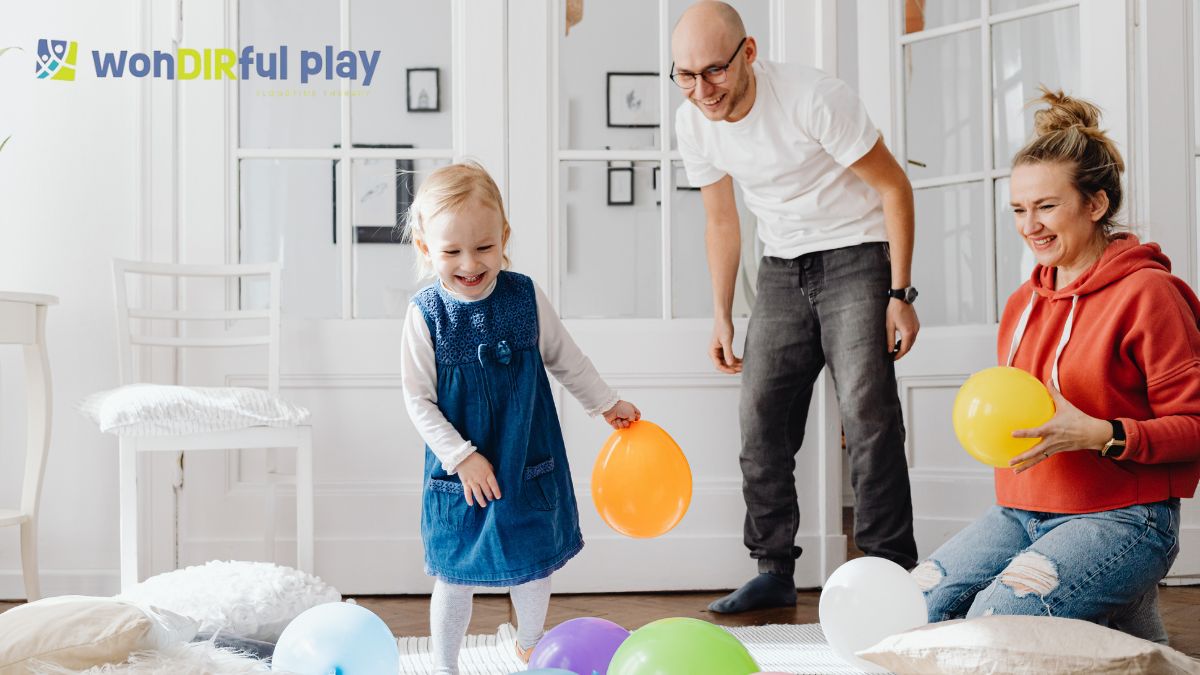
Movement-Based Games: Physical play helps many children stay engaged. Roll a ball back and forth, create obstacle courses, or play simple chase games. Movement activities often spark laughter and spontaneous interaction.
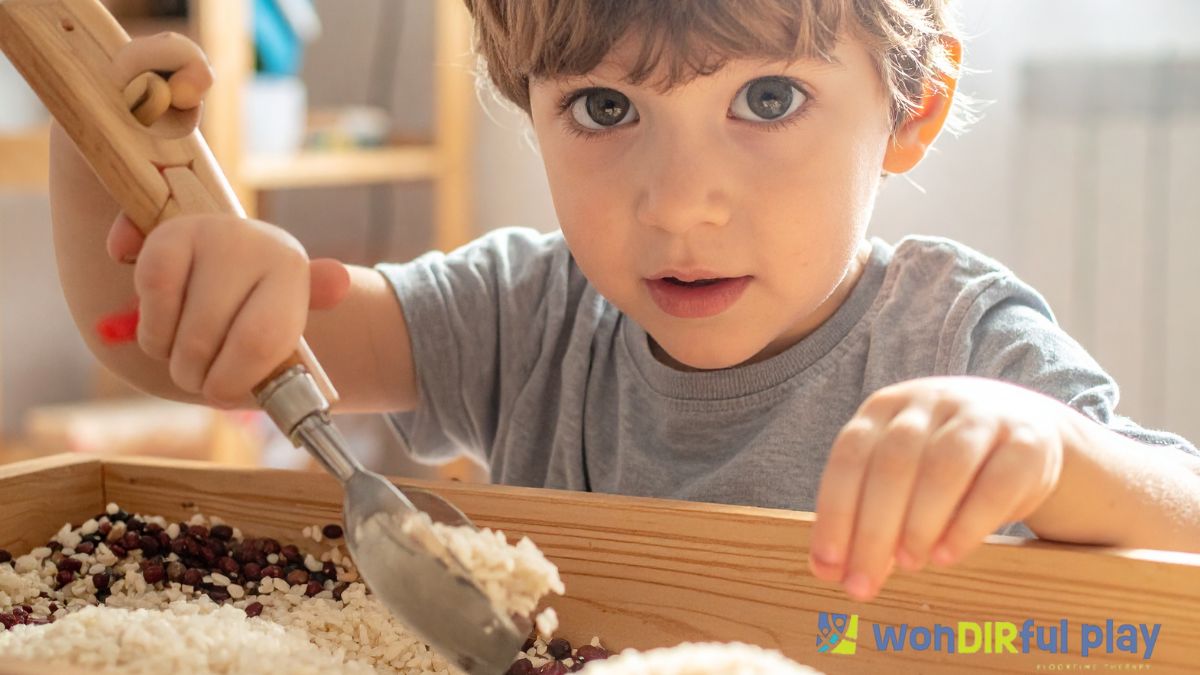
Everyday Activities as Floortime: Routine moments can become meaningful play. Cooking simple snacks together, building pillow forts, or playing music and dancing. These shared experiences strengthen connection and communication. The goal remains interaction, not perfection.
Supporting Emotional Balance for All Siblings
Families sometimes focus heavily on the needs of the child receiving therapy. Brothers and sisters may feel confused, overlooked, or unsure how to help.
Providing emotional support for siblings benefits the entire household. Research indicates that sibling support programs improve relationship quality and emotional well-being for children who have autistic siblings.
Parents can nurture healthy sibling relationships through these strategies: schedule individual time with each child, encourage open conversations about feelings, recognize the sibling's effort and patience, provide age-appropriate information about autism, and celebrate shared successes during play.
When siblings feel valued, they are more likely to participate positively in sibling play therapy for autism. Strong emotional support creates a healthier family environment for everyone.
Integrating Family Floortime Into Everyday Life
Families sometimes assume therapy requires a structured setting or scheduled sessions. In reality, many meaningful moments occur during ordinary daily routines.
Family Floortime sessions in Lakewood, NJ, and similar communities often encourage parents to integrate interaction into everyday life.
Simple habits can transform daily routines into connection opportunities. Try these ideas: spend ten minutes following your child's play before bedtime, invite siblings to join a favorite game or activity, use mealtime conversation as playful interaction, and turn household tasks into cooperative play.
Consistency matters more than duration. Frequent short interactions help children practice communication and emotional engagement.
Over time, these experiences strengthen family connections and support developmental progress.
Building Stronger Families Through Shared Play
-ink.jpeg)
DIRFloortime sibling involvement shifts therapy from a clinical setting into the heart of family life. Instead of separating treatment from daily routines, siblings help create playful opportunities for growth.
Children learn through connection. Shared laughter, imagination, and cooperation support emotional development in ways structured instruction cannot replicate.
Research consistently shows that family engagement improves communication, social skills, and emotional interaction for children receiving play-based interventions.
When siblings participate in Floortime, communication becomes more natural, emotional understanding grows, family relationships deepen, and play becomes a powerful learning tool.
This approach helps families move forward together, creating moments of joy, connection, and growth.
For many households seeking autism sibling support in New Jersey, shared play becomes the bridge that connects therapy, family life, and emotional well-being.
FAQs
Can siblings really help with DIRFloortime therapy?
Yes. Siblings create natural opportunities for play, communication, and emotional learning. Research shows sibling-mediated interactions can improve social skills and engagement for children on the autism spectrum.
At what age is it appropriate for siblings to participate in Floortime?
Children of many ages can join Floortime sessions. Younger siblings may engage through simple games, while older children can support imaginative play, conversation, and cooperative activities.
How often should siblings join Floortime play sessions?
Short daily interactions work well. Even ten minutes of shared play can build connection and communication. Consistent interaction matters more than long, structured sessions.
What if siblings feel frustrated during play?
Frustration can happen. Encourage breaks, validate feelings, and keep expectations flexible. Remind siblings that the goal is connection and fun rather than perfect play.
Do siblings need training to participate in Floortime?
Formal training is not required. Parents can guide siblings by encouraging them to follow their brother or sister’s interests, join in play naturally, and focus on shared enjoyment.
Turn Playtime Into Family Power: Invite Siblings Into the Floortime Circle
Floortime sessions often begin with a parent and child, yet many families discover that siblings can become powerful partners in connection and play. Including brothers and sisters creates opportunities for natural interaction, shared problem-solving, and joyful communication.
DIRFloortime sibling involvement encourages children to practice emotional thinking and cooperation in a familiar environment. With guidance, simple Floortime sibling activities can strengthen bonds and help siblings understand each other’s communication styles.
At WonDIRful Play, family participation is welcomed as part of the developmental process. If you are interested in sibling play therapy for autism or family Floortime sessions in Lakewood, NJ, our team can guide you through practical next steps.
Contact WonDIRful Play to learn how sibling involvement can strengthen connection and communication at home.
Recent articles

-ink.jpeg)
-ink.jpeg)
-ink.jpeg)
-ink.jpeg)
-ink.jpeg)
-ink.jpeg)
-ink.jpeg)
-ink.jpeg)
-ink.jpeg)


.jpeg)
.jpg)


.jpg)
-ink.jpeg)

.jpg)

-ink.jpeg)

-ink.jpeg)
-ink.jpeg)
.jpg)
.jpg)
-ink.jpeg)
-ink.jpeg)
-ink.jpeg)
.jpg)

-ink.jpeg)
-ink.jpeg)
-ink.jpeg)
-ink.jpeg)
-ink.jpeg)
-ink.jpg)
-ink.jpeg)
-ink.jpeg)
-ink.jpeg)
-ink.jpeg)
.jpg)
.jpg)
-ink.jpeg)
-ink.jpeg)
-ink.jpeg)
-ink.jpeg)
-ink.jpeg)
-ink.jpeg)
-ink.jpeg)
-ink.jpeg)
-ink.jpeg)
-ink.jpeg)
-ink.jpeg)
-ink.jpeg)
-ink.jpeg)
-ink.jpeg)
-ink.jpeg)
-ink.jpeg)
-ink.jpeg)
-ink.jpg)
-ink.jpeg)
-ink.jpeg)
-ink.jpeg)
-ink.jpeg)










With WonDIRfulPlay, growth feels effortless and joyful. Our DIR floortime therapy services in Lakewood, NJ focus on building emotional connections, communication, and social confidence while addressing sensory and behavioral challenges.
For compliance matters, please call 732-523-9070 or email compllance@wondirfulplay.com

