
In-Home DIR Floortime Therapy for Autism in New Jersey: What Parents Need to Know
May 4, 2026
Discover how in-home DIR Floortime therapy in NJ supports autistic children with expert home visits tailored to your child's needs.
-ink.jpeg)
Key points:
- In-home DIR Floortime therapy brings expert autism support directly to your child's natural environment, reducing stress and boosting engagement.
- A qualified DIR Floortime therapist in NJ follows your child's lead during play, building emotional and social skills at home.
- Home-based autism therapy in New Jersey is flexible, family-centered, and can work alongside school and center-based services.
If your child has been diagnosed with autism, finding the right therapy can feel overwhelming. One approach that has helped many families across New Jersey is in-home DIR Floortime therapy. Rather than requiring your child to travel to a clinic, a trained therapist comes directly to your home, where your child feels most comfortable. This setting makes it easier for children to open up, engage, and grow. This guide covers everything you need to know about how in-home autism therapy works in New Jersey, what to expect from sessions, and how to find the right support for your family.
What Is DIR Floortime and Why Does It Work at Home?
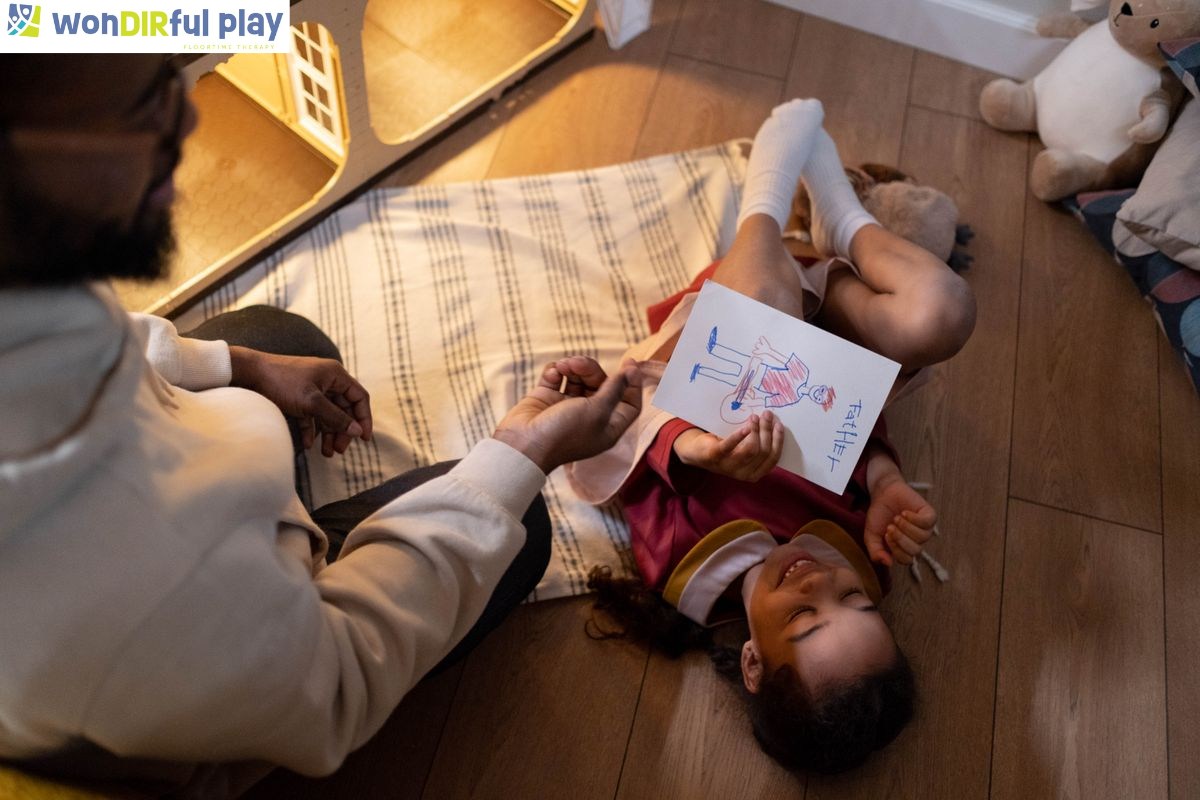
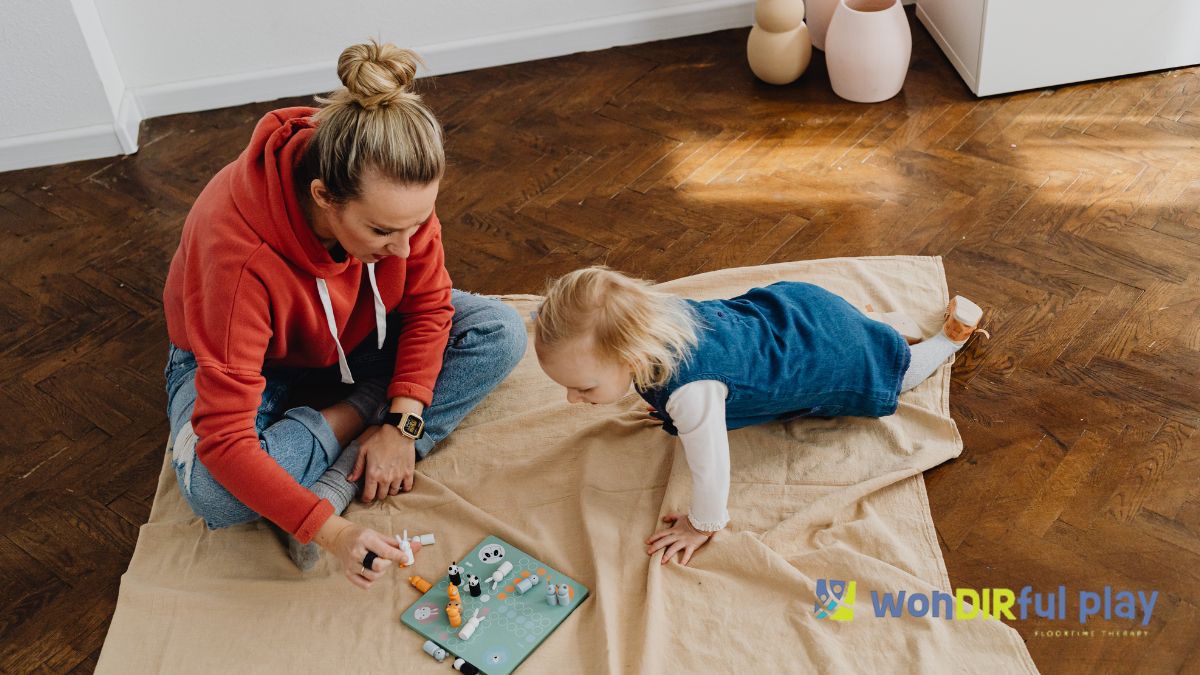
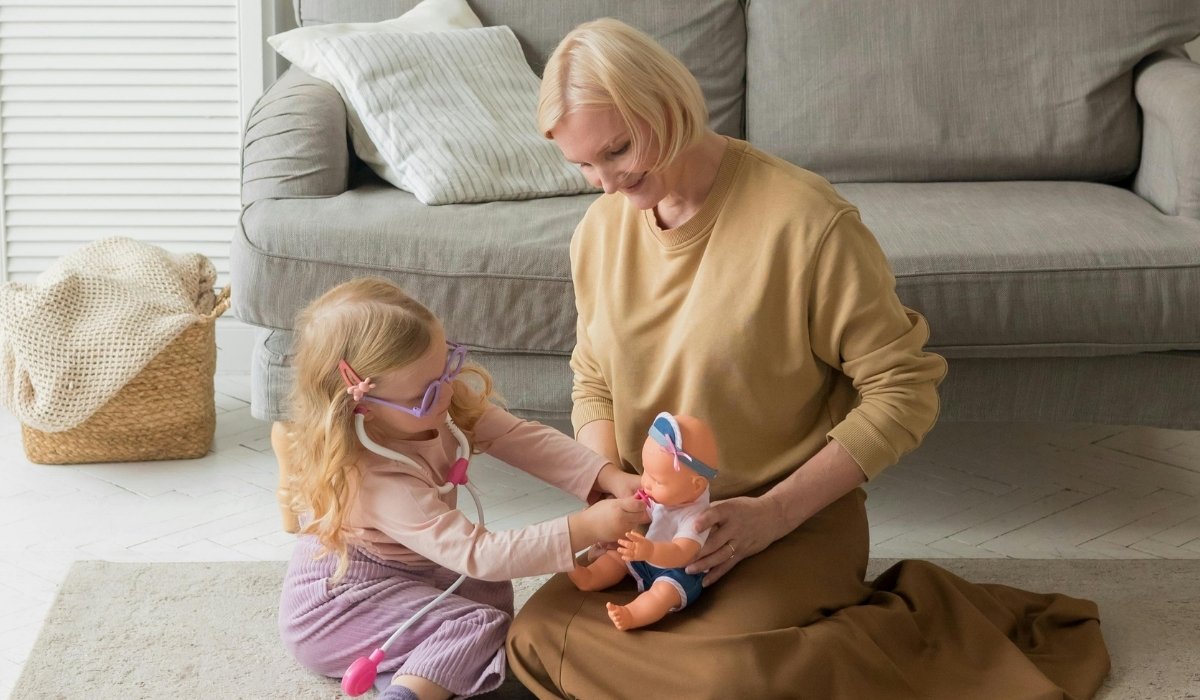
DIR stands for Developmental, Individual Differences, and Relationship-based. The Floortime component means the therapist literally gets on the floor and plays with your child, following your child's interests and emotional cues.
Unlike approaches that focus mainly on correcting behavior, DIR Floortime builds the foundation of connection first, then layers in communication and social skills naturally through play. You can learn more about the research and evidence behind this approach to understand why so many families trust it.
When sessions happen at home, the benefits go even further. Children with autism often struggle with transitions and new environments. Being in a familiar space lowers anxiety and allows the child to show who they really are, not just how they perform under pressure. Therapists also get to see how the child interacts with their actual toys, siblings, and routines, giving them a much richer picture of development.
Studies show that early, intensive, relationship-based intervention in naturalistic settings leads to better outcomes in communication and social participation. The home is as naturalistic as it gets.
What Happens During an In-Home DIR Floortime Session in NJ?
When you schedule an in-home floortime session in NJ, a trained therapist arrives at your home at an agreed time. Sessions typically last 60 to 90 minutes. Here is a general picture of what unfolds:
- The therapist observes your child's current mood, energy, and interests before diving in.
- Play begins with whatever captures your child's attention, whether that is blocks, pretend play, sensory materials, or movement.
- The therapist creates gentle moments of shared attention and back-and-forth interaction called 'circles of communication.'
- Parents are often present and may be coached on how to join in effectively.
- The therapist tracks your child's developmental milestones and adjusts activities to gently stretch new skills.
Sessions are never scripted. The power of DIR Floortime is that it meets the child exactly where they are on any given day. Some days, a child may be very engaged; other days, the therapist works on co-regulation and sensory calm. Both are valuable.
Who Provides In-Home Autism Therapy in New Jersey?
-ink.jpeg)
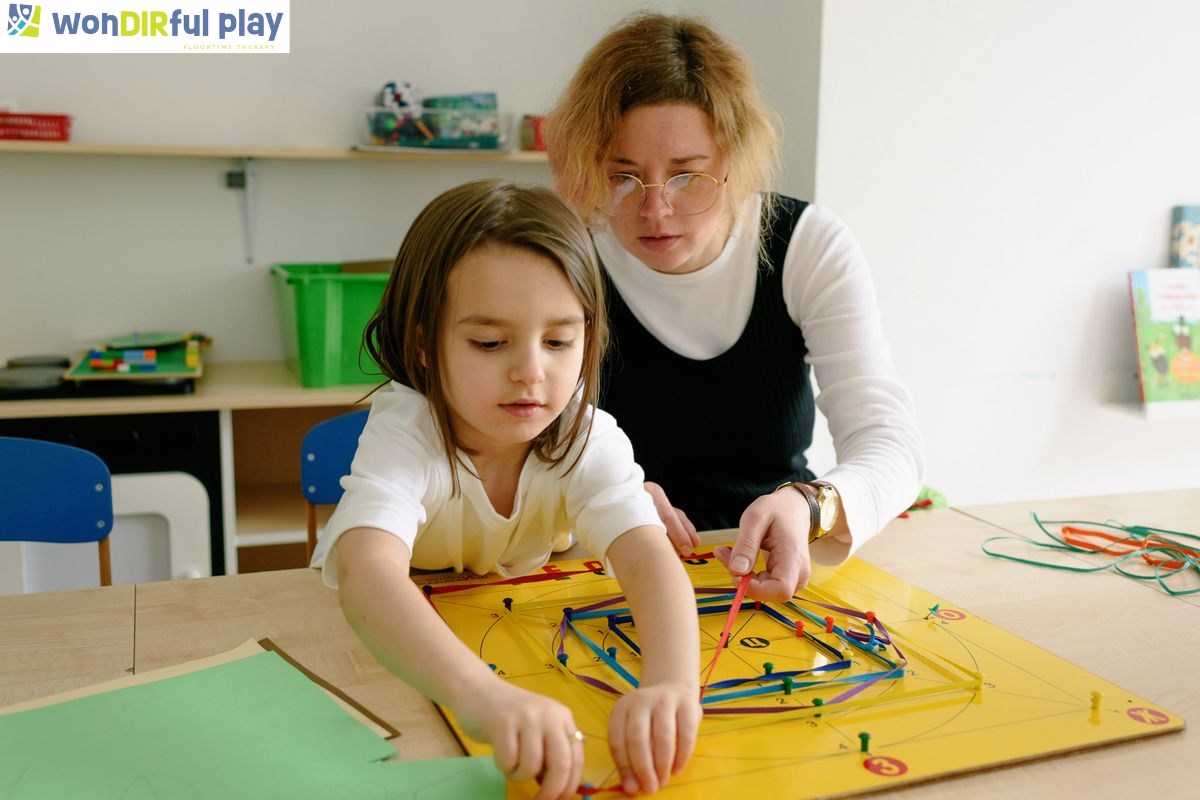
Finding the right person matters enormously. In New Jersey, qualified DIR Floortime therapists typically come from backgrounds in speech-language pathology, occupational therapy, psychology, or applied behavioral fields and have received additional training in the DIR model. When hiring a DIR Floortime therapist for home visits in NJ, look for:
- Certification or formal training through the Interdisciplinary Council on Development and Learning (ICDL) or a recognized DIR Floortime training program.
- Experience working specifically with children on the autism spectrum.
- Strong communication with families, including written updates after sessions.
- Willingness to involve parents actively, not just observe.
A good therapist will want to understand your family's routines, your child's specific strengths and challenges, and your goals. That collaborative spirit is central to this model's effectiveness.
Home-Based Autism Therapy in Lakewood, NJ, and Across the State
New Jersey is home to a growing network of providers who offer in-home play therapy for autism across towns like Lakewood, Toms River, Newark, Edison, and beyond. Families in suburban and rural areas especially benefit because they do not have to deal with long commutes to therapy centers. If you are in the New Jersey area, some providers can match your child with a trained therapist near you.
Lakewood, in particular, has seen strong growth in autism support services. Families there have increasingly turned to home-based models because they allow therapy to blend into daily life rather than interrupt it. Morning routines, snack time, and play in the backyard can all become therapeutic moments when a skilled DIR therapist is guiding the interaction.
How In-Home Therapy Supports the Whole Family
One of the most underrated advantages of in-home autism therapy in New Jersey is the impact it has on parents and siblings. When a therapist is right there in your living room, you naturally start to absorb strategies.
You see firsthand how to follow your child's lead, how to expand a moment of joint attention, and how to respond when your child becomes overwhelmed. Many providers include a parent coaching component as part of the home-based program, giving you tools you can use all day, not just during sessions.
Siblings also benefit. When they watch a therapist model warm, playful, non-judgmental interaction, they often begin to mirror those approaches naturally. This creates more positive interactions between siblings at home, which extends the gains made in therapy.
In-Home vs. Center-Based DIR Floortime: Which Is Better?
Many families ask whether they should choose in-home or center-based therapy. The honest answer is that both can be valuable, and the best choice depends on your child and your family's life. When choosing a DIR Floortime therapy center, centers offer structured environments, peer interaction, and access to specialized equipment. Home-based therapy offers familiarity, convenience, and a naturalistic setting. Many children benefit from both, with home sessions reinforcing what is learned in center settings.
If your child has significant sensory sensitivities or struggles with transitions, starting with in-home therapy often makes sense. As the child grows more confident and regulated, adding center-based time can open new opportunities for social learning.
How to Get Started with In-Home DIR Floortime in New Jersey
-ink.jpeg)
The first step is reaching out to a provider who offers DIR Floortime services in NJ. You will typically go through an intake process that includes a phone consultation, an assessment of your child's developmental profile, and insurance verification. Many providers accept NJ Medicaid and private insurance plans.
Before your first session, it helps to think about what your biggest goals are. Are you hoping for better communication? Fewer meltdowns? More connection during play? Sharing those priorities with your therapist helps them tailor sessions from day one.
You can also read about how to prepare your child for their first DIR Floortime session to make the transition smooth and positive.
Frequently Asked Questions
How often should my child have in-home DIR Floortime sessions?
Most children benefit from two to five sessions per week, depending on their age and developmental needs. Frequency may change over time as goals are met.
Can in-home DIR Floortime be used alongside other therapies like speech or OT?
Yes. DIR Floortime works well alongside speech therapy, occupational therapy, and school-based services. Many therapists coordinate to ensure consistent approaches across settings.
Will my insurance cover in-home autism therapy in New Jersey?
Many NJ insurance plans cover home-based autism therapy when deemed medically necessary. Your provider will help verify benefits and navigate prior authorization requirements.
Do I need to be present during sessions?
Yes, parents are encouraged to observe and participate. Your involvement is a key part of what makes DIR Floortime effective, and it helps you carry strategies forward into daily life.
At what age should in-home DIR Floortime therapy begin?
Early intervention is most effective, and many children begin as young as two or three years old. That said, DIR Floortime can be adapted for older children and adolescents as well.
Bring Growth Home Through Play: Explore In-Home Floortime Support Across New Jersey
Families seeking meaningful progress often look for care that fits naturally into daily life. In-home DIR Floortime therapy in NJ offers a setting where children feel comfortable, allowing engagement and communication to grow through familiar routines. Rather than removing a child from their environment, therapists join them where learning already happens.
With in-home autism therapy in New Jersey, sessions focus on shared play, emotional connection, and developmental progress. A DIR Floortime therapist home visit in NJ creates opportunities to support regulation, interaction, and flexible thinking step by step.
At WonDIRful Play, parents exploring home-based autism therapy in Lakewood, NJ, can learn how personalized sessions build skills through connection.
If you are ready to hire a DIR Floortime therapist at home in NJ or schedule an in-home Floortime session in NJ, our team is here to guide you.
Recent articles





-ink.jpeg)
-ink.jpeg)
-ink.jpeg)
-ink.jpeg)
-ink.jpeg)
-ink.jpeg)
-ink.jpeg)
-ink.jpeg)
-ink.jpeg)


.jpeg)
.jpg)



.jpg)
-ink.jpeg)

.jpg)

-ink.jpeg)

-ink.jpeg)
-ink.jpeg)
.jpg)
.jpg)
-ink.jpeg)
-ink.jpeg)
-ink.jpeg)
.jpg)

-ink.jpeg)
-ink.jpeg)
-ink.jpeg)
-ink.jpeg)
-ink.jpeg)
-ink.jpg)
-ink.jpeg)
-ink.jpeg)
-ink.jpeg)
.jpg)
.jpg)
-ink.jpeg)
-ink.jpeg)
.jpg)
-ink.jpeg)
-ink.jpeg)
-ink.jpeg)
-ink.jpeg)
-ink.jpeg)
-ink.jpeg)
-ink.jpeg)
-ink.jpeg)
-ink.jpeg)
-ink.jpeg)
-ink.jpeg)
-ink.jpeg)
-ink.jpeg)
-ink.jpeg)


-ink.jpeg)

-ink.jpg)
-ink.jpeg)

-ink.jpeg)
-ink.jpeg)
-ink.jpeg)

















With WonDIRfulPlay, growth feels effortless and joyful. Our DIR floortime therapy services in Lakewood, NJ focus on building emotional connections, communication, and social confidence while addressing sensory and behavioral challenges.
For compliance matters, please call 732-523-9070 or email compllance@wondirfulplay.com

