
How Does Play Improve Children's Intellectual Development?
September 23, 2026
How does play help kids think, reason, and learn? A look at what the research actually shows about play and intellectual growth.
.jpg)
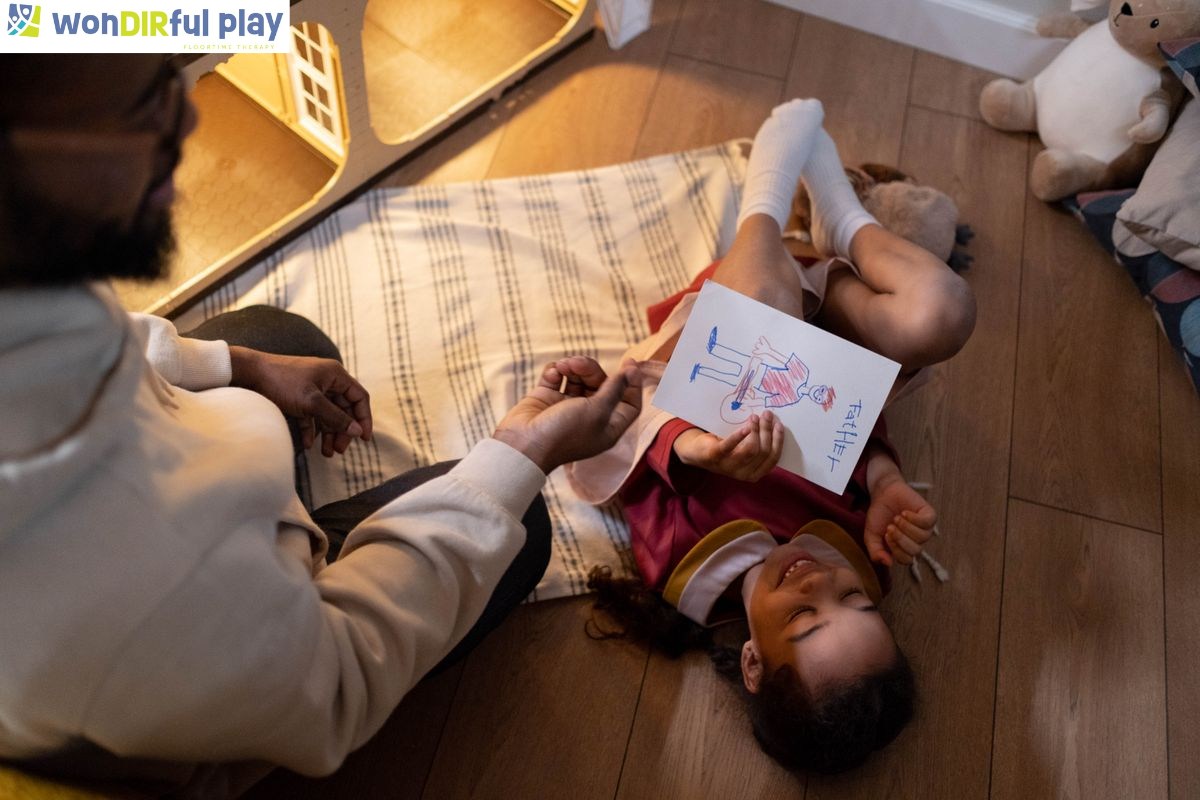
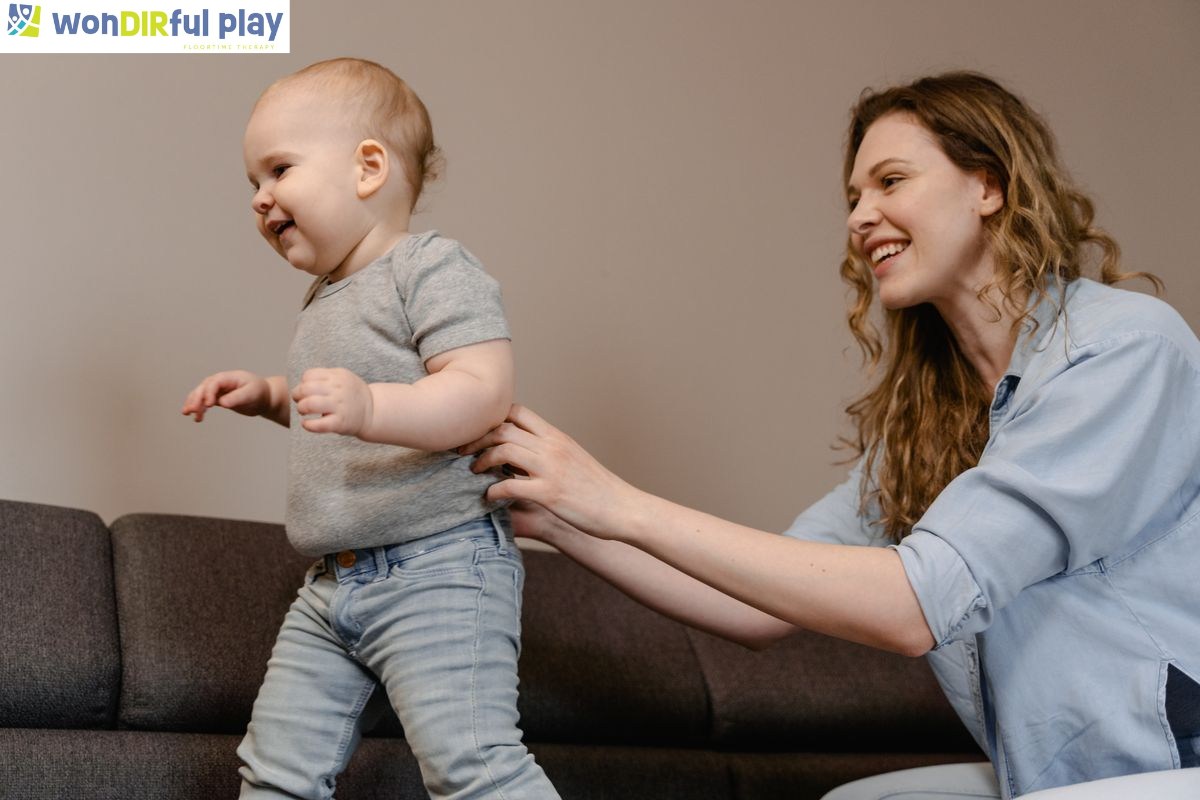
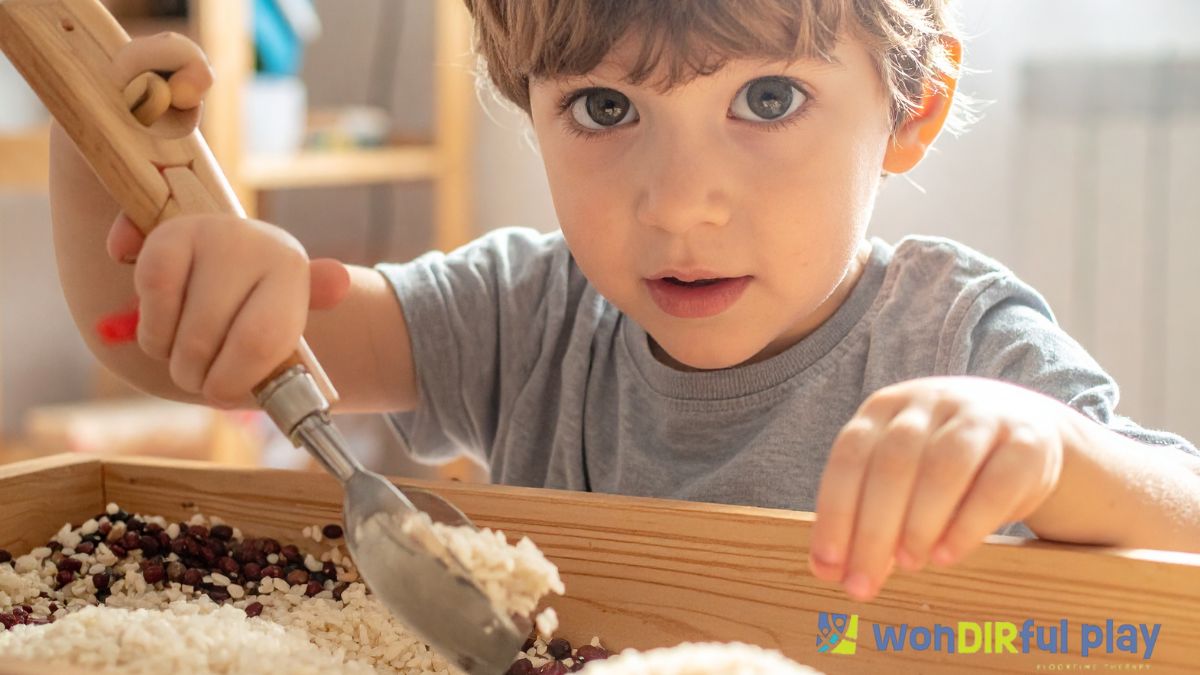
A kid stacking blocks or arguing with a sibling over whose turn it is to be the dragon doesn't look like "intellectual development" in progress. But that's exactly what's happening. Play gives children repeated, low-pressure chances to practice thinking, problem-solving, and language, the same skills they'll need for school and everyday life.
Here's what intellectual development through play actually looks like, and what current research does and doesn't support.
What "Intellectual Development" Actually Means
Intellectual development covers how a child thinks, reasons, remembers, and solves problems. It includes memory and attention, language and vocabulary, logical thinking, and creativity. It's not the same as IQ or academic performance alone. It's the underlying thinking ability that academic skills are eventually built on top of.
Play matters here because it's one of the few activities where a child is fully engaged, motivated, and repeating a skill over and over without being told to.
The Cognitive Benefits of Play

When children play, especially when they choose the activity themselves, their brains are forming and strengthening connections tied to memory, attention, and problem-solving. Researchers have consistently found that unstructured play, the kind where a child sets their own goals and rules, tends to support this kind of thinking more than tightly directed activities do.
A few cognitive skills that show up consistently during play:
- Working memory: Holding onto rules, turns, or a storyline while playing a game exercises the same memory system kids use to follow multi-step instructions at school.
- Attention and focus: Sticking with a puzzle or building project builds the ability to concentrate on a single task without giving up.
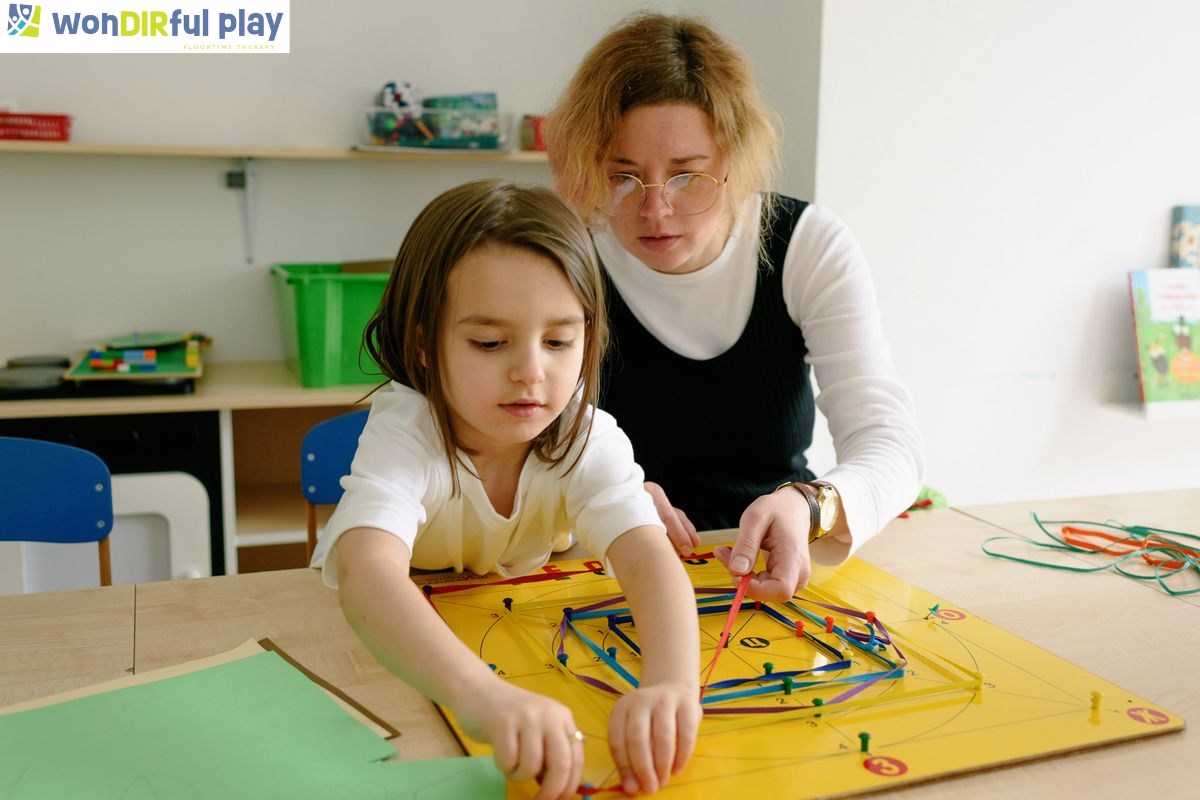
- Problem-solving: Figuring out how to fit pieces together, get a toy unstuck, or win a game requires trial and error, which is exactly how problem-solving skills develop.
- Planning and sequencing: Deciding what to build first, or what happens next in a pretend story, practices the same planning skills needed for multi-step homework later on.
These aren't abstract benefits. A child who's had years of this kind of practice generally finds it easier to follow instructions, stick with a hard problem, and think through a task before diving in.
What the Research Actually Shows
A lot of articles claim play "boosts intelligence" or "builds executive function" as a settled fact. The real research is more careful than that. A widely cited 2013 review in Psychological Bulletin looked closely at decades of studies on pretend play specifically, and found the evidence for a direct causal boost to executive function, reasoning, and creativity was weaker and more inconsistent than commonly assumed.
That doesn't mean play doesn't matter. A more recent 2023 paper in Developmental Review offers a better explanation: play doesn't magically install new thinking skills, it gives children repeated, voluntary practice at specific skills like holding rules in mind, switching between ideas, and managing impulses, in a context where they're motivated to keep trying. That repeated practice, not some special property of play itself, is likely where the real benefit comes from.
The practical takeaway for parents is simple even if the science is nuanced: the more chances a child gets to practice thinking through problems on their own terms, the more that practice tends to pay off. Play just happens to be the setting where kids do this most often and most willingly.
Play's Role in Language Development
Play is also where a lot of language growth happens, and this part of the research is on much firmer ground. During play, kids talk, narrate, negotiate, and try out new words in context, which is a stronger way to build vocabulary than passive listening.
A few ways this shows up:
- Vocabulary building: New words tend to stick better when they come up naturally during an activity a child cares about, rather than from flashcards.
- Sentence structure: Acting out a scene or explaining a game to a friend pushes kids to form complete sentences and organize their ideas out loud.
- Listening skills: Cooperative play requires actually listening to what another child says and responding to it, not just waiting for a turn to talk.
- Social language norms: Turn-taking, polite requests, and reading another child's reaction all get practiced constantly during play, more than in most adult-directed lessons.
Social and Emotional Growth Through Play
Play is also where kids get most of their early practice at managing other people and their own emotions. Group play in particular forces skills that are hard to teach directly:
- Cooperation: Working toward a shared goal, like finishing a group game, teaches teamwork in a way that sticks.
- Empathy: Play with peers requires paying attention to how someone else is feeling, especially when a game isn't going their way.
- Conflict resolution: Disagreements during play are usually a child's first real practice at working out a disagreement without an adult stepping in immediately.
- Understanding rules and fairness: Following (and enforcing) the rules of a game builds an early sense of fairness that carries into how kids treat each other elsewhere.
Emotional regulation gets built here too. Losing a game, waiting for a turn, or getting frustrated when a tower falls over are all small, repeated opportunities for a child to practice handling big feelings in a low-stakes setting, long before they're expected to handle bigger frustrations calmly.
Creativity and Imagination
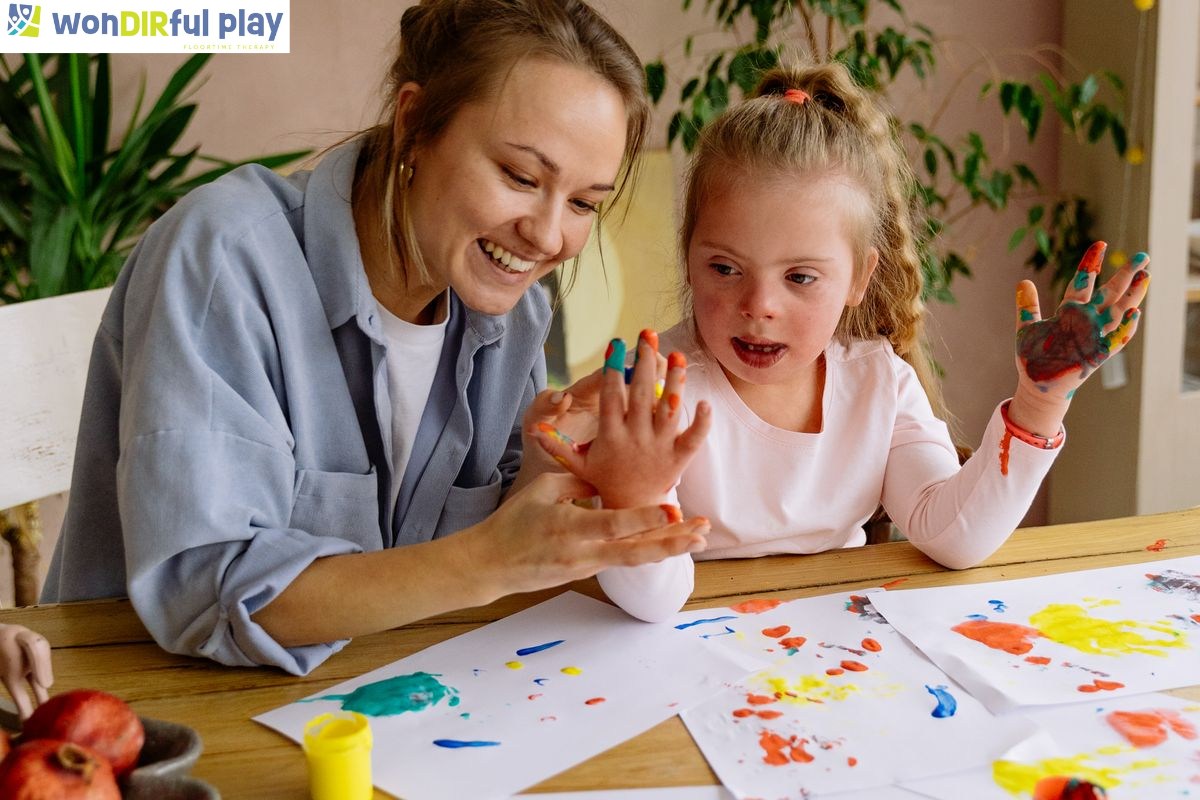
Pretend play is where creativity gets the most obvious workout. When a child turns a cardboard box into a spaceship or invents a whole backstory for a stuffed animal, they're practicing the same flexible thinking that later helps with open-ended problems that don't have one clear answer. Play centered on parallel play in younger or autistic children can look different from this kind of shared pretend play, but it builds toward the same skills over time.
A few specific things creative play tends to build:
- Imaginative scenarios: Playing house or acting out a made-up story helps kids generate and test out ideas.
- Exploration: Trying different materials or approaches, even ones that don't work, builds comfort with experimentation.
- Flexibility: Games where the rules or roles keep changing teach kids to adapt on the fly instead of getting stuck.
- Artistic expression: Drawing, building, and other open-ended activities give kids a way to express ideas they don't have words for yet.
Physical Play and Brain Development
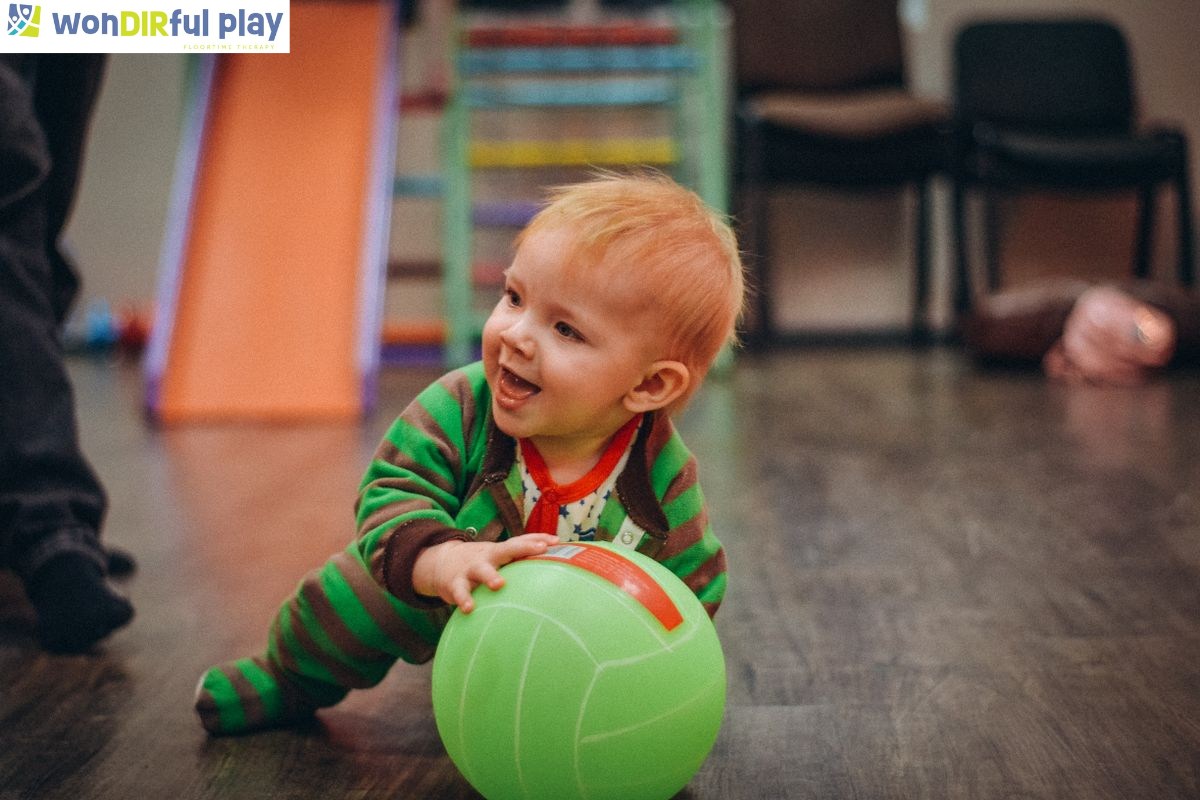
Physical play matters here too, and not just for fitness. Running, climbing, and other active play increase blood flow to the brain and support the same networks involved in attention and memory. Kids who get regular active play tend to concentrate better afterward, not worse, which is part of why recess and movement breaks matter for learning, not just for burning energy.
A few specific links between physical play and thinking:
- Motor skills support other learning. Fine and gross motor coordination, the kind built through everyday fine motor activities, lay groundwork for tasks like writing and using tools.
- Movement supports focus. Physical activity has a well-documented short-term effect on attention and concentration in kids.
- Active play lowers stress. Kids who get to move regularly tend to self-regulate better, which frees up mental energy for harder tasks.
Structured and Unstructured Play Both Matter
Not all play works the same way, and kids benefit from both kinds.
Structured play, like board games or organized sports, teaches kids to follow rules, wait their turn, and work toward a specific goal. It's a good setting for practicing self-discipline and teamwork.
Unstructured play, like free time with blocks or outdoor exploration with no set plan, is where independence and creativity get the most room to grow. Kids make their own decisions here, which is exactly the kind of low-stakes decision-making practice that builds confidence over time.
Most children benefit from a mix of both rather than heavy leaning on one or the other. If a child's schedule is packed with structured activities and short on time to just play with no agenda, that's often worth rebalancing.
Frequently Asked Questions
How much unstructured play does a child actually need?
There's no single magic number, but pediatric guidance generally points toward daily, regular blocks of unstructured play, not just occasional free time squeezed between scheduled activities. What matters more than the exact minutes is that the child gets to choose the activity and direct it themselves.
Does screen-based play offer the same benefits as physical or pretend play?
Not in the same way. Interactive, hands-on play involves more sensory input, movement, and real social interaction than most screen-based activities, all of which are part of what makes play valuable for development. Screens aren't harmful in moderation, but they don't substitute for hands-on and social play.
At what age does play matter most for intellectual development?
Play matters across childhood, but early childhood, roughly ages two through seven, is when a lot of foundational thinking and language skills are still forming and most responsive to this kind of practice. That said, older kids and even teens continue to benefit from unstructured play and games, just in different forms.
Learn More About DIR Floortime Therapy Today
Play is the foundation of how children learn to think, communicate, and connect, which is exactly why it's also the foundation of DIR Floortime therapy. If your child could use extra support building these skills, our team works with families across New Jersey to turn everyday play into real developmental progress. For a closer look at how we build this into practice, see our guide to play-based learning, or reach out to us directly with any questions.
Recent articles


.jpg)
.jpg)



.jpg)






.jpg)

-ink.jpeg)
-ink.jpeg)
-ink.jpeg)
-ink.jpeg)
-ink.jpeg)
-ink.jpeg)
-ink.jpeg)
-ink.jpeg)
-ink.jpeg)


.jpeg)

.jpg)
-ink.jpeg)

.jpg)

-ink.jpeg)

-ink.jpeg)
-ink.jpeg)
.jpg)
.jpg)
-ink.jpeg)
-ink.jpeg)
-ink.jpeg)
.jpg)

-ink.jpeg)
-ink.jpeg)
-ink.jpeg)
-ink.jpeg)
-ink.jpeg)
-ink.jpg)
-ink.jpeg)
-ink.jpeg)
-ink.jpeg)
-ink.jpeg)
.jpg)
.jpg)
-ink.jpeg)
-ink.jpeg)
.jpg)
-ink.jpeg)
-ink.jpeg)
-ink.jpeg)
-ink.jpeg)
-ink.jpeg)
-ink.jpeg)
-ink.jpeg)
-ink.jpeg)
-ink.jpeg)
-ink.jpeg)
-ink.jpeg)
-ink.jpeg)
-ink.jpeg)
-ink.jpeg)
-ink.jpeg)


With WonDIRfulPlay, growth feels effortless and joyful. Our DIR floortime therapy services in Lakewood, NJ focus on building emotional connections, communication, and social confidence while addressing sensory and behavioral challenges.
For compliance matters, please call 732-523-9070 or email compllance@wondirfulplay.com

