
Sensory Activities for Autism That Pair With DIR/Floortime Therapy
July 3, 2026
Discover sensory activities for autism that pair with DIR/Floortime. Easy ideas for tactile, visual, and movement play at home.
-ink.jpeg)
Key Points
- Sensory activities for autism blend perfectly with Floortime play. Together, they support engagement, calm, and skill growth at the same time.
- Your child's sensory profile shapes which activities feel good. Some seek input; others avoid it. Match the play to your child's needs.
- Simple home items make great tools. Beans, water, rice, and dough turn everyday spaces into rich sensory play zones.
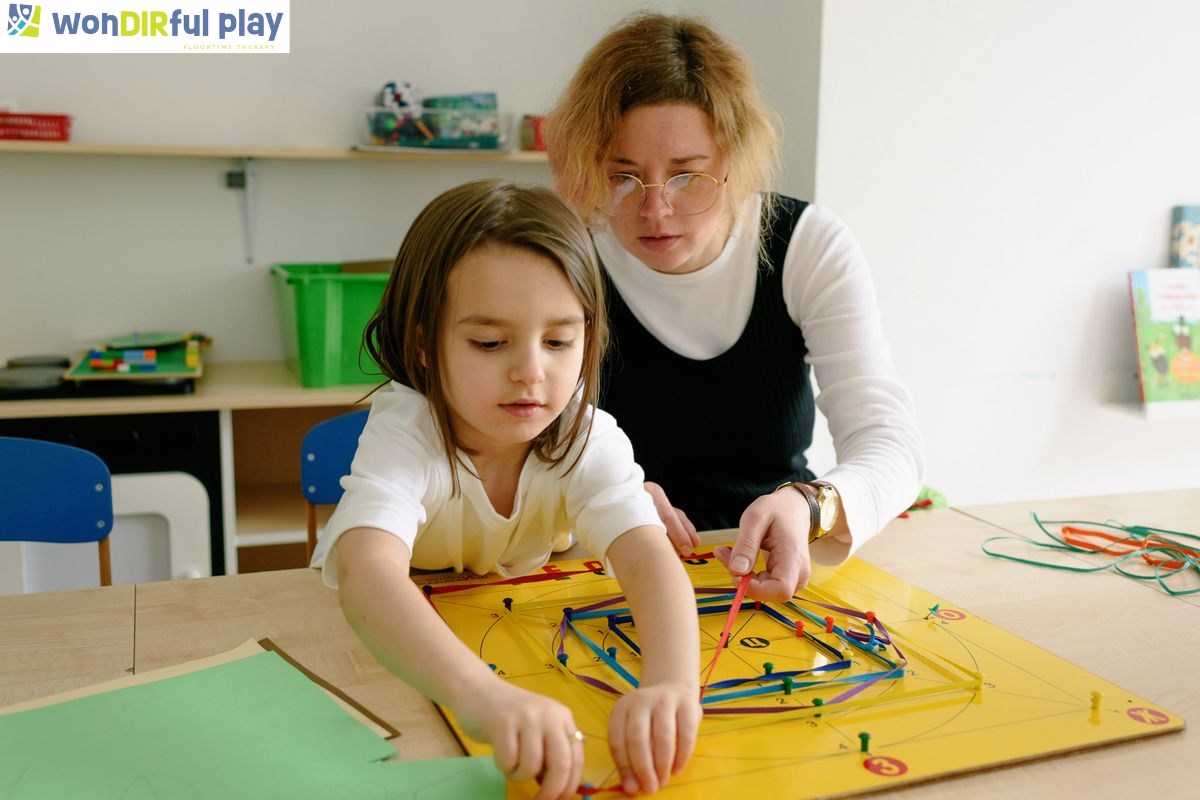
Sensory play and Floortime fit together like puzzle pieces. Many kids on the spectrum process sensory input in unique ways. Some crave deep pressure or movement. Others shut down with too much noise or light. Sensory activities for autism give your child the right input at the right time, which often opens the door to deeper engagement and connection.
This guide brings together practical sensory ideas you can use today, all built to support DIR/Floortime therapy. You'll find tactile, visual, movement, and calming activities. Each one supports a different part of growth. Mix and match based on what your child loves and needs.
No need for fancy equipment. Most ideas use items you already own.
Why Sensory and Floortime Work So Well Together
Sensory needs and emotional connection are linked. A child who feels overwhelmed by sound can't engage in shared play. A child who craves movement can't sit still long enough for back-and-forth.
When you meet sensory needs first, Floortime sessions go much further.
Research on sensory integration within DIR/Floortime shows that the two work hand in hand. Floortime is about meeting your child where they are. Sometimes "where they are" is sensory-driven. Honor that, and join them in it.
Common sensory profiles include:
- Seekers: crave input like spinning, jumping, and crashing
- Avoiders: shy away from loud noise, bright light, or sticky textures
- Sensitive responders: feel input strongly, even small touches or sounds
- Low registration: don't notice input quickly, may seem checked out
Knowing your child's sensory profile shapes which activities you pick. Watch their reactions and adjust as you go.
Tactile Play Ideas
Touch is one of the richest senses for early learning. Autism tactile play activities build awareness of the body, hands, and the world. They also calm or alert depending on what your child needs.
Sensory Bins
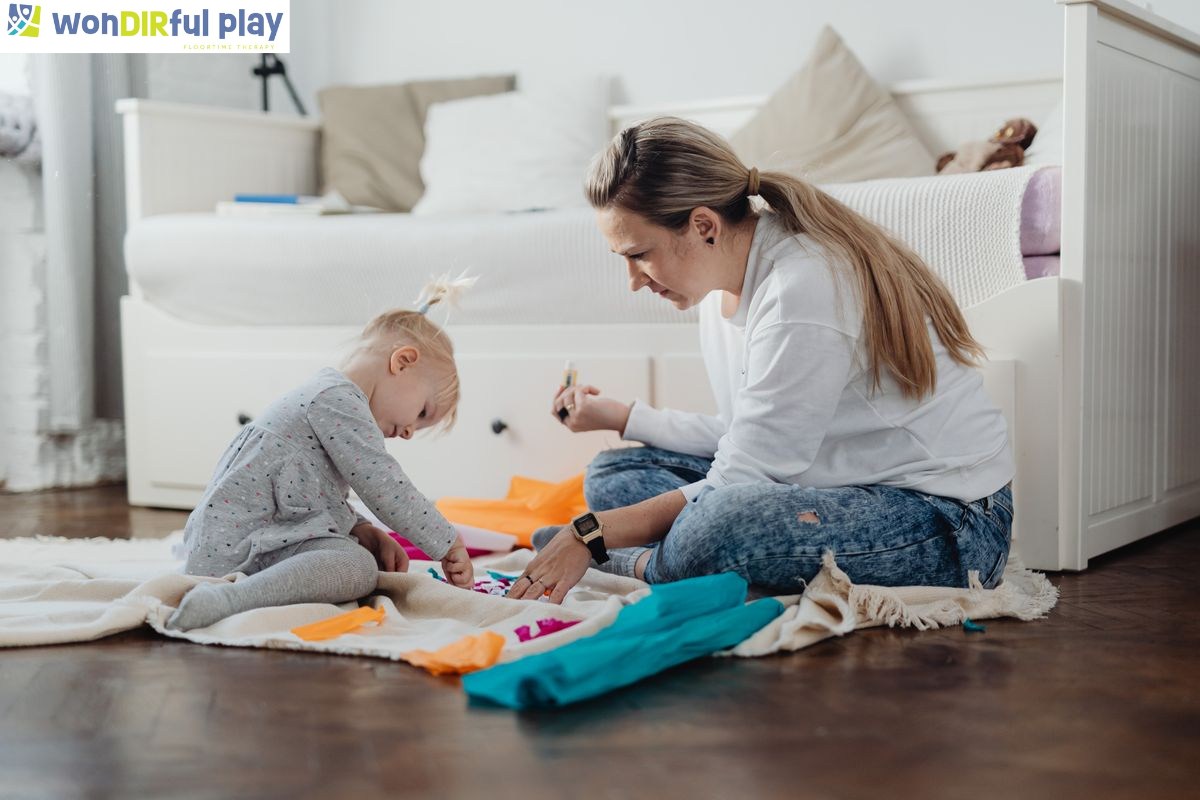
Fill a shallow tub with rice, dry beans, or kinetic sand. Hide small toys inside. Sit on the floor with your child and dig together. Pour, scoop, bury, find. Sensory bins for toddlers are versatile and last for ages.
Play-Dough Creations
Play dough offers deep touch, squeezing, and shaping. It builds hand strength too. Try an easy homemade dough recipe for a fresh batch at home. Add scents like vanilla or lemon for an extra layer of input.
Texture Hunts
Walk around the house with a small basket. Touch a soft pillow. A bumpy rug. A smooth window. Name each texture. Let your child explore at their own pace.
Water and Wet Play
Water has a magical calming effect on many kids. It's also great for joint movement and motor skills. Some of the best Floortime sensory exercises use water as the main tool.
Try these:
- Fill cups from a big tub, pour them out, repeat
- Add measuring spoons, funnels, and small bottles
- Drop in plastic animals or letters to find
- Use ice cubes for a fun temperature shift
- Add bubble soap for splashy fun
You can find more in this collection of water sensory play ideas. Stay close during water play and watch for signs of overload, like covering ears or shutting down.
Movement and Body Play
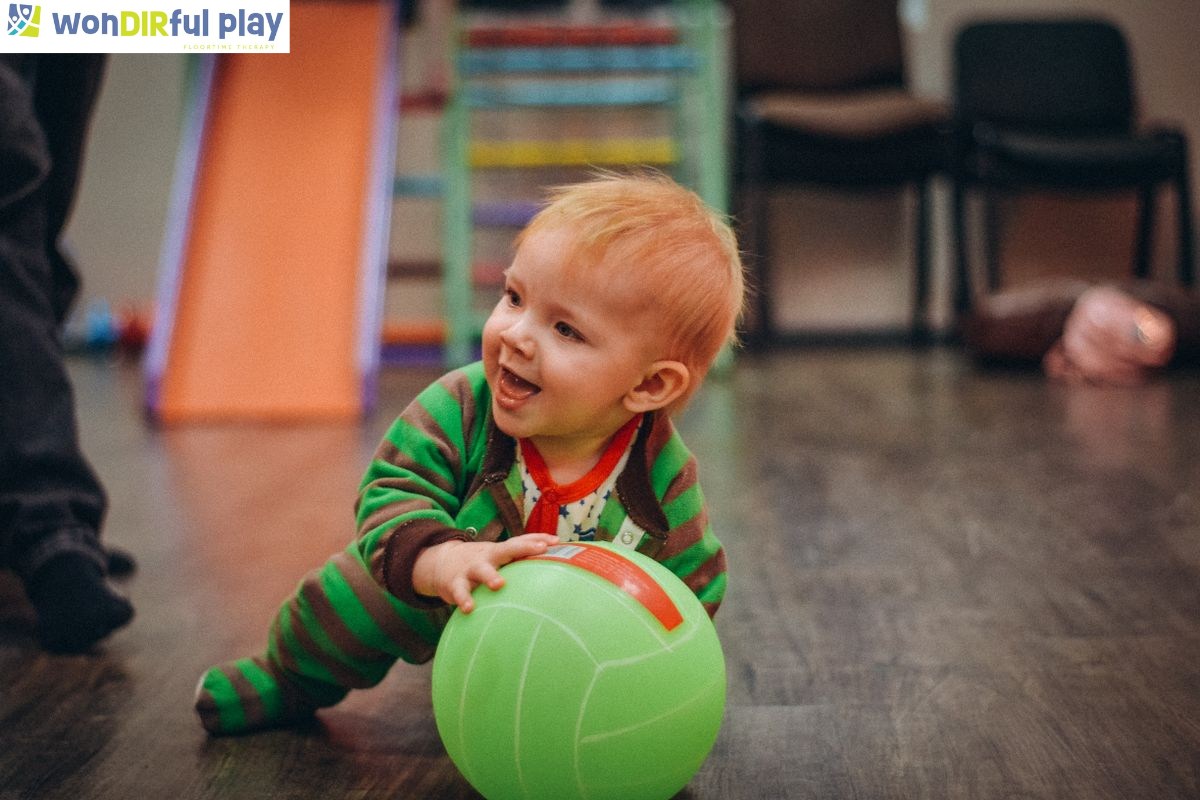
Big body movement is essential for kids who seek input. Sensory motor skills development happens when children move, balance, push, pull, and crash safely. These activities also boost mood and focus.
Try these movement ideas:
- Crash pad: Pile pillows and let your child jump and fall in
- Swing time: Use a backyard or therapy swing for slow, rhythmic input
- Tunnel crawl: Open a pop-up tunnel or string sheets between chairs
- Animal walks: Crawl like a bear, hop like a frog, stretch like a cat
- Wheelbarrow walks: Hold their legs while they walk on their hands
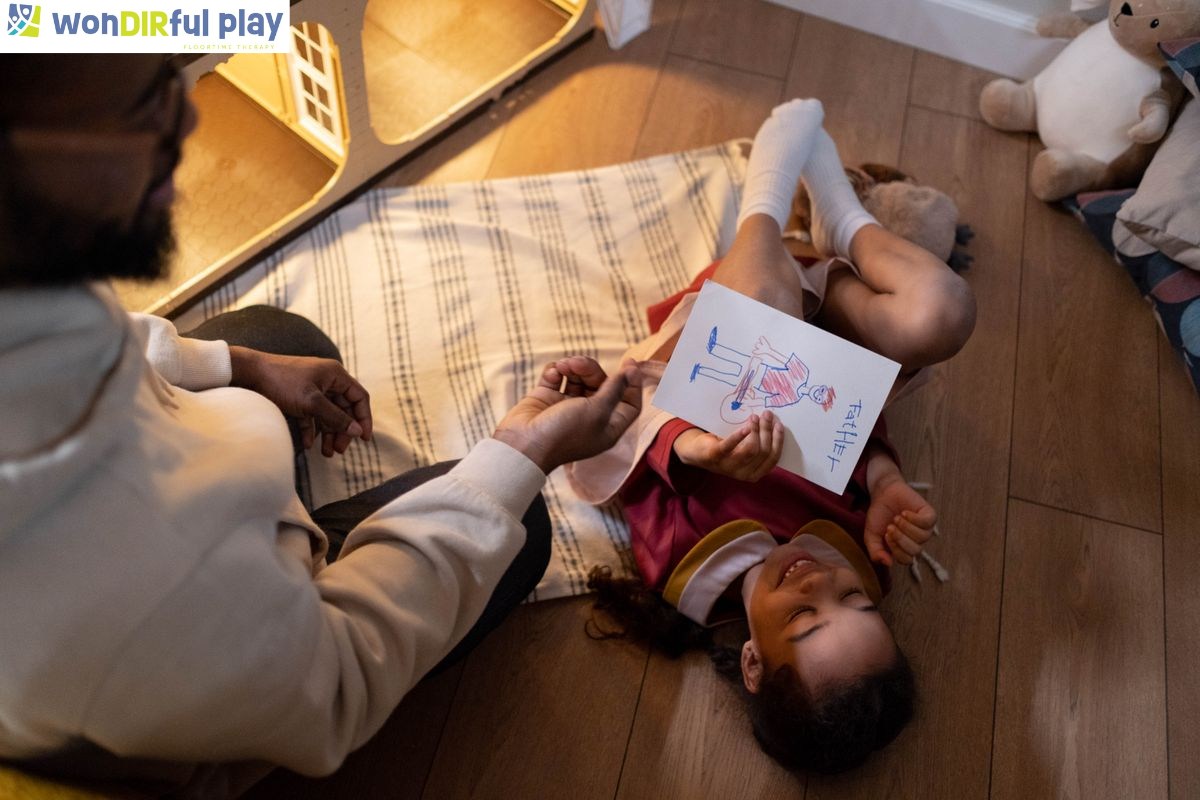
Build movement into sensory motor skills with Floortime by joining in. Crawl through the tunnel after them. Cheer when they crash. Make every move into a shared moment.
Visual and Auditory Play
-ink.jpeg)
Visual input draws attention. Auditory input shapes language. Both deserve gentle, intentional use.
Visual ideas:
- Light-up toys or sensory bottles with glitter and oil
- Flashlight games in a dim room
- Bubble blowing, slow and close to their face
- Watching a fish tank or aquarium video together
- Mirror play for face copying
Auditory ideas:
- Sing-songs and chants with a clear rhythm
- Drum on pots and pans together
- Use shakers, bells, or chime sticks
- Echo each other's sounds for vocal play
- Read board books with pauses for sound effects
These multisensory learning activities layer in early language and shared attention while feeding sensory needs. Mix gently, and watch for signs of overstimulation. Read more on avoiding sensory overload to keep things balanced.
Calming Sensory Activities for Tough Moments
Some sensory play calms an upset child. Other types pump them up. Knowing which is which helps you guide your child through hard moments. DIR therapy for sensory integration builds this skill over time.
Calming options:
- Weighted blanket or lap pad
- Slow, rhythmic swinging
- Deep pressure hugs or squishes
- Warm bath with dim lights
- Quiet jar with floating glitter to watch
You can also explore other methods for calming sensory overload that pair with Floortime. The right calming tools, used early, can prevent meltdowns and keep playtime joyful. They also support overall sensory motor skills development by helping your child stay in their just-right window.
Building a Daily Sensory Plan
A daily sensory plan, sometimes called a sensory diet, is a list of activities your child does throughout the day to stay regulated. It's not about food. It's about input.
A sample plan might include:
- Morning: Five minutes of jumping or animal walks
- Mid-morning: Tactile bin during free play
- Lunch: Crunchy foods for oral input
- Afternoon: Swing time or water play
- Evening: Warm bath and weighted blanket
A good sensory diet plan paired with Floortime keeps your child regulated and ready for connection. Each autism sensory stimulation idea session does double duty, supporting both calm and growth at the same time.
Families in Elizabeth, Trenton, and other NJ towns often work with an occupational therapist on a custom plan. The OT and Floortime therapist can coordinate for stronger results.
Matching Sensory Play to Your Child's Profile
Not every child needs the same sensory diet. Some kids seek input. They crash, jump, and crave loud sounds. Others avoid input. They cover their ears, refuse certain textures, and pull away from messy play. Most kids land somewhere in between, with seeking in some areas and avoiding in others.
Knowing your child's profile guides better choices. A child who seeks deep pressure may love bear hugs and weighted blankets. A child who avoids tactile input may need slow, dry introductions before touching wet textures. This is where targeted sensory processing support makes a real difference. The same activity can help one child calm down and overstimulate another.
- Seekers benefit from heavy work, swinging, jumping, deep pressure, and loud rhythmic sounds.
- Avoiders thrive with quiet spaces, soft lighting, predictable textures, and slow introductions to new input.
- Mixed profiles need flexible plans that shift through the day as needs change.
Want a deeper look at how to reduce overwhelm? Five ways to reduce sensory issues in autism offers practical starting points. Many parents also wonder if play-based work can really help. The answer, based on growing evidence, is yes. DIR/Floortime can address sensory issues when sessions are tuned to the child's profile.
Easy Sensory Themes for Each Season
Fresh themes keep sensory play exciting and prevent ruts. Pull from what the season offers, then mix in your child's favorites. These themes work for multisensory learning activities across ages and ability levels.
Spring
Plant seeds in cups, splash in puddles after rain, and smell fresh herbs. Soft music and birdsong outside add gentle auditory input. Try eight sensory play ideas for kids for spring-friendly options.
Summer
Water play shines now. Sprinklers, kiddie pools, frozen fruit, and sandy textures all work. Always supervise water carefully. Outdoor swings build vestibular skills.
Fall
Leaf piles, pumpkin scooping, apple picking, and crunchy textures pair well with cool air. These autism tactile play activities build sensory tolerance through joyful, brief moments.
Winter
Bring sensory work indoors with shaving cream play, warm rice bins, and fairy-light visuals. Snow play, if your area gets it, opens a whole new texture. Quiet sensory tents help during long indoor stretches.
Safety and Sensory Play
-ink.jpg)
Sensory play is fun but needs basic safety:
- Always supervise water play, even an inch of water
- Use age-safe materials for kids who still mouth toys
- Watch for allergies in dough, foods, and bins
- Set up movement play with soft landing zones
- Stop any activity that causes real distress
Tools like Floortime strategies used by NJ therapists can help you blend safety with sensory creativity. The goal is fun growth, never overwhelm.
FAQs
How often should we do sensory activities?
Most kids benefit from sensory play several times daily. Short, frequent sessions work better than long ones. The right rhythm grows from watching how your child reacts to sensory activities for autism.
Can sensory play replace therapy?
No. Sensory play supports therapy. It doesn't replace structured sessions with a trained therapist. The two together create the strongest growth path for kids on the spectrum.
What if my child hates a sensory material?
Respect that. Don't force it. Try a less intense version of the same input, like dry rice instead of sticky slime. Slow exposure over weeks helps far more than pushing through a strong "no."
Are sensory toys worth the money?
Some are great, like weighted blankets or therapy swings. Others are overpriced. Household items often work just as well. Start cheap and only invest in tools your child truly engages with.
How do I know if my child needs sensory support?
Signs include strong reactions to noise, light, textures, or movement. An occupational therapist can give a full evaluation. Daily autism tactile play activities paired with professional help often produce the best results.
Touch, Move, Grow: Sensory Play That Sparks Real Progress
WonDIRful Play blends sensory know-how with DIR/Floortime to help your child engage, calm down, and grow. Every child has a sensory story. Our team listens, observes, and builds play sessions that feed both connection and regulation, the two pillars of real progress.
Whether your child loves big movement, deep pressure, or quiet visual play, we shape sessions to match. Sensory exploration and Floortime build on each other, opening doors that neither could open alone.
Reach out to WonDIRful Play to see how a custom sensory-plus-Floortime plan can fit your family. Touch, move, grow, and watch your child find their stride one playful moment at a time.
Recent articles



.jpg)
.jpg)




.jpg)


.jpg)







.jpg)




-ink.jpeg)
-ink.jpeg)
-ink.jpeg)
-ink.jpeg)
-ink.jpeg)
-ink.jpeg)
-ink.jpeg)
-ink.jpeg)


.jpeg)


.jpg)
-ink.jpeg)

.jpg)

-ink.jpeg)

-ink.jpeg)
-ink.jpeg)
.jpg)
.jpg)
-ink.jpeg)
-ink.jpeg)
-ink.jpeg)
.jpg)

-ink.jpeg)
-ink.jpeg)
-ink.jpeg)
-ink.jpeg)
-ink.jpeg)
-ink.jpg)
-ink.jpeg)
-ink.jpeg)
-ink.jpeg)
-ink.jpeg)
.jpg)
.jpg)
-ink.jpeg)
-ink.jpeg)
.jpg)
-ink.jpeg)
-ink.jpeg)
-ink.jpeg)
-ink.jpeg)
-ink.jpeg)
-ink.jpeg)
-ink.jpeg)
-ink.jpeg)
-ink.jpeg)
-ink.jpeg)
-ink.jpeg)
-ink.jpeg)
-ink.jpeg)
-ink.jpeg)


-ink.jpeg)


With WonDIRfulPlay, growth feels effortless and joyful. Our DIR floortime therapy services in Lakewood, NJ focus on building emotional connections, communication, and social confidence while addressing sensory and behavioral challenges.
For compliance matters, please call 732-523-9070 or email compllance@wondirfulplay.com

