
Parent Tips for Using Floortime to Improve Nonverbal Autism Communication
July 3, 2026
Parent tips to improve nonverbal autism communication using Floortime. Build connection, gestures, sounds, and early speech through play.
-ink.jpeg)
Key Points
- Nonverbal autism communication grows through play, gestures, and shared attention. Floortime builds these blocks before formal speech ever shows up.
- You don't need to push for talking. Following your child's lead opens more language doors than forcing words ever could on a tough day.
- Tiny daily moments matter most. Bath time, snack, and play all become rich chances to build back-and-forth communication with your child.
When your child doesn't speak yet, every day can feel like guessing. You want to know what they need. They want to be understood. Nonverbal autism communication is a wide, varied space. Some kids will speak in time. Others may use signs, picture cards, or devices. All of them need one thing first, which is a connection.
Floortime offers a path that works whether speech ever comes or not. It builds the foundation under language, including eye contact, shared attention, gestures, and back-and-forth play. This article gives you real tips to use today, plus context on how DIR/Floortime supports speech-language growth for kids who don't yet use words.
Let's walk through what works, step by step.
Why Connection Comes Before Words
Speech doesn't come from nowhere. Before a child says a word, their brain has done a lot of quiet work. They've watched faces. They've linked sounds to meaning. They've felt the pull to share something with another person.
When you push speech too early, you skip those layers. The child may comply for a moment, then lose interest. Real autism language development grows from the same root as relationships. Without a strong connection, language has nothing to build on.
That's why Floortime supports communication skills so well. It centers connection first. Words come later, often as a natural side effect of joy and shared moments.
Start With Following Your Child's Lead
This is the heart of Floortime therapy tips for nonverbal kids. Don't direct. Don't teach. Watch.
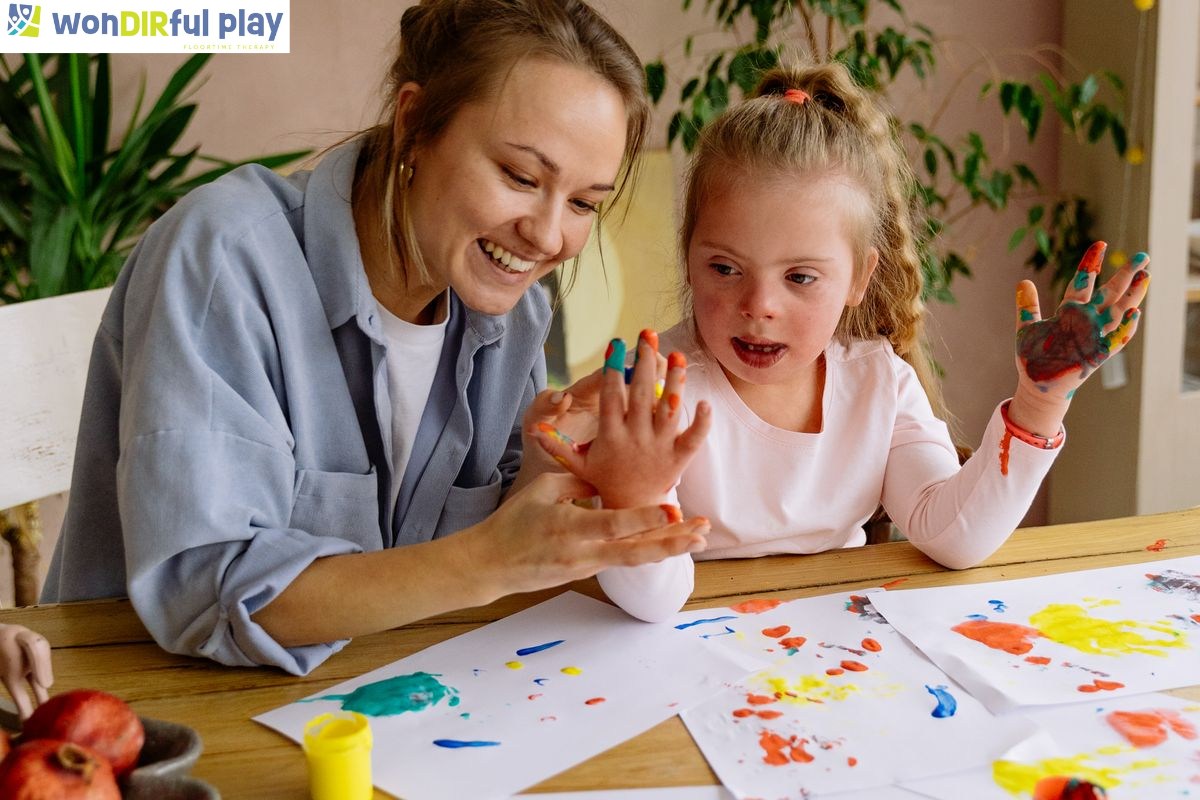
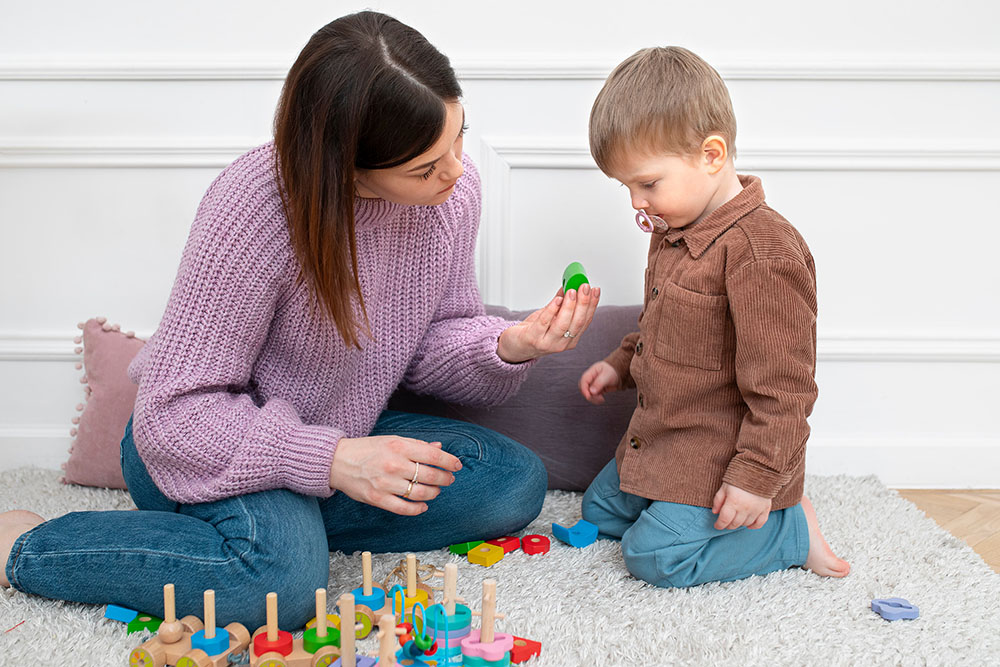
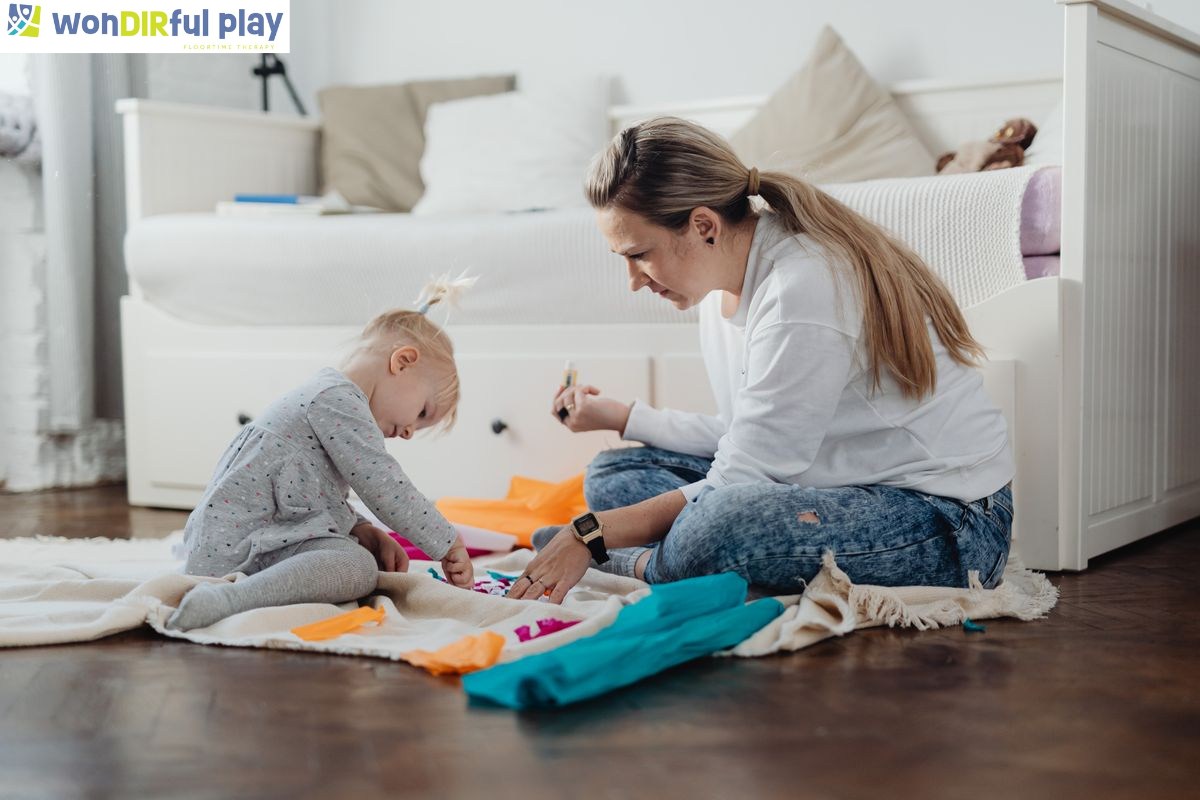
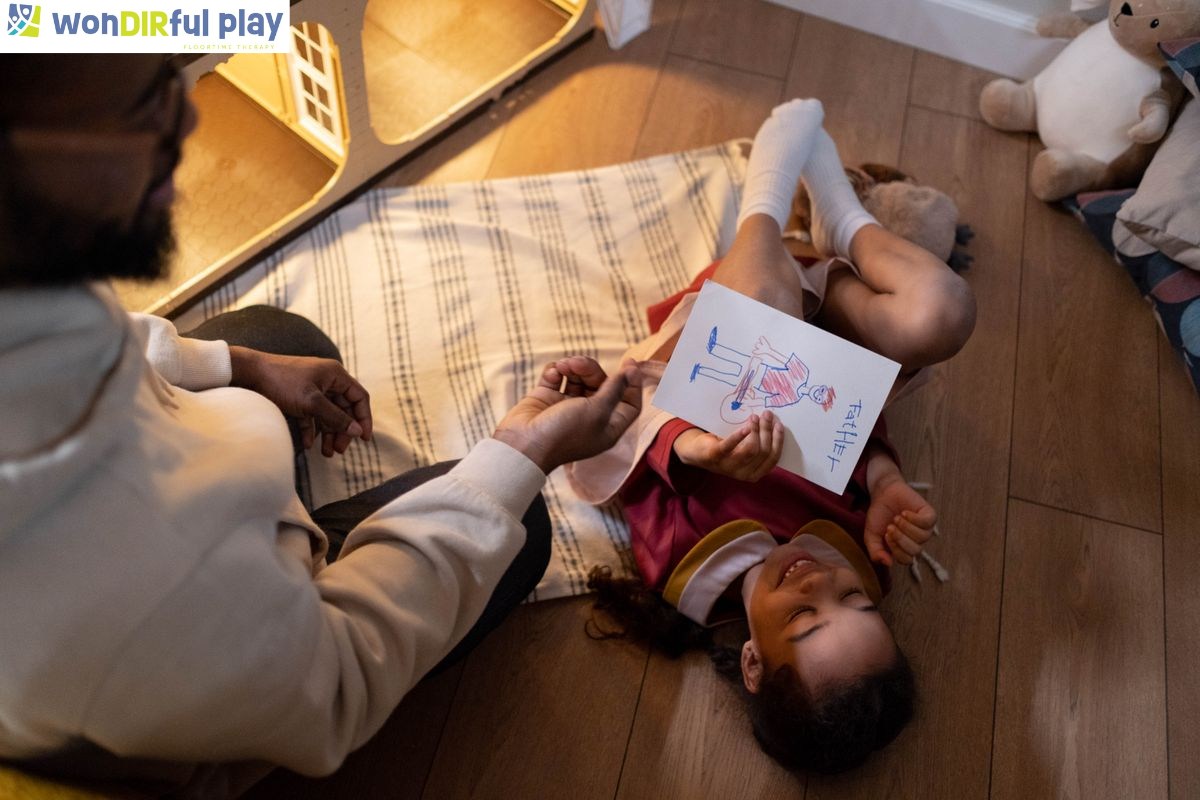
Sit on the floor. See what your child reaches for. If they're lining up cars, get a car too. If they're flapping a piece of paper, grab a piece of your own. Then enter their world.
Why does this matter? Because their interest is the spark. Their attention is already lit on that one thing. If you bring connection into it, you ride that spark. If you try to redirect, you fight against it.
Many parents accidentally do the opposite. Read about how parents accidentally block communication growth to see common patterns. The fixes are usually small but powerful.
Build Circles of Communication
A circle of communication is one back-and-forth exchange. You do something. Your child responds. You respond. That's one circle.
Goals to aim for:
- Start with one circle, even a single shared glance
- Stretch toward five circles in a row
- Then ten circles, then more over time
- Use any signal, glance, gesture, sound, or touch
- Celebrate each one out loud, even the small ones
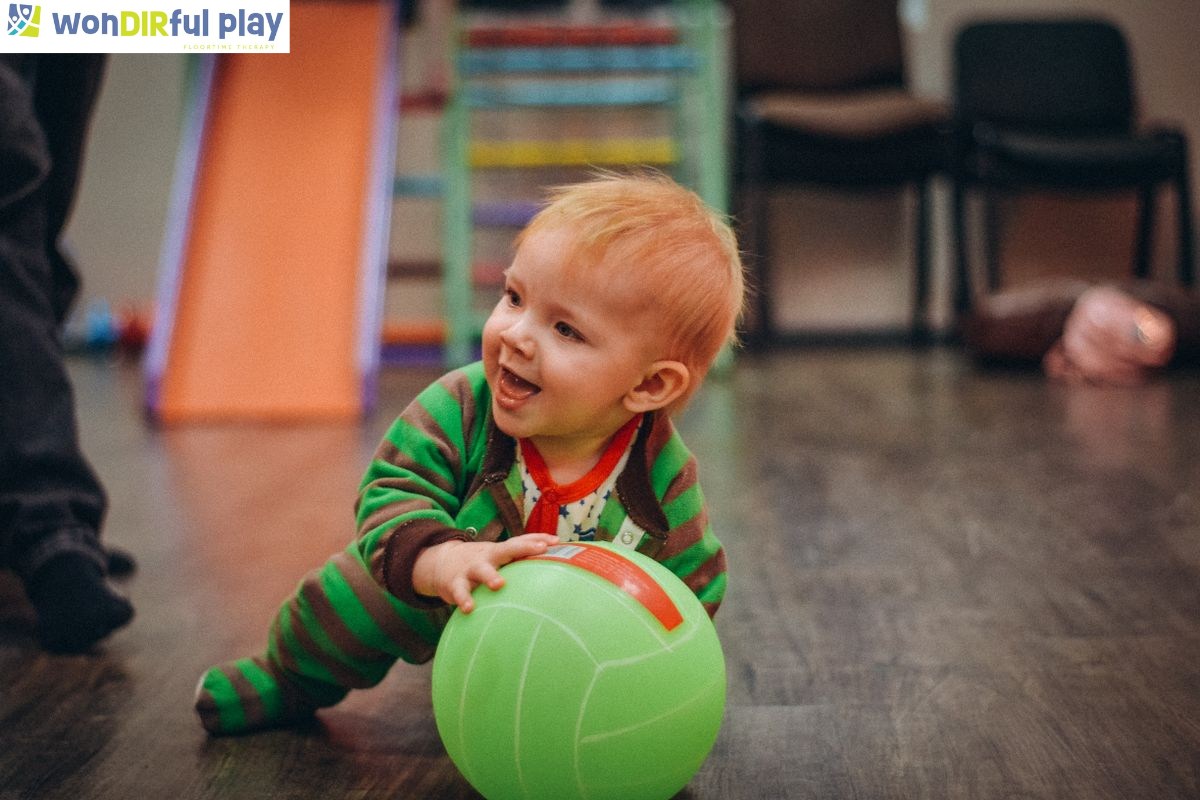
For example, you push a car. Your child looks. You smile big. Your child smiles back. You push the car again. They reach for it. You pause. They push. You catch it and roll it back. That's five circles of reciprocal communication, no words needed.
More circles each day mean a deeper foundation for improving nonverbal communication skills.
Use Big Affect to Pull Attention
Affect means expression. Your voice, face, and body. For nonverbal kids, big, warm affect is gold. It draws their eyes and pulls them into shared moments.
Practice these:
- Open your eyes wide when something surprising happens
- Use a sing-song voice with rising and falling tones
- Lean in close when you say something important
- Match your face to your words, surprised, happy, sad
- Wait for them to read your face
This isn't fake drama. It's natural language without speech. Many strategies for nonverbal children rely on affect to make moments meaningful. Once your child reads your face well, words become much easier to add later.
Add Sabotage, Gently
-ink.jpeg)
"Sabotage" sounds harsh, but it's a soft, playful tool that opens communication. The idea is to create small problems your child needs your help to solve. That gives them a reason to communicate.
Examples:
- Put their favorite snack in a clear container they can't open
- Place a toy on a high shelf within sight but out of reach
- Start a familiar song and stop right before the favorite part
- Hand them a closed marker so they need help opening it
- Offer empty hands when they want bubbles, then look puzzled
Wait. Don't solve it for them. Let them figure out that they need to ask you somehow. Even a tug on your sleeve or a glance counts as a request. These are core child-led communication strategies that build motivation from the inside out. Read more on interactive play for speech development if you want to deepen this work.
Honor Gestures and Sounds as Real Communication
Many parents wait for words. But nonverbal autism communication happens long before words show up. A point. A grunt. A pull on your hand. These are real messages.
Respond to them like they're full sentences:
- Child points at fridge: "You want something from the fridge?"
- Child grunts and reaches: "Oh, you want the ball. Got it."
- Child pulls your hand: "Show me. What do you want?"
- Child taps a picture book: "You want to read this one. Let's do it."
This isn't baby talk. It's a respectful interpretation. You're showing your child that their attempts to communicate work. That builds motivation to keep trying. For kids who use PECS or other picture systems, this same principle holds. Honor what they say with any tool they use.
Pair Words With Actions, Slowly
Once the connection is strong, you can layer in words. But less is more. One or two simple words per action work better than long sentences.
Try this:
- Say "up" each time you lift them
- Say "more" every time you give another bite
- Say "go" right before pushing a car or train
- Say "open" each time you open a box together
- Say "all done" when an activity ends
Repeat the same word in the same context daily. After many, many repeats, your child links the sound to the action. That's the start of real DIR therapy for speech development. Some kids start using these words themselves over weeks or months. Others learn to use them on a device or with signs first.
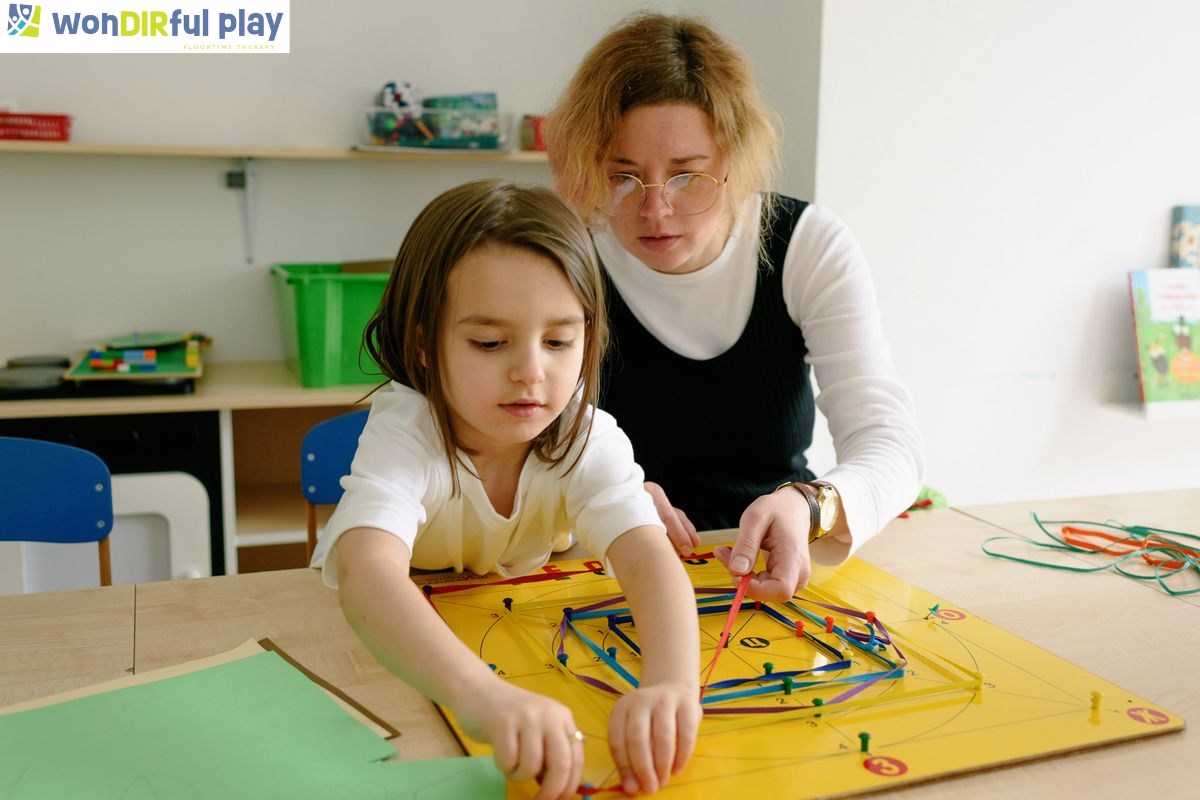
Pair this with help from a speech therapist if possible. A co-treatment model with speech and OT often gives the best results for nonverbal kids.
Use Daily Routines as a Practice Ground
Routines repeat. That makes them perfect for building communication. Each meal, bath, or bedtime is a fresh chance to grow skills.
Snack Routine
Hold up two foods. Wait. Let your child point, glance, or sound off. Then name the choice as you give it. Slow it down. Make each bite a chance to ask for more.
Bath Routine
Pour water slowly. Pause. Wait for any signal to keep pouring. Sing a song and stop before the last word. Watch their face. If they want more, they'll let you know.
Outdoor Play
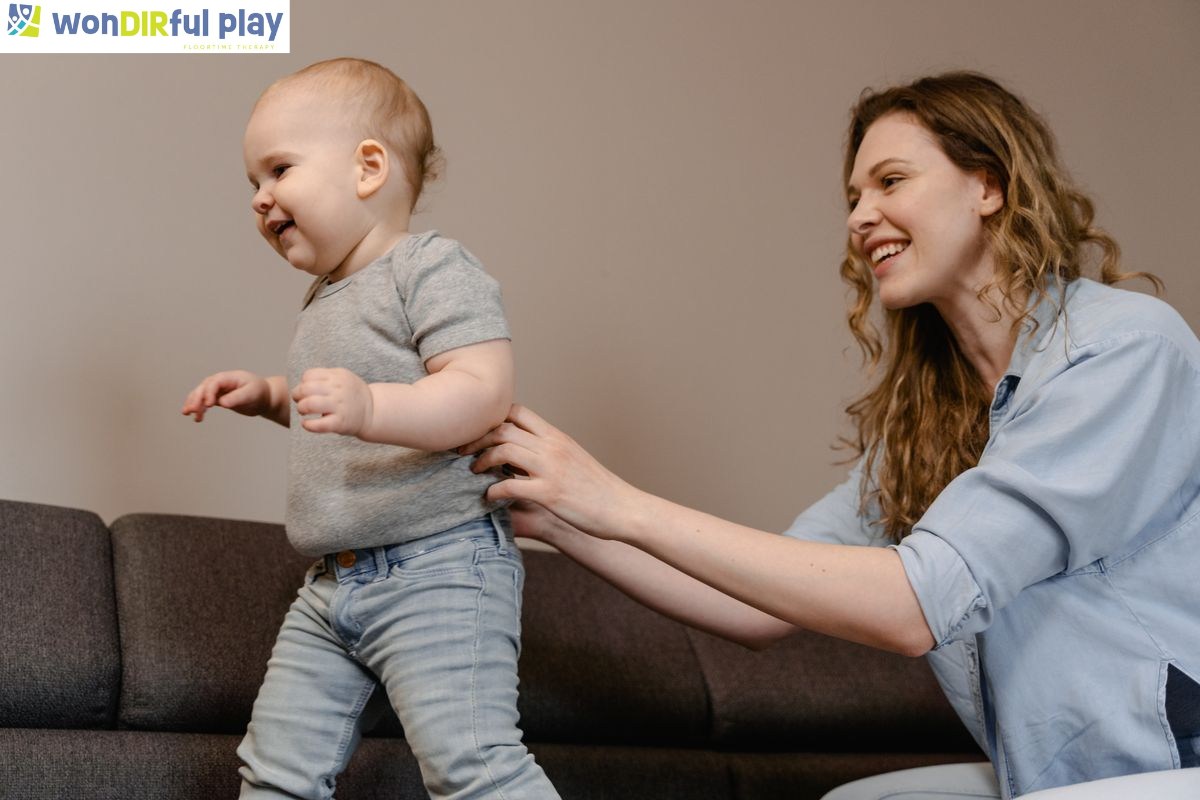
A swing is a great tool. Push once, then stop. Wait for a gesture or sound. Push again. Build the habit of "ask for more." This is one of many Floortime tips for late talkers you can use today.
When to Add AAC or a Speech Therapist
Some kids benefit from AAC, which stands for Augmentative and Alternative Communication. This includes picture cards, sign language, and speech-generating devices. Adding these doesn't stop speech from developing. Research shows it often helps.
If your child shows strong interest in communicating but lacks the motor or speech skills to do it, talk to a speech therapist about integrating AAC with Floortime. The two approaches work well together when planned thoughtfully.
Families across New Jersey, including in Paterson and surrounding towns, often combine speech therapy with DIR/Floortime sessions. The mix can boost interactive play for speech development in powerful ways.
Reading Your Child's Communication Style
-ink.jpeg)
Every nonverbal child communicates differently. Some lead with their eyes and gestures. Others rely on body movement or vocal sounds that aren't words yet. Your first job is to learn their style, not change it. Watch closely and write down what you see. Patterns will appear within a week or two.
Once you spot a pattern, you can respond in ways that match. A child who points may need you to label objects out loud. A child who pulls your hand may benefit from communication-focused Floortime goals that build choice-making skills. Some children stay silent in certain settings but vocalize at home, which can signal selective mutism patterns worth gentle play-based support.
- Watch for intent. Is your child trying to share, request, protest, or comment? Each intent opens a different teaching moment.
- Notice timing. Some kids communicate best right after a nap or snack. Others light up during outdoor play. Lean into those windows.
- Track sounds. A new vowel, a soft hum, or a babbled string all count. Jot them down and respond like they're full words.
- Match energy. A quiet child needs a quiet partner. A bouncy child needs a playful one. Mirror, then build.
Families exploring how DIR fosters communication in autistic kids often find that small shifts in adult response cause big shifts in child output. If you're working through a possible speech delay, this kind of close observation gives speech professionals a much clearer picture, too. Parents in Elizabeth and other NJ towns often share their notes with their child's team, which speeds up planning.
FAQs
Will my nonverbal child ever talk?
Many do. Some don't. Either way, nonverbal autism communication grows when you build a strong foundation of connection. Spoken language isn't the only path to a meaningful, expressive life.
Should I push my child to repeat words?
No. Forced imitation often shuts kids down. Instead, model words during play and wait. Trust that repetition over time helps the words click at their own pace.
Can Floortime work alongside speech therapy?
Yes. They complement each other well. A combined approach with speech therapy often produces faster gains than either one alone.
What if my child only uses gestures, not sounds?
That's still real communication. Gestures count. Honor them, respond to them, and keep building circles. Sounds may come later, or your child may move to signs or pictures.
How long until I see progress?
Some families see new gestures or sounds in a few weeks. Bigger language gains usually take months of steady, joyful practice. Consistency at home matters more than long sessions.
Spark More Connection, One Tiny Word at a Time
WonDIRful Play walks alongside families of nonverbal kids with steady, judgment-free coaching. Every gesture, sound, and glance is a real message. Our team helps you read those messages, respond with care, and build the kind of connection that opens future doors for language.
With DIR/Floortime at the core, we focus on play, joy, and meaningful back-and-forth. The result is often stronger eye contact, more gestures, and the foundation for words to grow when your child is ready.
Reach out to WonDIRful Play to find practical, hands-on support for your nonverbal child. Spark more connection, one tiny moment at a time, and watch your child's voice grow on their own terms.
Recent articles


.jpg)
.jpg)



.jpg)


.jpg)






.jpg)


-ink.jpeg)
-ink.jpeg)
-ink.jpeg)
-ink.jpeg)
-ink.jpeg)
-ink.jpeg)
-ink.jpeg)
-ink.jpeg)


.jpeg)

.jpg)
-ink.jpeg)

.jpg)

-ink.jpeg)

-ink.jpeg)
-ink.jpeg)
.jpg)
.jpg)
-ink.jpeg)
-ink.jpeg)
-ink.jpeg)
.jpg)

-ink.jpeg)
-ink.jpeg)
-ink.jpeg)
-ink.jpeg)
-ink.jpeg)
-ink.jpg)
-ink.jpeg)
-ink.jpeg)
-ink.jpeg)
-ink.jpeg)
.jpg)
.jpg)
-ink.jpeg)
-ink.jpeg)
.jpg)
-ink.jpeg)
-ink.jpeg)
-ink.jpeg)
-ink.jpeg)
-ink.jpeg)
-ink.jpeg)
-ink.jpeg)
-ink.jpeg)
-ink.jpeg)
-ink.jpeg)
-ink.jpeg)
-ink.jpeg)
-ink.jpeg)
-ink.jpeg)
-ink.jpeg)


With WonDIRfulPlay, growth feels effortless and joyful. Our DIR floortime therapy services in Lakewood, NJ focus on building emotional connections, communication, and social confidence while addressing sensory and behavioral challenges.
For compliance matters, please call 732-523-9070 or email compllance@wondirfulplay.com

