
Preparing Your Child with Autism for the Kindergarten Transition in New Jersey
May 20, 2026
Preparing your autistic child for kindergarten in NJ? Get practical steps, DIR Floortime strategies, and what services to line up before day one.
-ink.jpeg)
Key points:
- Starting kindergarten is one of the biggest transitions autistic children face, and preparation months before day one can make a significant difference.
- New Jersey offers developmental therapy and school-based supports that parents can line up well in advance of kindergarten entry.
- DIR Floortime strategies help build the self-regulation and social skills that make the kindergarten environment more manageable for autistic children.
Kindergarten isn't just a new classroom. For an autistic child, it's a completely different world, new faces, unpredictable sounds, group routines, transitions every 20 minutes, and a teacher who doesn't yet know them the way you do. If you're a parent dreading this step, that feeling is valid. But there's a lot you can actually do between now and the first day of school. This guide covers the autism kindergarten transition in New Jersey from every angle: services to arrange, skills to build, and how to advocate for your child from the very start.
Why the Kindergarten Transition Is Especially Hard for Autistic Children
Research published in multiple developmental journals consistently shows that children with autism face greater difficulty adjusting to new school environments than their neurotypical peers. The challenges aren't just academic.
They're sensory, social, and regulatory. Navigating a cafeteria, lining up with 20 other children, reading the unspoken social cues of a group setting, it all happen simultaneously and at a pace that can feel overwhelming.
That doesn't mean kindergarten can't go well. It means it requires preparation that goes beyond school supply shopping.
Start the Process a Full Year Out
Request a School Evaluation Early
If your child already has a diagnosis, contact your school district at least 12 months before your child's planned kindergarten start. Request a special education evaluation in writing. The district must evaluate your child and, if they qualify, develop an IEP before they enter kindergarten. This is one of the most time-sensitive parts of the school readiness process for autism in New Jersey.
Transfer Early Intervention Records
If your child received Early Intervention services before age three, those records and progress notes should transfer to the school district automatically, but confirm it happened. The Transition Planning Conference, which should happen before your child's third birthday, sets the handoff in motion. Follow up to make sure the school has everything.
Arrange a School Visit Before Day One
-ink.jpeg)
Most New Jersey school districts will accommodate a pre-kindergarten visit if you ask. Your child benefits enormously from walking the hallways, seeing the classroom, meeting the teacher, and sitting in the chair before the first official day. Do this more than once if possible. Familiarity reduces anxiety. That's not a small thing.
Building School-Ready Skills Through DIR Floortime
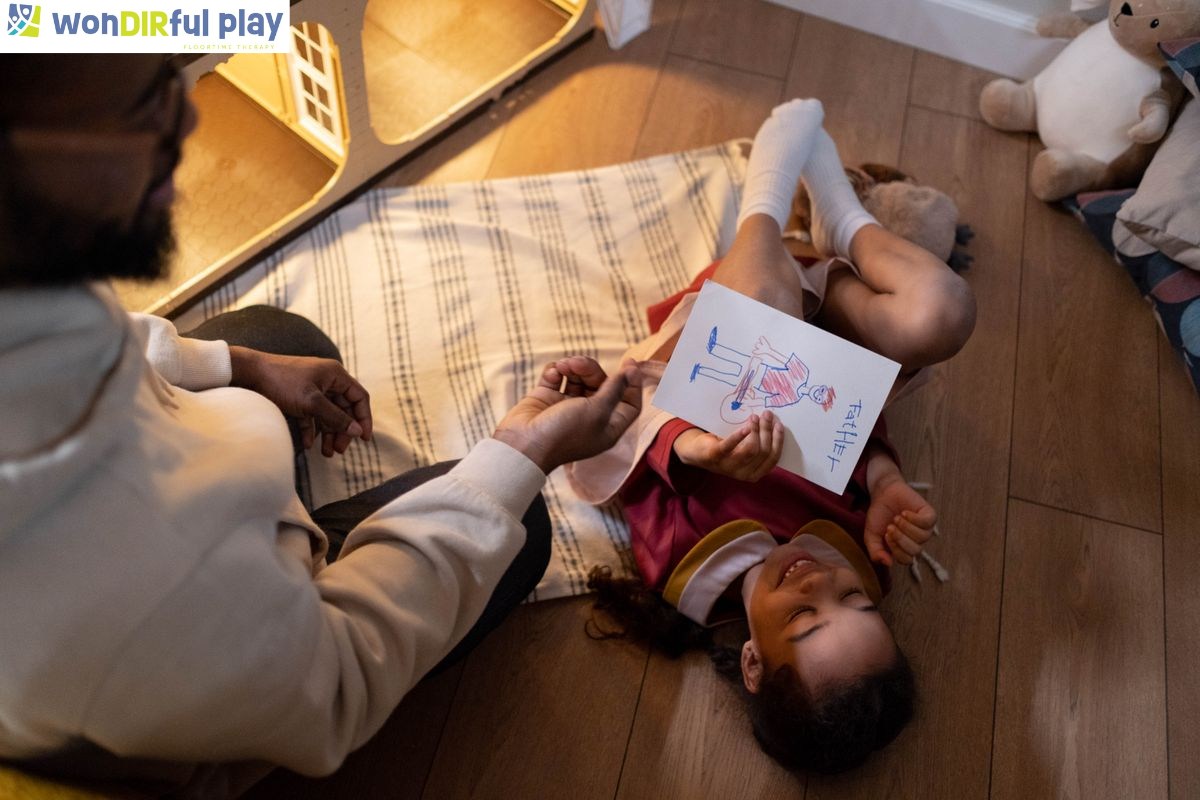
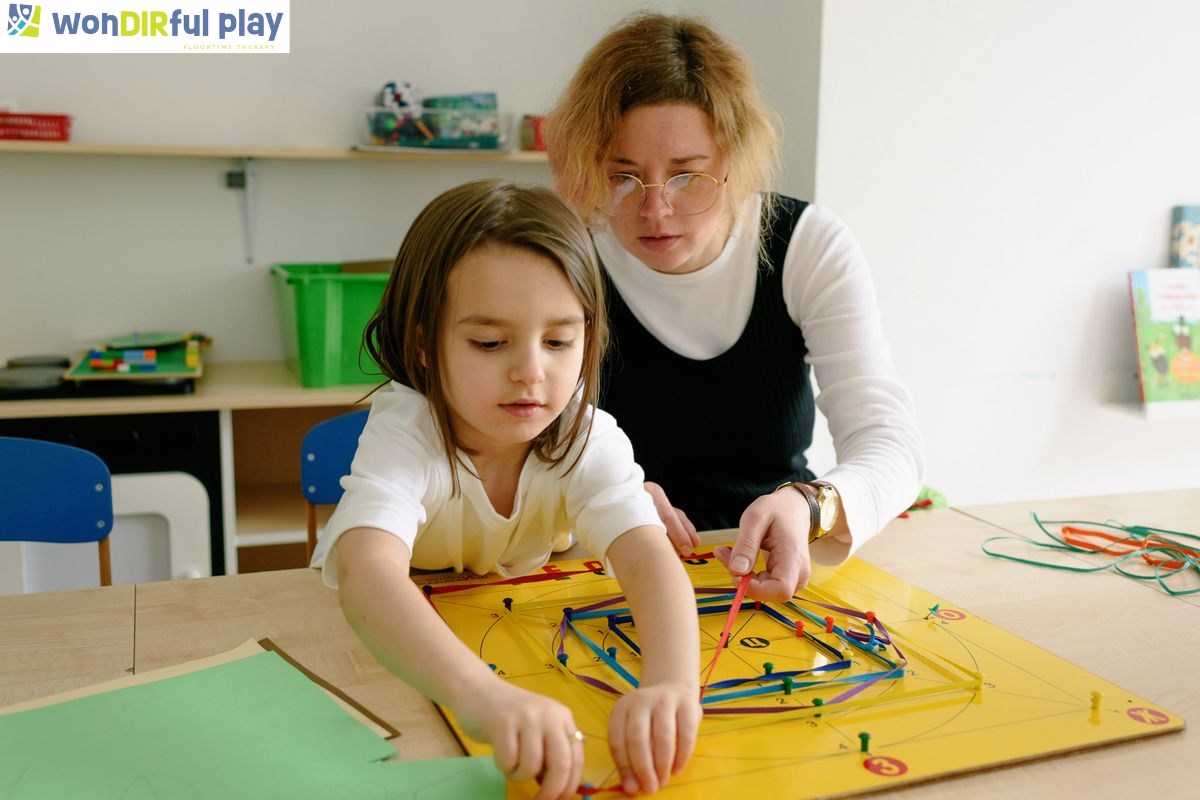
One of the most useful things you can do in the year before kindergarten is to intensify developmental therapy, specifically approaches that build the emotional and social foundations your child will need in school. DIR Floortime school transition support focuses exactly on these areas: self-regulation, back-and-forth interaction, tolerating unexpected changes, and engaging with peers.
These aren't skills you can teach through rote practice alone. They develop through relationships and repeated, meaningful interactions, which is precisely what DIR Floortime is designed to build.
Key Skills to Target Before Kindergarten
- Tolerating transitions between activities. Practice this at home by using DIR Floortime activities daily that shift between different types of play.
- Participating in simple group activities with two to three peers. Playdates structured around low-key cooperative play help here.
- Communicating wants and needs to an unfamiliar adult. Practice this in low-stakes situations: ordering at a counter, asking a librarian for help.
- Managing basic self-care tasks independently: bathroom use, zipping a jacket, opening a lunchbox.
- Sitting with mild discomfort. Not every moment needs to be comfortable, and building tolerance for small frustrations now pays off in the classroom.
What to Line Up Before Kindergarten Begins
The months before kindergarten entry are the time to get supports firmly in place. If your child is currently receiving developmental therapy before starting school in NJ, talk to your therapist about school readiness goals and make sure the school team knows what approaches have been working at home and in therapy.
Arrange a meeting with the school's special education team before the year starts. Bring your child's evaluation reports, therapy progress notes, and a written summary of what helps your child and what triggers difficulty. This information helps teachers prepare rather than discover things through trial and error.
If your child has not yet had a DIR Floortime evaluation or session, starting before kindergarten gives you several months to build foundational skills in a therapeutic setting before the school environment introduces so many new variables at once.
Working with the School From the Start
The IEP is your primary tool. Before kindergarten starts, attend an IEP meeting and push for specifics: which classroom your child will be in, what supports will be in place from day one, how transitions during the school day will be handled, what the sensory environment looks like, and who your contact person will be.
Ask whether the school has experience with DIR Floortime and developmental approaches in NJ school settings. If they don't, that's a useful piece of information to have going in. You can request that outside consultants or your child's private therapist provide training or consultation to school staff.
What to Do in the First Weeks of Kindergarten
-ink.jpeg)
The first weeks are information-gathering time. Stay in regular contact with the teacher, not to hover, but to understand how your child is experiencing the environment. Ask specific questions: How is the transition to lunch going? Is your child engaging with peers at all? What seems to help, and what seems to make things harder?
Be patient with regression. It's common for autistic children to show increased anxiety or behavioral changes in the first weeks of a major transition. This is not a sign that things are going wrong. It's a sign of adjustment. The response is usually consistency, predictability, and continued access to supports.
Frequently Asked Questions
When should I start planning the autism kindergarten transition in New Jersey?
Ideally, a full year before kindergarten starts. Contact the school district for an evaluation and start building school-readiness skills through therapy well before September.
Does my child need an IEP to get kindergarten autism services in New Jersey?
Yes, an IEP is the legal document that specifies the services your child is entitled to in school. Without one, the school has no obligation to provide specialized supports beyond what's available to all students.
Can DIR Floortime be part of my child's kindergarten program in NJ?
Yes, if it's written into the IEP as a related service or embedded into classroom strategies. You'll need to advocate for this specifically during IEP meetings.
What if my child refuses to go to school in the first weeks?
School refusal in autistic children is usually rooted in anxiety, not defiance. Work with your child's therapist, the school counselor, and the IEP team to identify specific triggers and put targeted supports in place.
How do I know if my child is ready for a typical kindergarten classroom versus a specialized setting?
This is an IEP determination based on your child's evaluation results and present levels of functioning. You have the right to request placement in the least restrictive environment, and to challenge the district's recommendation if you disagree.
Ready When They Are, Because You're Ready First
The kindergarten transition isn't a cliff. With the right preparation, the right supports, and the right team around your child, it's a step. Maybe a big one. But a step your child can take. DIR Floortime therapy in New Jersey specializes in building exactly the foundational skills that make school transitions possible, through play, connection, and real developmental work.
If you want to talk through what kindergarten readiness looks like for your specific child, or explore how our school-based support program could help bridge the gap between therapy and the classroom, get in touch. The earlier we start, the more ground we cover.
Recent articles



.jpg)
.jpg)




.jpg)


.jpg)







.jpg)






-ink.jpeg)
-ink.jpeg)
-ink.jpeg)
-ink.jpeg)
-ink.jpeg)
-ink.jpeg)
-ink.jpeg)
-ink.jpeg)
-ink.jpeg)


.jpeg)


.jpg)
-ink.jpeg)

.jpg)

-ink.jpeg)

-ink.jpeg)
-ink.jpeg)
.jpg)
.jpg)
-ink.jpeg)
-ink.jpeg)
-ink.jpeg)
.jpg)

-ink.jpeg)
-ink.jpeg)
-ink.jpeg)
-ink.jpeg)
-ink.jpg)
-ink.jpeg)
-ink.jpeg)
-ink.jpeg)
-ink.jpeg)
.jpg)
.jpg)
-ink.jpeg)
-ink.jpeg)
.jpg)
-ink.jpeg)
-ink.jpeg)
-ink.jpeg)
-ink.jpeg)
-ink.jpeg)
-ink.jpeg)
-ink.jpeg)
-ink.jpeg)
-ink.jpeg)
-ink.jpeg)
-ink.jpeg)
-ink.jpeg)
-ink.jpeg)
-ink.jpeg)


-ink.jpeg)


With WonDIRfulPlay, growth feels effortless and joyful. Our DIR floortime therapy services in Lakewood, NJ focus on building emotional connections, communication, and social confidence while addressing sensory and behavioral challenges.
For compliance matters, please call 732-523-9070 or email compllance@wondirfulplay.com

