
Child-Centered Play Therapy (CCPT): What It Is, Techniques & Benefits
August 25, 2026
Learn what child-centered play therapy is, how CCPT interventions work, and the benefits this non-directive approach offers kids.
Key points:
- Child-centered play therapy lets kids lead their own sessions, using toys and play as their natural language for working through big feelings.
- CCPT interventions rely on a warm, accepting relationship between child and therapist rather than direct teaching or correction.
- Non-directive play therapy techniques can support anxiety, grief, behavior struggles, and difficulty adjusting to change.
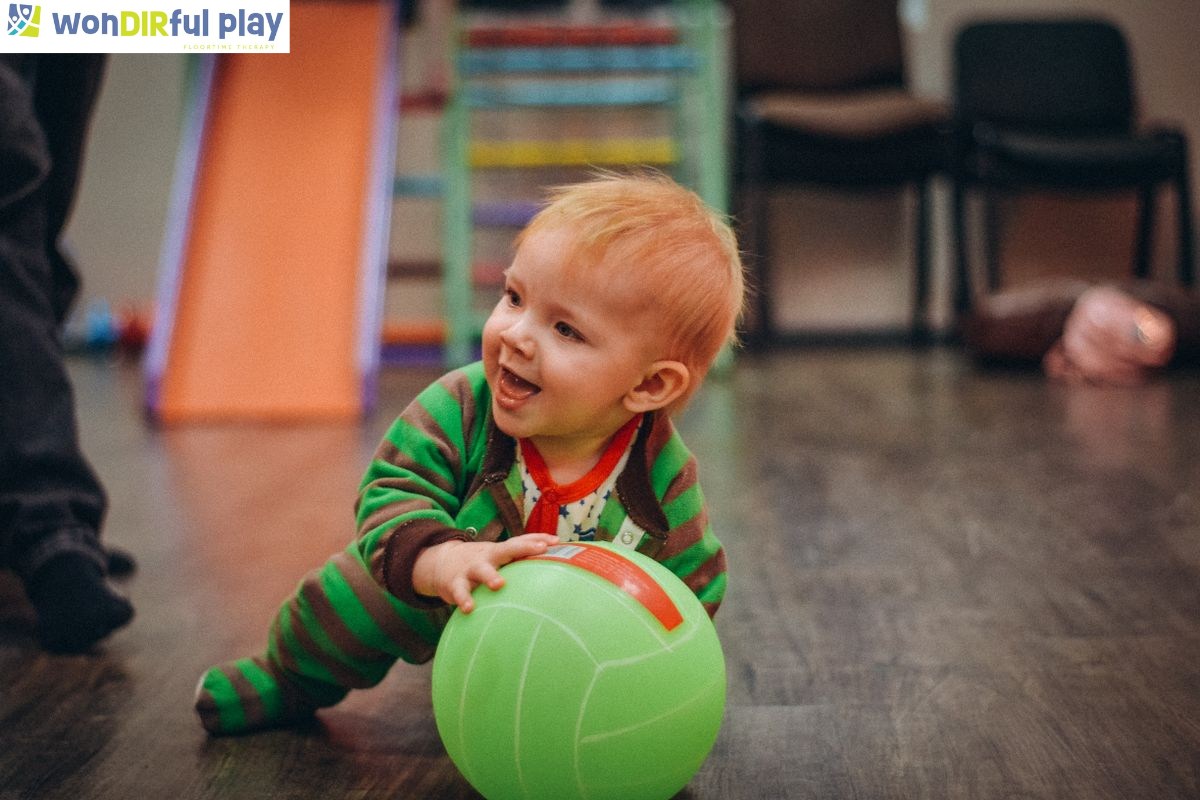
Kids do not always have the words for what they are feeling, especially when life throws something hard their way, like a divorce, a move, or a scary hospital stay. Child-centered play therapy gives them another way to work through it, through play instead of conversation. In a CCPT session, your child picks the toys, sets the pace, and leads the way, while a trained therapist follows along with warmth and full attention, much like the child-led approach used in other relationship-based therapies for young children.
This guide explains what this approach actually looks like in session, the core CCPT interventions therapists rely on again and again, and the kinds of struggles this approach tends to help most. We will keep the explanations plain and practical, since you are the one deciding whether this fits your child and your family right now.
What Is Child-Centered Play Therapy?
This form of child-centered therapy is built on the idea that play is a child's natural language, the way words are for adults. Instead of directing your child toward specific lessons or behaviors, the therapist creates a safe, accepting space and lets the child's own play reveal what they need to process, at whatever pace feels right to them.
The Theory Behind CCPT
This model of CCPT therapy grew out of person-centered counseling principles developed by psychologist Carl Rogers, later adapted specifically for children by play therapy pioneer Virginia Axline in the 1940s.
The Association for Play Therapy recognizes this non-directive model as one of the foundational approaches in the entire field, and the University of North Texas Center for Play Therapy has trained generations of clinicians in its core methods since the 1980s.
How CCPT Differs From Directive Play Therapy
Some play therapy models ask the therapist to guide activities toward a specific, predetermined goal. This non-directive model takes the opposite stance. The therapist avoids leading questions, avoids praise tied to specific behaviors, and instead reflects what the child is doing and feeling in the moment, trusting the child's own pretend play to do the real therapeutic work over time.
Core CCPT Interventions
Child-centered play therapy interventions rely less on specific techniques and more on the quality of the relationship itself, and they sit alongside other play therapy models as one option among several a family might consider. Still, a handful of core skills show up again and again in nearly every session, no matter the child's specific concern.
The Four Basic CCPT Interventions
- Tracking: describing out loud what the child is doing, without judging it as good or bad
- Reflecting feelings: naming the emotion behind the play, like that felt scary or that made you happy
- Returning responsibility: letting the child make decisions instead of the therapist deciding for them
- Facilitating self-esteem: pointing out the child's own effort and choices, not just the outcome
Non-Directive Play Therapy Techniques in Practice
These non-directive play therapy techniques mean the therapist rarely asks direct questions like Why did you do that. Instead, they might simply say, you knocked that tower down fast, giving the child room to keep leading the way the play unfolds.
This mirrors strategies used in other relationship-based play approaches, where following the child builds trust faster than directing them ever could.
What CCPT Techniques Look Like in a Real Session

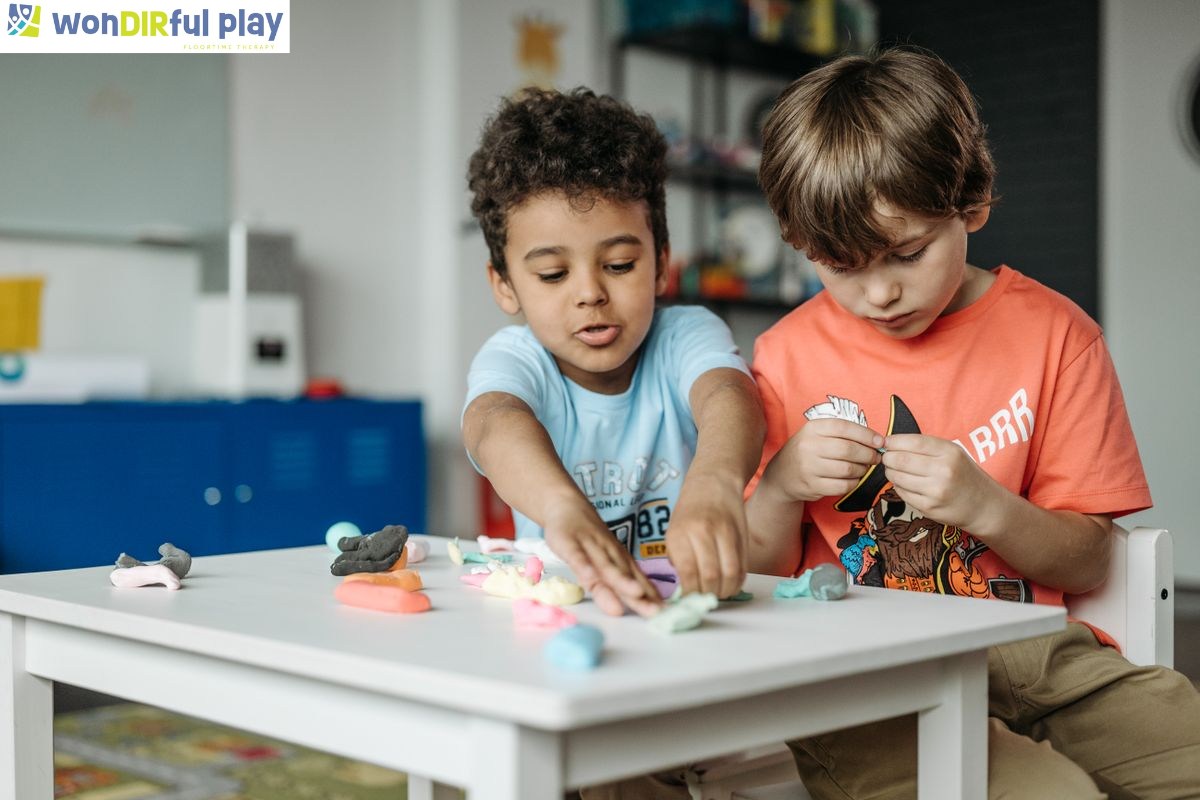
A typical CCPT playroom is stocked with open-ended toys, like sand, dollhouses, art supplies, and puppets, chosen specifically because they do not have one right way to be used. Families sometimes ask whether play therapy actually works, and the honest answer depends heavily on matching the right approach to the right child and the right concern.
A Sample Session Structure
Sessions usually run thirty to forty-five minutes, once a week, often for a total of twelve to twenty sessions depending on the concern being addressed. The therapist rarely brings in outside props or worksheets, since the goal is for the child to lead the way from the very first minute of every single visit.
What Parents Can Expect to See at Home
Parents sometimes ask why the therapist will not simply tell them exactly what happened in session. Confidentiality matters here, since a child's trust in the playroom depends on that space staying separate from the outside world, including from well-meaning parents.
Still, many families using family training and support alongside CCPT get regular updates on general themes and progress, just not a moment-by-moment play-by-play of every session.
Who Benefits from Child-Centered Play Therapy?
This kind of child-centered therapy supports a wide range of struggles, largely because it does not require the child to talk about the problem directly, including children working through anxiety or big, disorienting life changes.
Common Reasons Families Try CCPT
- Anxiety, worry, or difficulty separating from a parent
- Grief after losing a loved one or a pet
- Adjusting after a divorce, move, or new sibling
- Behavior concerns at home or school
- Recovering from a scary medical experience
Guidance from the federal Title IV-E Prevention Services Clearinghouse notes that this model is designed for children ages 3 to 10 working through social, emotional, or behavioral difficulties, with research supporting its use as a standalone intervention for many common childhood struggles families face.
When a Different Approach Might Fit Better
Kids who need more direct skill-building, like specific communication strategies or sensory support, sometimes benefit more from a developmentally based approach that blends child-led play with more targeted goals.
Some families across New Jersey use both models together, starting with CCPT for emotional processing and adding other supports as their child's needs become clearer over time.
Getting Started With CCPT
If you are considering CCPT for your child, a little preparation can make the first few sessions go more smoothly for everyone involved, including you.
Finding the Right Therapist
- Look for licensed clinicians with specific training in child-centered play therapy techniques, not just general counseling experience
- Ask how they measure progress and how often they will update you as a parent
- Check whether they have experience with your child's specific concern, like grief, anxiety, or a recent family change
- Confirm session length, cadence, and whether a consistent, quiet playroom is available each week
Supporting the Process Between Sessions
You do not need to run therapeutic sessions yourself at home, and trying to recreate the playroom exactly is not the goal. Simple things help more, like keeping routines predictable, giving your child unstructured play time without constant correction, and trusting that quiet, steady progress in the playroom often shows up gradually in daily life, rather than overnight.
How CCPT Therapy Fits Alongside Other Supports
Most children referred for CCPT therapy are not working with a play therapist in isolation. School counselors, pediatricians, and other specialists often coordinate loosely around the same child, even without formal joint sessions.
Working With Schools and Other Providers
A therapist trained in child-centered play therapy techniques may suggest simple, general updates be shared with a teacher or school counselor, especially if behavior concerns show up at school as well as at home. This coordination stays light touch by design, since the whole point of the playroom is that it remains a judgment-free space the child can trust completely.
Realistic Expectations for Families
Progress in child-led, non-directive work tends to look uneven at first, with a burst of big feelings sometimes surfacing before things settle down and calm. This is a normal part of the process rather than a sign that something has gone wrong, and most therapists will walk you through what to expect at each stage so you are not caught off guard by a rough week or two.
Frequently Asked Questions
What age range is child-centered play therapy for?
CCPT typically supports children ages 3 to 10, since this age range communicates most naturally through play rather than direct conversation about feelings or difficult experiences.
How long does CCPT usually take to help?
Many therapists recommend twelve to twenty weekly sessions, though timelines vary based on the child's history, the concern being addressed, and how quickly trust builds in the playroom.
Will the therapist tell me what my child said in session?
Not usually in detail. Confidentiality supports the child's trust in the space, though most therapists share general themes and progress updates with parents on a regular basis.
Is child-centered play therapy the same as regular playtime?
No. While it looks like ordinary play, a trained therapist uses specific responses, like reflecting feelings and returning responsibility, to help the child process emotions therapeutically.
Can CCPT be combined with other therapies?
Yes. Many families pair child-centered play therapy with speech, occupational, or developmental therapies, since CCPT addresses emotional processing while other services target specific skills or milestones.
Let Their Play Do the Talking
Kids often cannot explain what is bothering them, but they can show you through play, given the right space and a patient adult who follows their lead. That is exactly what child-centered play therapy offers: a chance for your child to process big feelings at their own pace.
Wondirful Play helps families understand how non-directive, child-led approaches fit alongside broader developmental support, so your child's progress in the playroom connects to real life outside it.
Reach out to us to talk through what your child is going through and find the right next step for your family.
Recent articles



.jpg)
.jpg)




.jpg)


.jpg)







.jpg)




-ink.jpeg)
-ink.jpeg)
-ink.jpeg)
-ink.jpeg)
-ink.jpeg)
-ink.jpeg)
-ink.jpeg)
-ink.jpeg)
-ink.jpeg)


.jpeg)


.jpg)
-ink.jpeg)

.jpg)

-ink.jpeg)

-ink.jpeg)
-ink.jpeg)
.jpg)
.jpg)
-ink.jpeg)
-ink.jpeg)
-ink.jpeg)
.jpg)

-ink.jpeg)
-ink.jpeg)
-ink.jpeg)
-ink.jpeg)
-ink.jpeg)
-ink.jpg)
-ink.jpeg)
-ink.jpeg)
-ink.jpeg)
-ink.jpeg)
.jpg)
.jpg)
-ink.jpeg)
-ink.jpeg)
.jpg)
-ink.jpeg)
-ink.jpeg)
-ink.jpeg)
-ink.jpeg)
-ink.jpeg)
-ink.jpeg)
-ink.jpeg)
-ink.jpeg)
-ink.jpeg)
-ink.jpeg)
-ink.jpeg)
-ink.jpeg)
-ink.jpeg)
-ink.jpeg)


-ink.jpeg)


With WonDIRfulPlay, growth feels effortless and joyful. Our DIR floortime therapy services in Lakewood, NJ focus on building emotional connections, communication, and social confidence while addressing sensory and behavioral challenges.
For compliance matters, please call 732-523-9070 or email compllance@wondirfulplay.com

