
How School-Based DIR Floortime Support Helps Autistic Children Thrive in New Jersey Classrooms
May 4, 2026
Learn how school-based DIR Floortime support in NJ helps autistic children thrive in classrooms through IEP collaboration and inclusive strategies.
-ink.jpeg)
Key points:
- School-based DIR Floortime support in NJ bridges therapy and classroom learning, helping autistic children engage more fully in school.
- DIR therapists collaborate with teachers and IEP teams to bring relationship-based strategies directly into the school setting.
- Children with autism in NJ classrooms benefit from consistent, connection-first approaches that reduce anxiety and support real learning.
School is where children spend a large part of their day, and for autistic children in New Jersey, it can also be one of the most challenging environments. Bright lights, noisy hallways, fast transitions, and complex social dynamics can make it hard to focus and connect.
That is where school-based DIR Floortime support comes in. By bringing relationship-based strategies into the classroom, this approach helps autistic children not just get through the school day but genuinely thrive in it.
This article looks at how school-based DIR Floortime works in New Jersey, how it fits into IEPs, and what families can expect.
What Does School-Based DIR Floortime Support Look Like?
School-based DIR Floortime support in NJ means that a trained therapist or specialist works within your child's school environment rather than in a clinic or at home. This can happen in several ways:
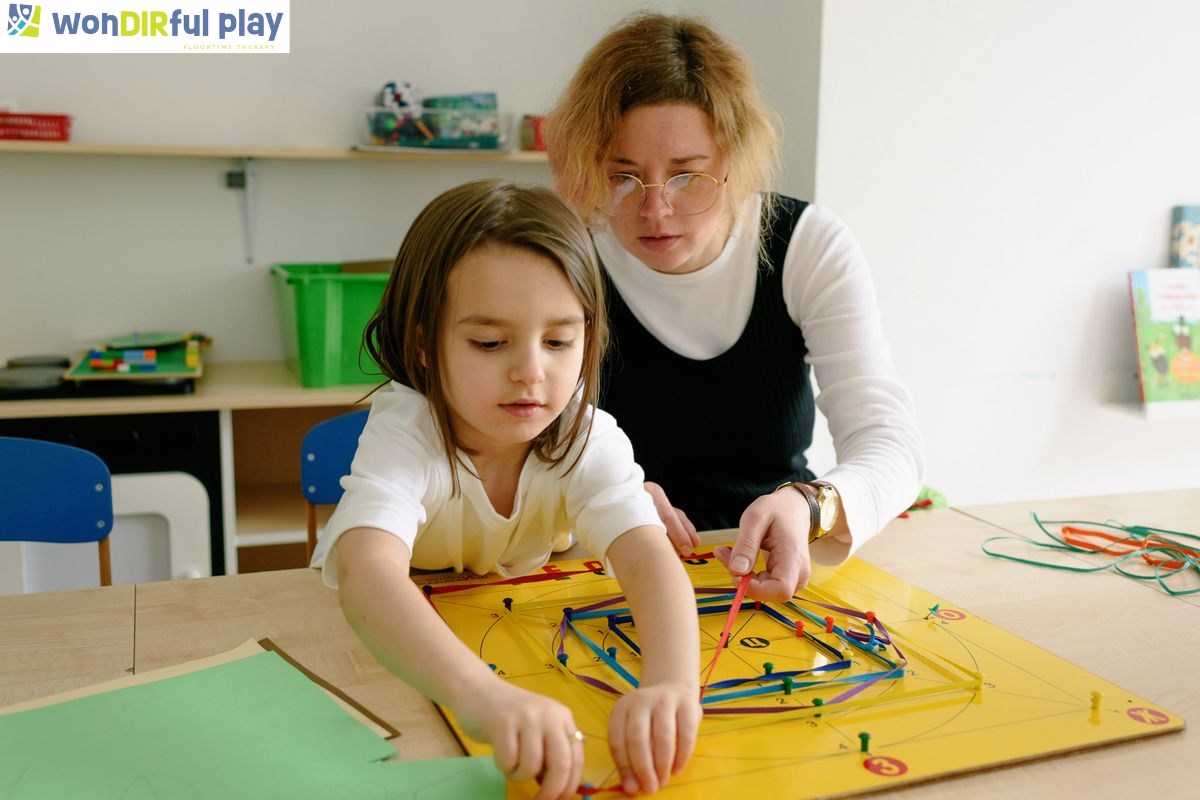
- A DIR-trained therapist works directly with your child during school hours, providing one-on-one support in the classroom or a quieter space.
- The therapist consults with classroom teachers, paraprofessionals, and special education staff, coaching them on how to use DIR Floortime principles throughout the day.
- The therapist observes how your child responds to different parts of the school day and makes recommendations for environmental or routine adjustments.
The goal is not to pull your child out of the classroom and put them in a therapy bubble. It is to bring warmth, connection, and developmental intentionality into the spaces where your child already lives their school life.
How DIR Floortime Fits Into an IEP in New Jersey
Many families in New Jersey are familiar with the Individualized Education Program, or IEP. This legal document outlines the services and supports your child is entitled to in school. DIR Floortime IEP support in NJ can show up in a few important ways.
A therapist trained in the DIR model may be listed as a related service provider, contributing to your child's goals around social communication, emotional regulation, or peer interaction. The DIR framework aligns well with the neurodiversity-affirming therapy values that many NJ families are looking for.
When DIR principles are written into an IEP, educators are trained to look at behavior through a developmental lens. Instead of simply redirecting a child who is melting down, a teacher trained in DIR approaches will try to understand what the child is communicating and respond in a way that builds trust and co-regulation. This shift in perspective can transform a child's school experience.
The Role of the DIR Therapist in School Consultations
-ink.jpeg)
A DIR therapist working in school settings in New Jersey wears many hats. Part of the role involves direct support with the child, but a significant part also involves coaching and consultation. A DIR therapist providing school consultation might sit alongside a paraprofessional during lunch, model how to enter a child's play, or show a teacher how to spot moments of genuine connection and build on them.
This consultation model is powerful because it multiplies the impact of therapy. Instead of one therapist having 60 minutes of influence per week, their methods spread to every adult in the child's school day. Teachers, aides, and specialists all begin to see the child differently and respond in more attuned ways.
Teachers often report that DIR-informed strategies reduce the frequency of behavioral incidents in the classroom. When children feel seen and emotionally connected, they are less likely to become dysregulated in the first place.
Classroom Support for Autistic Children in NJ: What Schools Should Provide
New Jersey has strong legal protections for children with disabilities under both federal IDEA law and the NJ Administrative Code. Families should know that autism support in New Jersey schools must be meaningful and appropriate to the individual child. Some elements that DIR-informed classrooms often include:
- Predictable routines with visual schedules to reduce transition anxiety.
- Sensory-friendly spaces where a child can regulate before returning to learning.
- Flexible seating and movement breaks to support sensory needs.
- Staff trained in reading emotional and developmental cues rather than just behavioral ones.
If you feel your child's school is not meeting these needs, you have the right to request an IEP meeting and advocate for updated services. A DIR therapist can also attend IEP meetings as part of their school-based support services role, helping translate clinical language into concrete classroom strategies.
How DIR Floortime Supports Social Skills Development in the School Setting
One of the most challenging parts of school for many autistic children is navigating peer relationships. Lunch, recess, group projects, and hallway interactions all require fast, flexible social thinking that can be very difficult for children on the spectrum. DIR Floortime directly addresses this by building the underlying capacities that social interaction requires.
Rather than teaching social scripts by rote, DIR therapists help children develop genuine curiosity about others, flexible thinking, and the ability to sustain back-and-forth interaction. These are sometimes called the 'building blocks' of social competence, and they emerge through relationship-based play, not drill and practice.
Over time, children who receive consistent DIR support show increased ability to initiate with peers, tolerate the unpredictability of group play, and recover from social misunderstandings. You can explore activities that reinforce these skills at home to keep the momentum going outside of school hours.
Floortime Therapy School Collaboration in NJ: Building a Team Around Your Child
The most effective school-based DIR support does not exist in isolation. It works best when the therapist, teachers, special education staff, and parents are all in regular communication. In New Jersey, this kind of team-based approach is becoming more common as awareness of DIR Floortime grows.
Families play a crucial role in this collaboration. When parents understand the DIR principles their child's therapist uses at school, they can extend those same approaches at home. This connection between home and school is one of the most powerful factors in a child's progress. If you are exploring how to build this kind of collaborative support, learning about family training for DIR Floortime can help you become a stronger partner in your child's education.
Finding School-Based DIR Floortime Support in New Jersey
-ink.jpeg)
Not every school district in New Jersey has staff trained in DIR Floortime, but the landscape is growing. Some families find that connecting with an outside DIR therapist who can provide school consultation is the most effective route.
This specialist then works in partnership with the school team to bring the DIR approach into everyday classroom life. If you are looking for special needs school support services in NJ, reaching out to a DIR-specialized provider is a good starting point.
When evaluating potential providers, ask specifically about their experience with school consultation, their process for communicating with teachers, and how they handle IEP participation. The best providers see themselves as partners with the school system, not separate from it.
Frequently Asked Questions
Can my child receive DIR Floortime support during the school day even if their district doesn't offer it?
Yes. Families can hire an outside DIR therapist to provide school consultation independently. The therapist would coordinate with the school and may attend IEP meetings with parental consent.
How does DIR Floortime school support differ from traditional school-based behavioral therapy?
Traditional approaches often focus on reinforcing desired behaviors. DIR Floortime focuses on building the developmental foundations for social and emotional connection, which leads to more lasting progress.
How do I request DIR Floortime support be added to my child's IEP in New Jersey?
Request an IEP meeting and bring documentation from a DIR-trained therapist outlining the approach and how it applies to your child's goals. An advocate can help if needed.
What age children benefit most from school-based DIR Floortime support?
Children from preschool through middle school have benefited from this approach. Strategies are adapted based on the child's developmental level, not their age alone.
Is school-based DIR Floortime covered by my child's school district budget?
When services are written into an IEP, the school district is typically required to fund them. Outside consultants may bill separately and may be covered by insurance or private pay.
Strengthen Learning Where It Matters: Discover School-Based Floortime Support in NJ Classrooms
Parents often wonder how therapy can carry into the school day where children spend so much of their time. School-based DIR Floortime support in NJ bridges that gap by bringing developmental strategies directly into the classroom environment.
Through collaboration with educators, autism support in school in New Jersey focuses on engagement, communication, and peer interaction. DIR Floortime IEP support in NJ helps align developmental goals with academic expectations, creating a more connected learning experience.
At WonDIRful Play, families exploring school autism therapy services in New Jersey can see how Floortime therapy school collaboration in NJ supports both teachers and students.
If you are looking for classroom support for autistic children in NJ or a DIR Floortime school consultation, our team is ready to work alongside your child’s school.
Recent articles




-ink.jpeg)
-ink.jpeg)
-ink.jpeg)
-ink.jpeg)
-ink.jpeg)
-ink.jpeg)
-ink.jpeg)
-ink.jpeg)
-ink.jpeg)


.jpeg)
.jpg)



.jpg)
-ink.jpeg)

.jpg)

-ink.jpeg)

-ink.jpeg)
-ink.jpeg)
.jpg)
.jpg)
-ink.jpeg)
-ink.jpeg)
-ink.jpeg)
.jpg)

-ink.jpeg)
-ink.jpeg)
-ink.jpeg)
-ink.jpeg)
-ink.jpeg)
-ink.jpg)
-ink.jpeg)
-ink.jpeg)
-ink.jpeg)
.jpg)
.jpg)
-ink.jpeg)
-ink.jpeg)
.jpg)
-ink.jpeg)
-ink.jpeg)
-ink.jpeg)
-ink.jpeg)
-ink.jpeg)
-ink.jpeg)
-ink.jpeg)
-ink.jpeg)
-ink.jpeg)
-ink.jpeg)
-ink.jpeg)
-ink.jpeg)
-ink.jpeg)
-ink.jpeg)


-ink.jpeg)
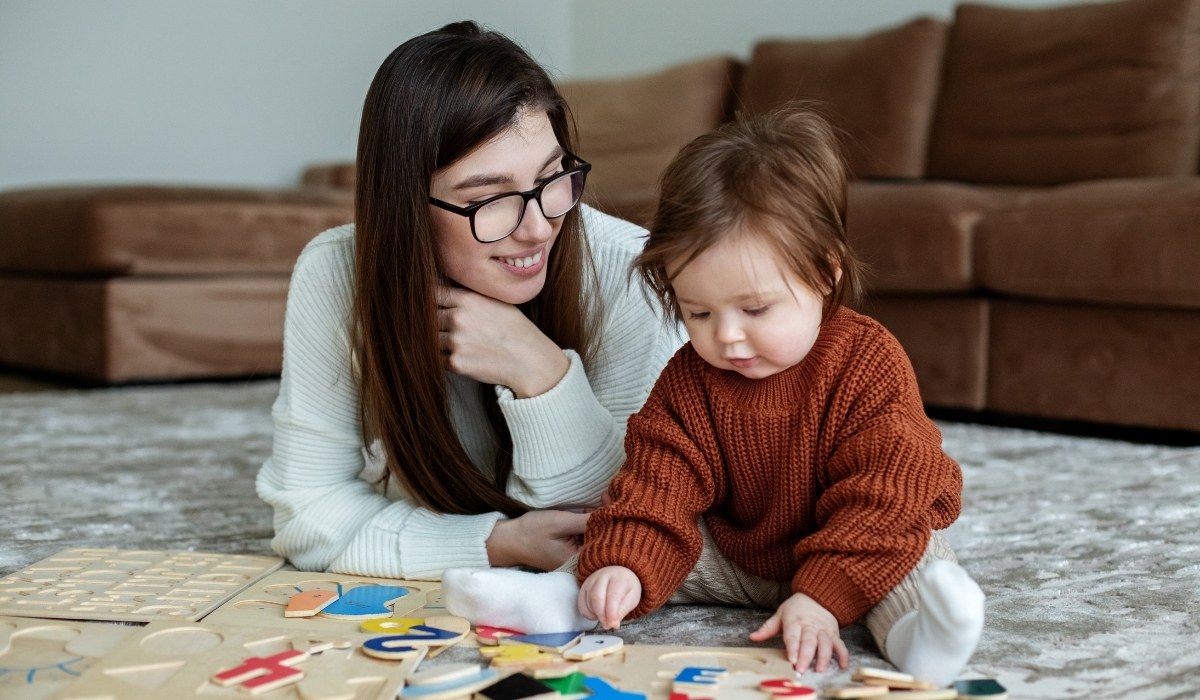
-ink.jpg)
-ink.jpeg)

-ink.jpeg)
-ink.jpeg)
-ink.jpeg)




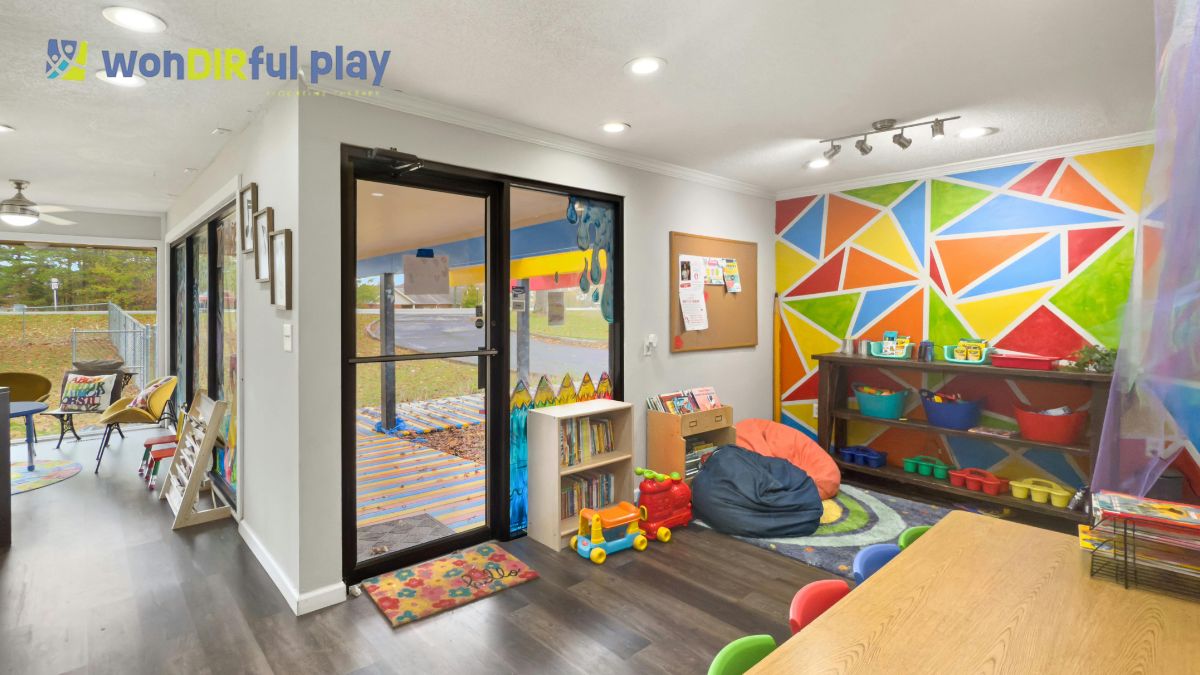





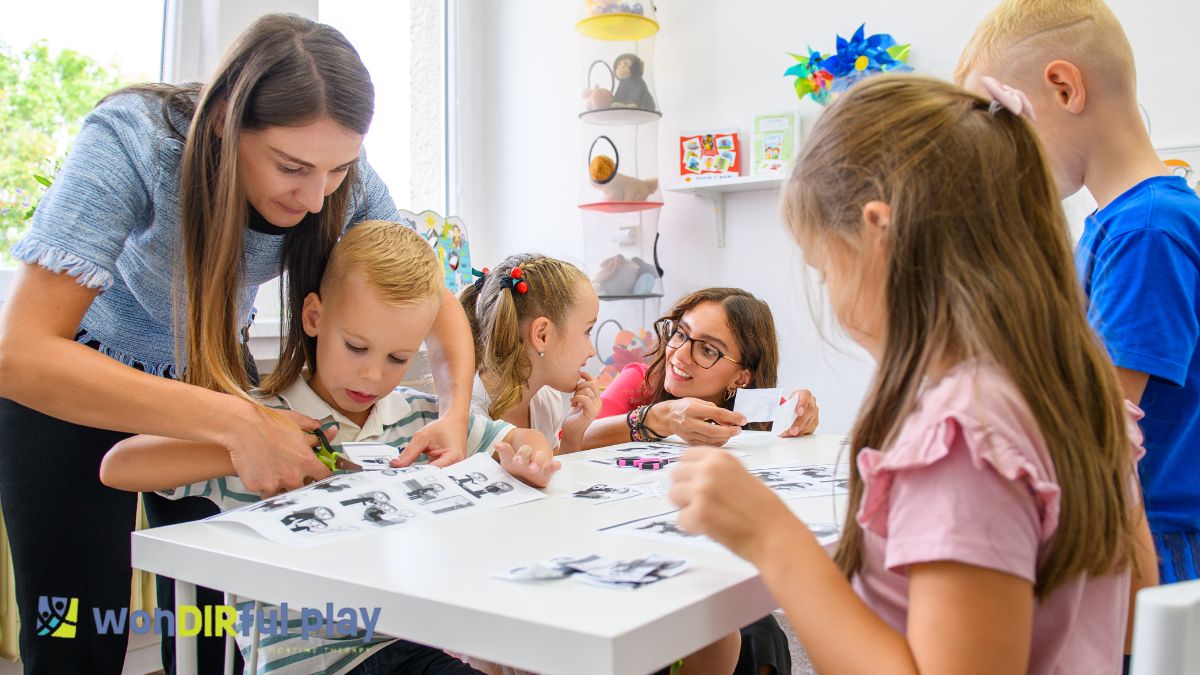









With WonDIRfulPlay, growth feels effortless and joyful. Our DIR floortime therapy services in Lakewood, NJ focus on building emotional connections, communication, and social confidence while addressing sensory and behavioral challenges.
For compliance matters, please call 732-523-9070 or email compllance@wondirfulplay.com

