
How DIR/Floortime Therapy Supports Social-Emotional Skills Development in Toddlers
July 2, 2026
Discover how DIR/Floortime supports social-emotional skills development in toddlers through child-led play and connection.
-ink.jpeg)
Key Points
- Social-emotional skills development through DIR/Floortime grows from child-led play. Toddlers learn to share feelings, take turns, and connect with you in tiny moments.
- This early intervention for autism meets your toddler at their level. You follow their lead while stretching their thinking and interaction skills daily.
- Daily play sessions shape big shifts in emotional growth. Small wins on the floor turn into stronger bonds and richer talk later on.
Watching your toddler pull away from connection can feel heavy. You want to reach them in a way that sticks. Social-emotional skills development matters most in these early years, and DIR/Floortime therapy offers a path that fits how toddlers already learn, which is through play.
This article walks you through how the approach works, what makes it special for little kids, and how you can use it at home tonight.
You'll find ideas for daily moments, simple activities, and signs of progress to watch for. Whether your child is newly diagnosed or just starting to explore toddler autism therapy, the goal here is clear support, not jargon.
If you've been looking into Floortime and want practical steps that fit toddler life, this guide is for you. You'll walk away with real tools, not a textbook lecture.
Why Social-Emotional Growth Comes First in the Toddler Years
The toddler stage is wild and tender. Big feelings show up before words do. Your child is building the base for trust, attention, and relationship. When those pieces feel shaky, everything else feels harder too.
Strong social-emotional skills development at this age helps your toddler learn to:
- Notice your face and read your mood
- Share joy through smiles, sounds, and gestures
- Stay engaged in back-and-forth play
- Calm down with your help during big feelings
- Show interest in another person, not just objects
Research on the DIR model in early intervention backs this up. Toddlers who get warm, responsive support in the first few years often show stronger language and emotional growth later. That's why early intervention for autism focuses so much on relationship-based play.
You don't need fancy tools. You need floor time, eye contact, and a willingness to enter your child's world.
What Makes DIR/Floortime Different for Toddlers
DIR stands for Developmental, Individual-differences, Relationship-based. That's a mouthful. In plain talk, it looks at where your child is, what makes them unique, and how they connect with you.
The Heart of Floortime
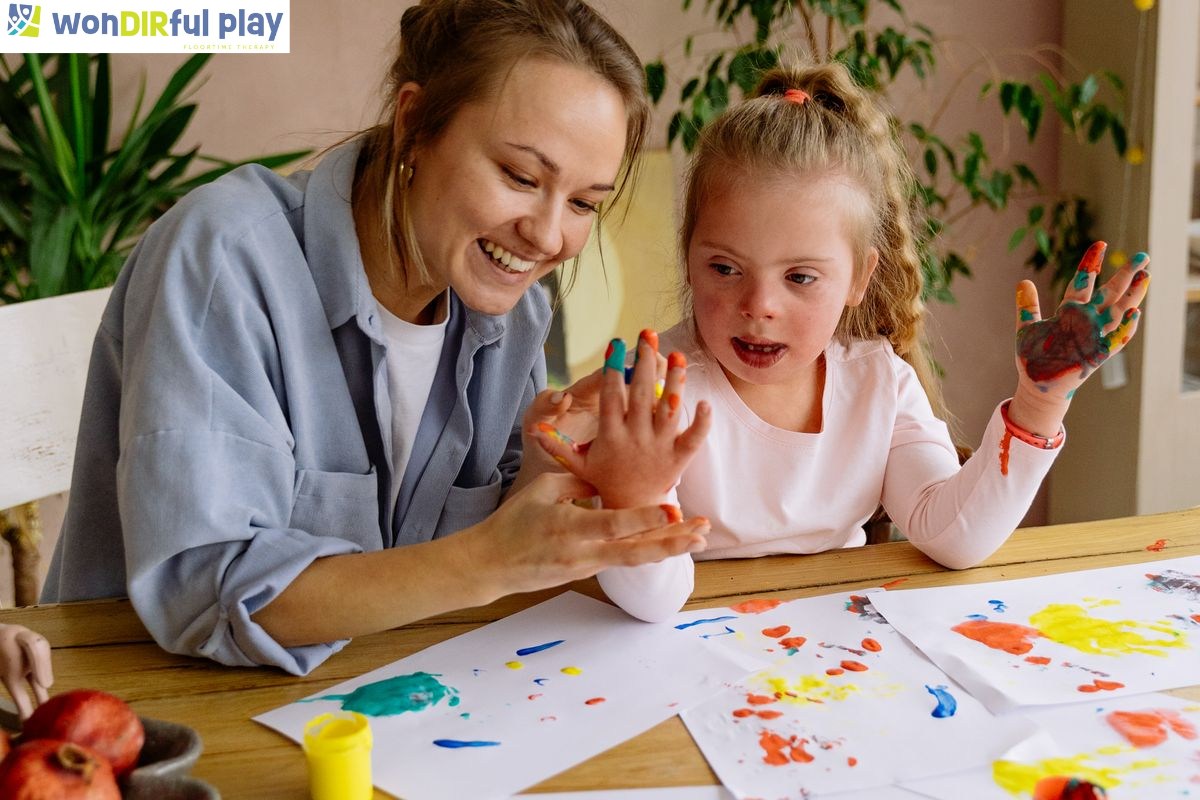
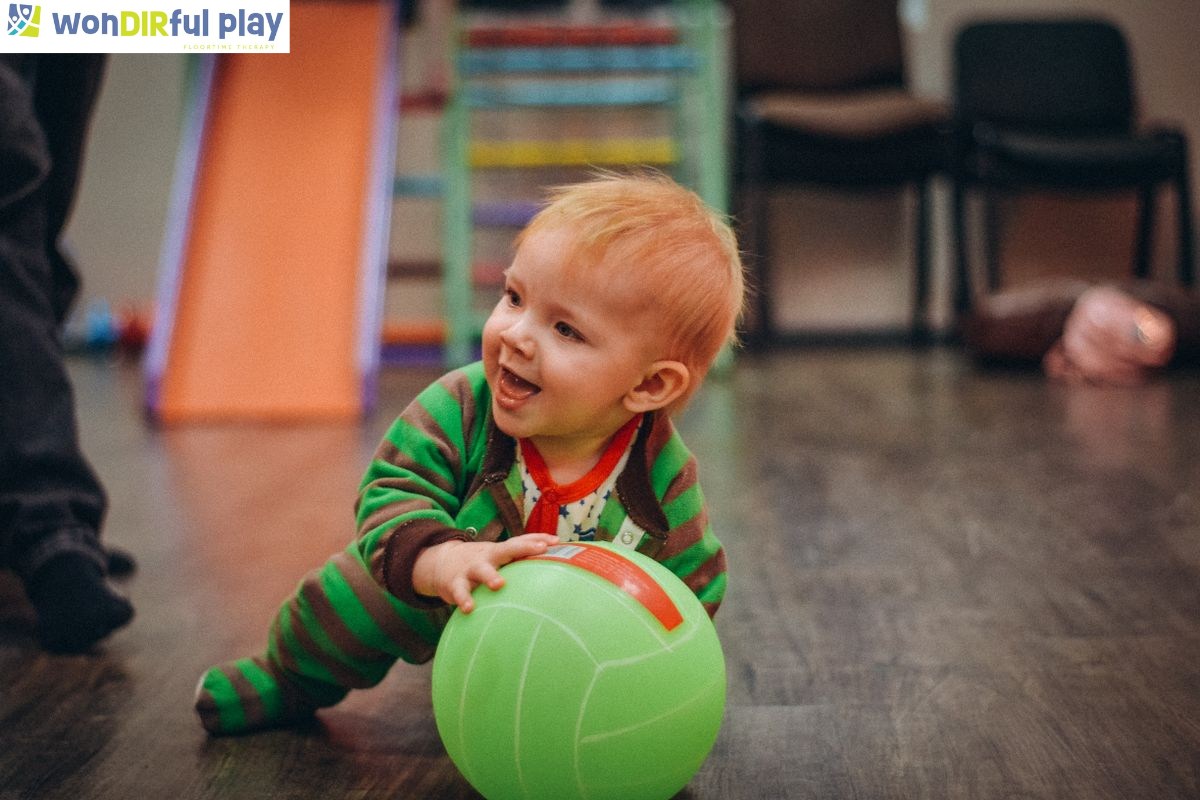
You sit on the floor. You meet your toddler at their level. You follow your child's lead. If they're spinning a car wheel, you spin one too. If they're stacking blocks, you join in. The goal is to open and close circles of communication, which are tiny back-and-forth exchanges like a matched smile, a sound, or a passed toy.
This child-led approach is what sets DIR therapy for social skills apart from many drill-based methods.
Why It Suits Toddlers So Well
Toddlers don't sit through long lessons. Their attention bounces. Floortime works with that, not against it. You meet them in their play, follow what holds their interest, and stretch it. That's how real emotional development for children with autism gets built, through joy and shared moments.
Think of Floortime therapy for toddlers as a daily conversation through play. No script needed.
The Six Core Stages of Emotional Growth
DIR builds skills in steps. The six developmental stages are the foundation. Each one builds on the last:
- Self-regulation and shared attention, like staying calm and noticing you
- Engagement and relating, including smiles and interest in faces
- Two-way communication through gestures and sounds
- Complex problem-solving, like chains of interaction
- Creative ideas with pretend play and symbols
- Logical thinking with linked ideas and small stories
For toddlers, most work happens in the first three or four stages. Your child might love the wheels on a toy but not look at your face yet. That's a clue that toddler autism therapy should focus on engagement and shared attention first.
You can't skip stages. Strong joint attention in the first stage supports everything that follows.
Daily Activities That Build Social-Emotional Growth
-ink.jpeg)
You can fold Floortime into normal life. Here are practical social interaction activities for autism you can try at home:
- Mirror play: Sit facing your child with a mirror nearby. Make a silly face and wait for them to copy. Then copy them back. This builds shared joy and turn-taking.
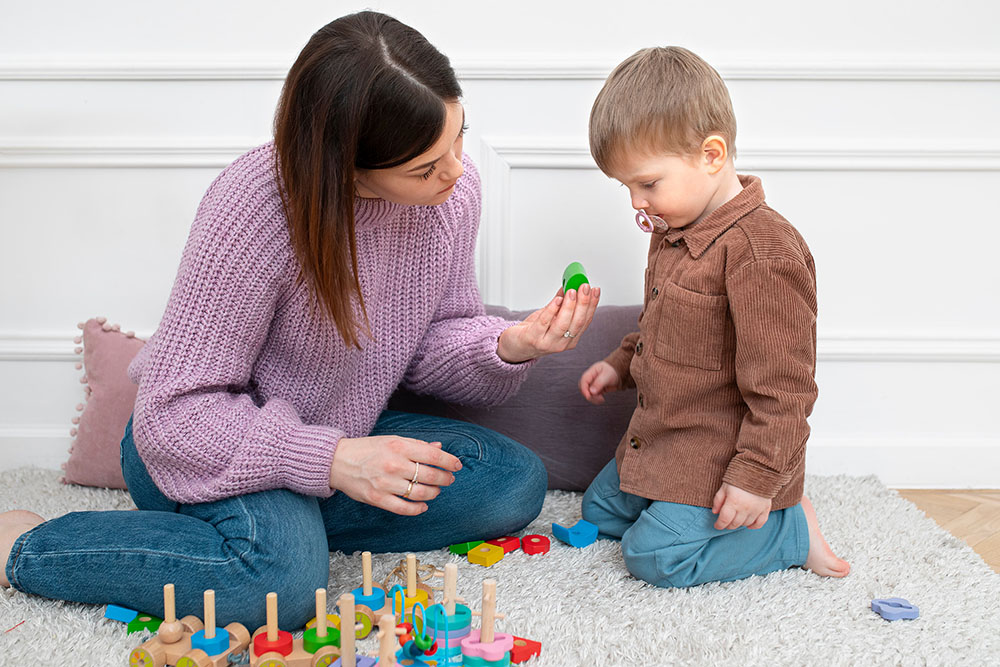
- Block-tower chase: Build a tower together, knock it down, cheer big, rebuild. The repeat helps your child feel safe, while the shared excitement grows connection.
- Bubble time: Blow bubbles slowly. Wait. See if your toddler reaches, points, or makes a sound to ask for more. That's a communication circle right there.
- Snack swap: At snack, offer two choices. Hold them up, wait, let your toddler reach or point. That tiny moment is rich for social growth.
- Hide and peek: Cover your face, peek out, watch their face light up. This builds expectation, joy, and the early roots of pretend play.
Each idea takes only a few minutes. For more play-based interactions, the point is to be present, not perfect.
The Parent's Role in Driving Progress
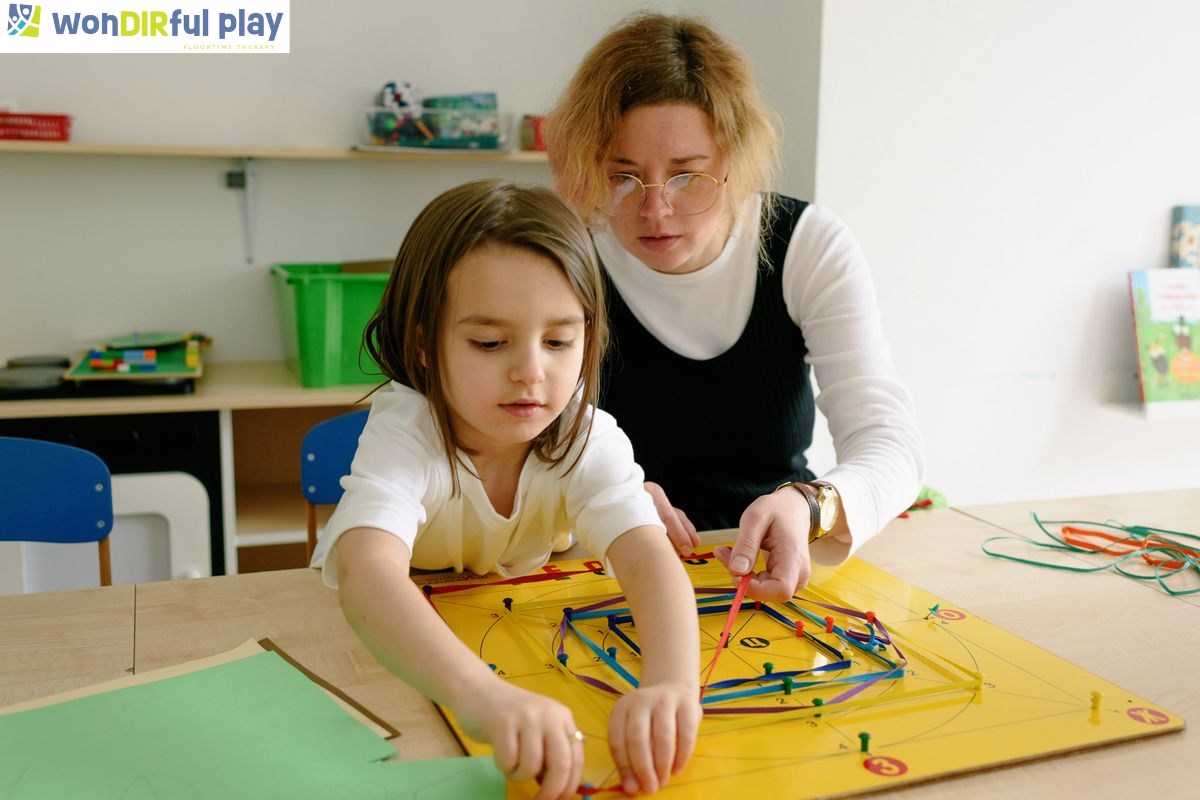
Therapists matter, but you are with your toddler the most. That's why parent involvement in Floortime makes such a big difference. The skills your toddler builds in a one-hour session need to show up at home, at the park, and during bath time.
Here's what helps:
- Get on the floor at their eye level
- Wait longer than feels natural for them to respond
- Match their energy, soft when they're soft, big when they're big
- Use simple, slow words tied to what they're doing
- Celebrate small wins out loud
Don't take over the play. If your child wants to dump the bucket of blocks, don't redirect them to stack. Join the dump. Then add something playful, like catching a falling block on your head. That balance keeps emotional development for children with autism moving forward and supports stronger parent-child bonds over time.
Tracking Progress in the Early Years
How do you know it's working? Progress in this kind of toddler autism therapy is rarely dramatic. It comes in tiny shifts you might miss if you blink.
Watch for things like:
- Your child looking at your face more often
- Longer stretches of shared play
- More sounds, even if not words yet
- Reaching for you when upset
- A second or third exchange in a row, like passing a toy twice instead of once
Many families find it helpful to track progress with simple tools. Even a short journal entry once a week shows patterns over time. If you're working with a certified therapist, they'll likely use formal measures too. But your everyday notes are gold. They catch the small wins that happen at home and signal real social-emotional skills development.
When to Start Floortime With Your Toddler
The honest answer is, sooner is better. Toddler brains grow fast in the first three years. That window is when Floortime in early childhood tends to have the biggest impact.
You don't need a final diagnosis to start. If your toddler shows delays in eye contact, response to their name, or social engagement, talking to a developmental therapist is a good next step. DIR therapy for social skills can begin as early as 12 months in some cases.
Families across Newark, Edison, and Jersey City have options for in-home or center-based support. Local programs often work with families who don't yet have a formal autism diagnosis.
Common Worries Parents Bring to Floortime
Many parents wonder if play really counts as therapy. It does. Decades of work show that relationship-based play builds the same brain pathways that support language, attention, and emotional regulation later in life.
Other common worries:
- My toddler doesn't talk yet. Good news: Floortime doesn't need speech. It builds the base under speech.
- I don't have hours every day. Three short sessions of 15 minutes can be enough. Quality beats quantity.
- What if I do it wrong? If you're on the floor, paying attention, and joining your child's world, you're doing it right.
Solid Floortime therapy for toddlers looks different in every home. There's no one perfect picture.
Stretching the Skills Beyond Play Sessions
-ink.jpeg)
Once your toddler builds new skills during Floortime, the goal is to use them everywhere. Therapists call this generalization, which simply means a skill shows up across many places, people, and situations, not just on the play mat.
You can build this by:
- Bringing favorite play moments into the car, the store, and the park
- Asking grandparents or siblings to follow your child's lead during their visits
- Using the same words and gestures in different rooms of the house
- Pairing new skills with old routines, like waving hello at every doorway
A few enhanced social interaction strategies help skills travel from the playroom to real life. That's where toddler autism therapy moves from "session work" to "everyday growth."
FAQs
At what age can my toddler start DIR/Floortime?
Most kids can begin between 12 and 18 months. If you notice delays in eye contact or back-and-forth play, an earlier start can support social-emotional skills development during the most critical brain growth window.
How is DIR/Floortime different from ABA therapy?
ABA uses structured tasks and reinforcement. DIR/Floortime is play-based and child-led. Both have a place, but DIR centers on the relationship and emotional connection rather than specific target behaviors.
Can I do Floortime without a therapist?
Yes, parents can start at home. A trained therapist can guide your sessions, spot growth areas, and help you stretch skills further. Many families mix professional and home-based work.
How long until I see results?
Some families see small changes in weeks. Bigger shifts in emotional development for children with autism often take three to six months of steady play. Consistency matters more than session length.
Does insurance cover Floortime in New Jersey?
It varies. Some plans cover it under early intervention or developmental therapy. Always check with your provider and ask about coverage for relationship-based play therapy specifically.
Press Play on Real Connection With Your Toddler
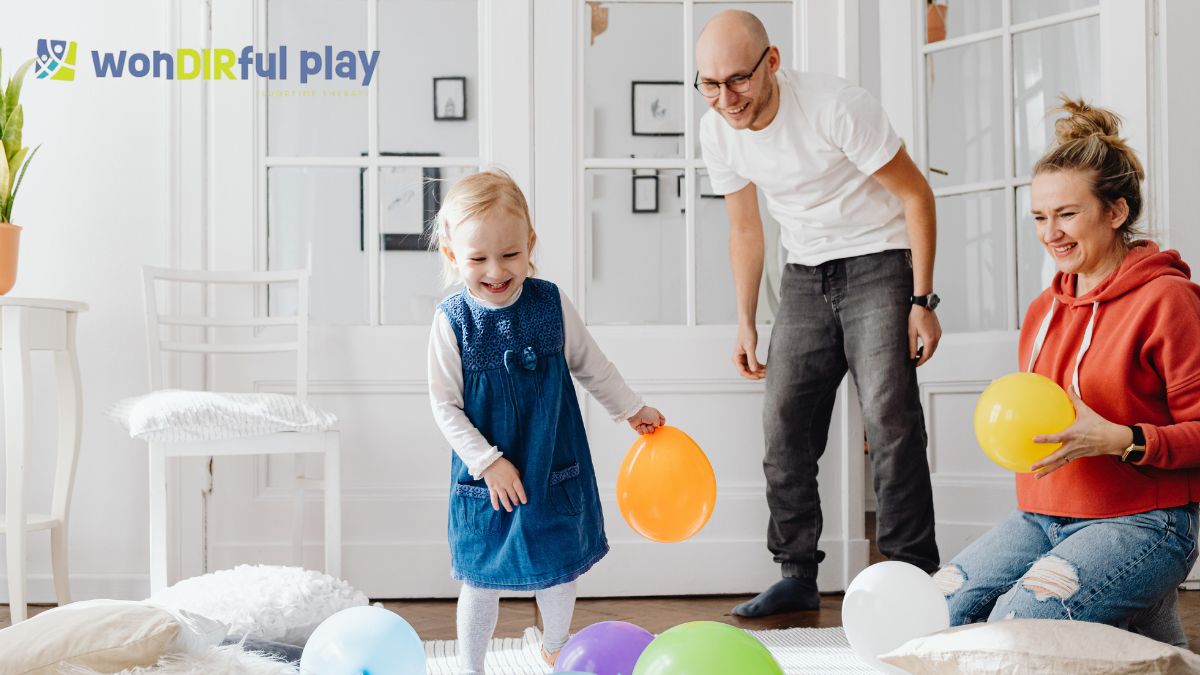
WonDIRful Play guides families through DIR/Floortime so playtime becomes purposeful. With warm, hands-on coaching, parents learn how to follow their child's lead, build emotional connection, and turn ordinary moments into rich skill-building chances.
Whether your child is just starting to engage or working through bigger steps, social-emotional skills development happens best when play feels joyful. Our team helps you find that rhythm with your child, session by session, without rigid drills or pressure.
Reach out to WonDIRful Play to see how the DIR/Floortime program supports toddlers and families across New Jersey. Press play on connection, and let your child's growth unfold one shared smile at a time.
Recent articles


.jpg)
.jpg)




.jpg)


.jpg)






.jpg)



-ink.jpeg)
-ink.jpeg)
-ink.jpeg)
-ink.jpeg)
-ink.jpeg)
-ink.jpeg)
-ink.jpeg)
-ink.jpeg)


.jpeg)


.jpg)
-ink.jpeg)

.jpg)

-ink.jpeg)

-ink.jpeg)
-ink.jpeg)
.jpg)
.jpg)
-ink.jpeg)
-ink.jpeg)
-ink.jpeg)
.jpg)

-ink.jpeg)
-ink.jpeg)
-ink.jpeg)
-ink.jpeg)
-ink.jpeg)
-ink.jpg)
-ink.jpeg)
-ink.jpeg)
-ink.jpeg)
-ink.jpeg)
.jpg)
.jpg)
-ink.jpeg)
-ink.jpeg)
.jpg)
-ink.jpeg)
-ink.jpeg)
-ink.jpeg)
-ink.jpeg)
-ink.jpeg)
-ink.jpeg)
-ink.jpeg)
-ink.jpeg)
-ink.jpeg)
-ink.jpeg)
-ink.jpeg)
-ink.jpeg)
-ink.jpeg)
-ink.jpeg)
-ink.jpeg)


With WonDIRfulPlay, growth feels effortless and joyful. Our DIR floortime therapy services in Lakewood, NJ focus on building emotional connections, communication, and social confidence while addressing sensory and behavioral challenges.
For compliance matters, please call 732-523-9070 or email compllance@wondirfulplay.com

