
How DIR Therapy Helps With Speech Delay
September 23, 2026
How DIR Floortime supports speech delay in kids, what the research actually shows, and how it works alongside speech therapy.

Key points:
- DIR therapy, delivered through Floortime, builds speech and language skills by starting with emotional connection and engagement, not drills.
- A small number of randomized controlled trials have found real gains in language and social communication after DIR-based intervention.
- It's meant to work alongside speech-language therapy, not replace it.
Speech and language disorders are common in young children. According to the National Institute on Deafness and Other Communication Disorders, roughly 1 in 10 children ages 3 to 6 have had a voice, speech, or language disorder in the past year, and boys are affected noticeably more often than girls. DIR (Developmental, Individual-differences, and Relationship-based) therapy, delivered through its core technique, Floortime, takes a different route into this problem than traditional drills. Instead of prompting a child to repeat words, it builds communication out of shared attention and genuine back-and-forth interaction, on the idea that kids talk more when they're engaged and motivated, not when they're being tested.
Here's how that actually works, and what the research supports.
What the Research Actually Shows
A handful of randomized controlled trials have looked specifically at DIR/Floortime and language outcomes in young children with autism spectrum disorder. A 2015 study in the Journal of Autism and Developmental Disorders by Casenhiser and colleagues found that children who received a DIR-based, social-interaction-focused intervention showed measurable gains in language function compared to children who didn't. A separate pilot randomized trial published in the journal Autism (Pajareya and Nopmaneejumruslers, 2011) found similar improvements in social communication after a DIR/Floortime parent-training program.
These are real, credible findings, but it's worth being precise about what they show: modest, promising gains in specific trials, not a guarantee for every child. DIR Floortime is generally best understood as a complement to speech-language therapy, addressing the social-emotional engagement piece that often underlies a child's willingness to communicate, rather than a replacement for working with a licensed speech-language pathologist.
4 Benefits of DIR Therapy for Speech Development
- Stronger communication skills. Kids build the ability to express themselves through repeated, motivating back-and-forth interaction rather than repetition drills.
- Better social skills. Because Floortime happens in a social context, kids practice using language to actually connect with another person, not just to name objects.
- More confidence. Small wins in real interactions tend to encourage a child to keep trying, which matters more than it sounds for a child who's used to communication being frustrating.
- A genuinely individualized approach. Sessions are built around each child's specific interests and developmental level rather than a fixed script.
Why DIR Therapy Helps With Speech Delay Specifically
Traditional speech therapy is valuable and often essential, but some children with speech delays also struggle with engagement and back-and-forth social reciprocity, and that struggle can get in the way of drill-based practice. DIR therapy starts from a different place: building the foundational desire and ability to communicate before, or alongside, working on specific words and sounds.
A few reasons this approach tends to help:
- It meets the child where they are. Sessions follow the child's own interests, so the motivation to communicate comes from something the child already cares about.
- It targets the social piece directly. A lot of speech delay isn't just about sound production, it's about wanting to communicate with another person in the first place. DIR addresses that directly.
- It builds skills that generalize. Because the interaction happens through natural play rather than scripted drills, the communication skills a child builds tend to show up more easily at home and in other settings.
The Role of Floortime in Speech Development
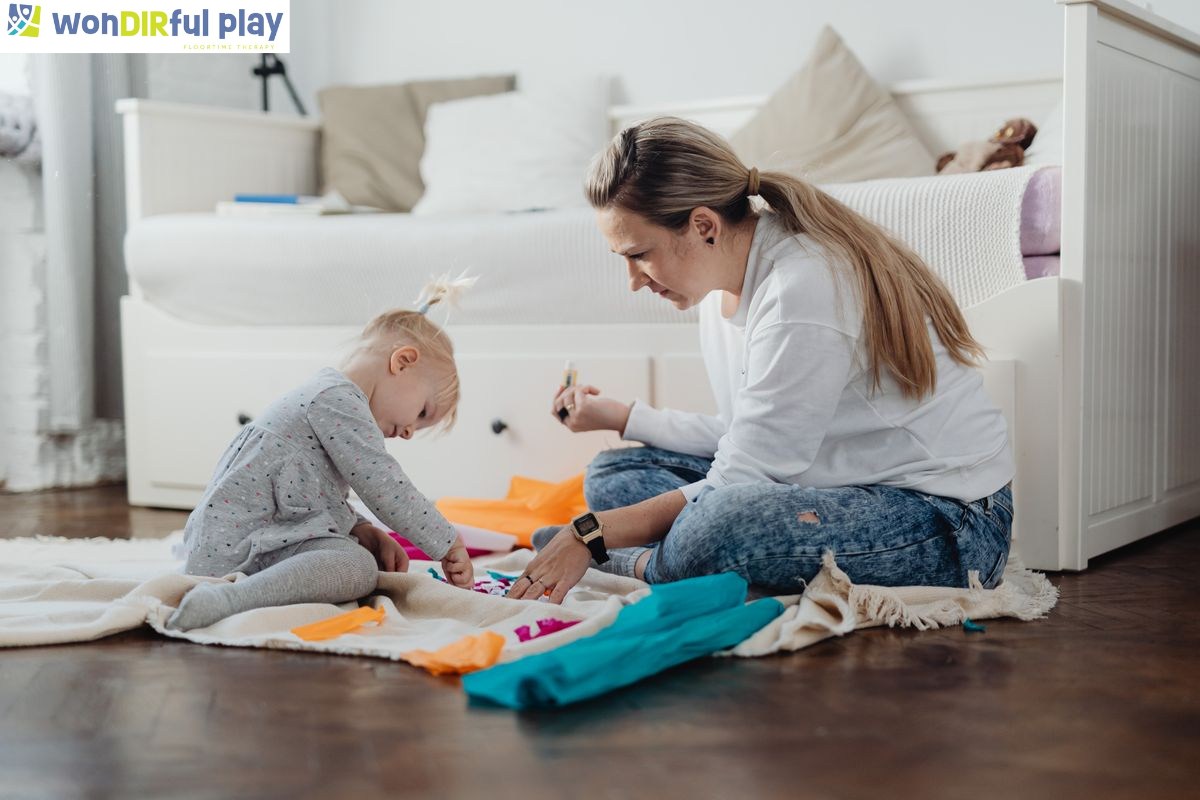
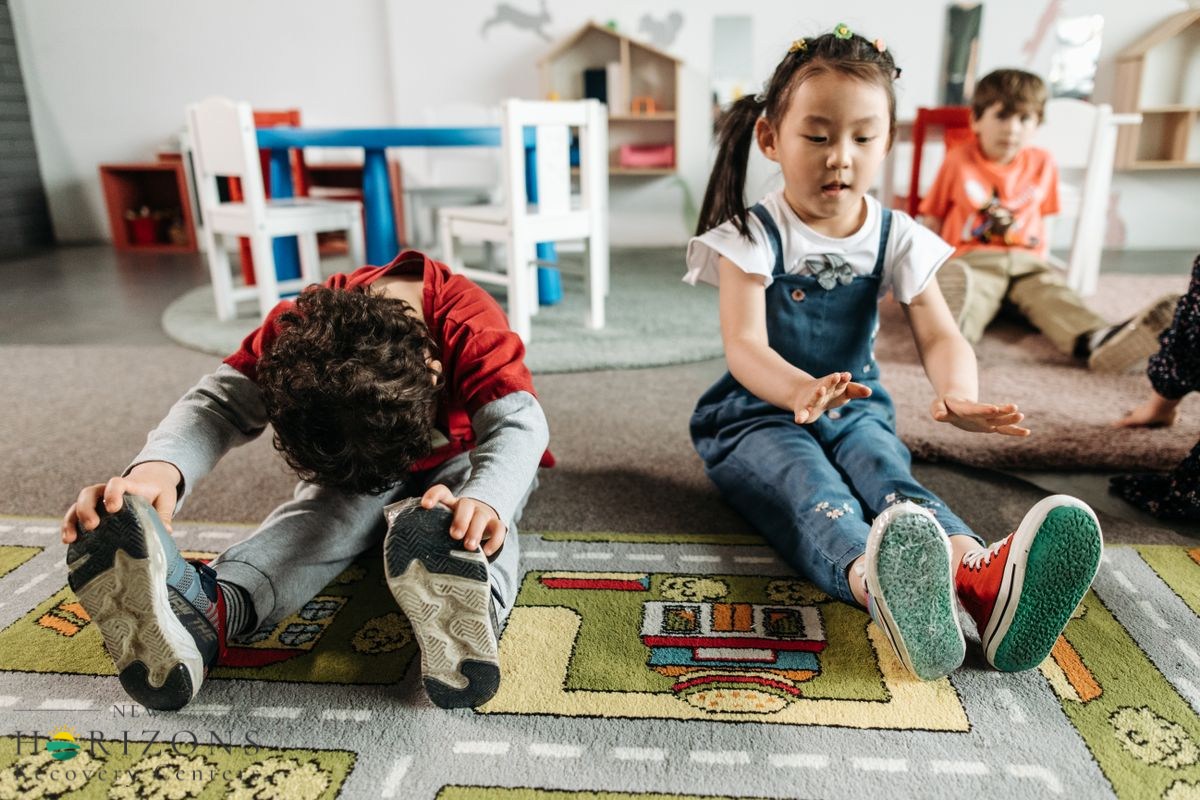
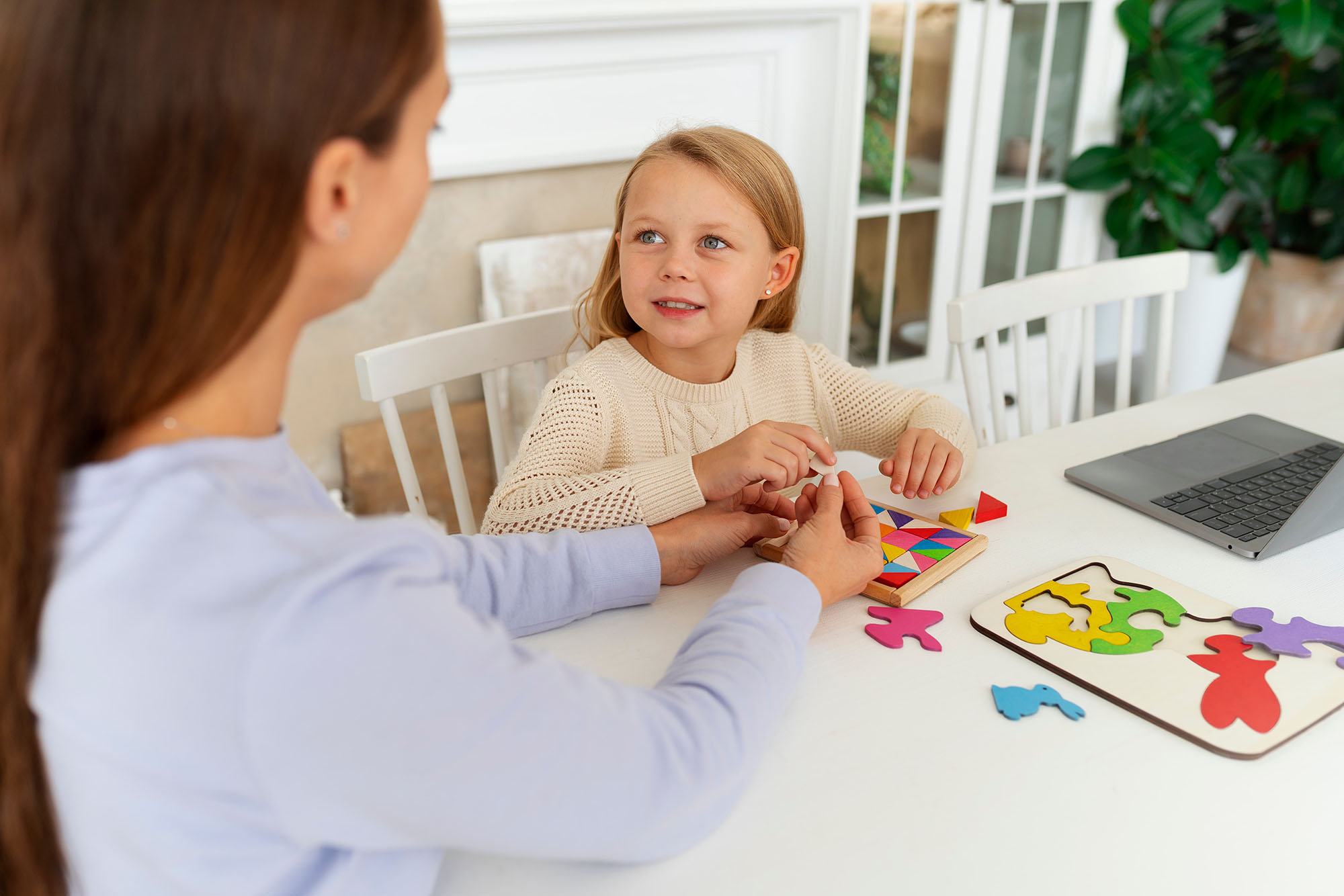
Floortime is the specific technique inside the DIR model, and it's where most of the actual language work happens. It involves getting down on the child's level and engaging them through whatever they're already interested in.
The process generally follows three steps:
- Following the child's lead. The adult joins whatever the child is doing rather than redirecting them, which opens the door to genuine engagement.
- Expanding communication. The adult builds on that engagement using gestures, facial expressions, and words, gently stretching the child's current level of communication just a bit further.
- Building emotional connection. Throughout, the goal is a safe, responsive relationship where the child feels comfortable attempting to communicate, even imperfectly.
Over time, children in this kind of intervention tend to initiate communication more often and with less frustration, which is often the bigger shift parents notice before formal language scores catch up.
Working With a DIR Therapist
If you're considering this approach, a few things are worth checking before choosing a provider:
- Certification. Confirm they have specific training in DIR/Floortime, not just general pediatric therapy experience.
- Experience with speech delay specifically. Ask directly about their track record with children who have communication challenges similar to your child's.
- Their actual approach. Ask what a typical session looks like and how they build communication into play.
- Insurance coverage. Confirm ahead of time whether DIR Floortime is covered under your plan.

Bringing DIR Techniques Home
Therapy sessions matter, but a lot of the real progress happens between them, in ordinary daily moments.
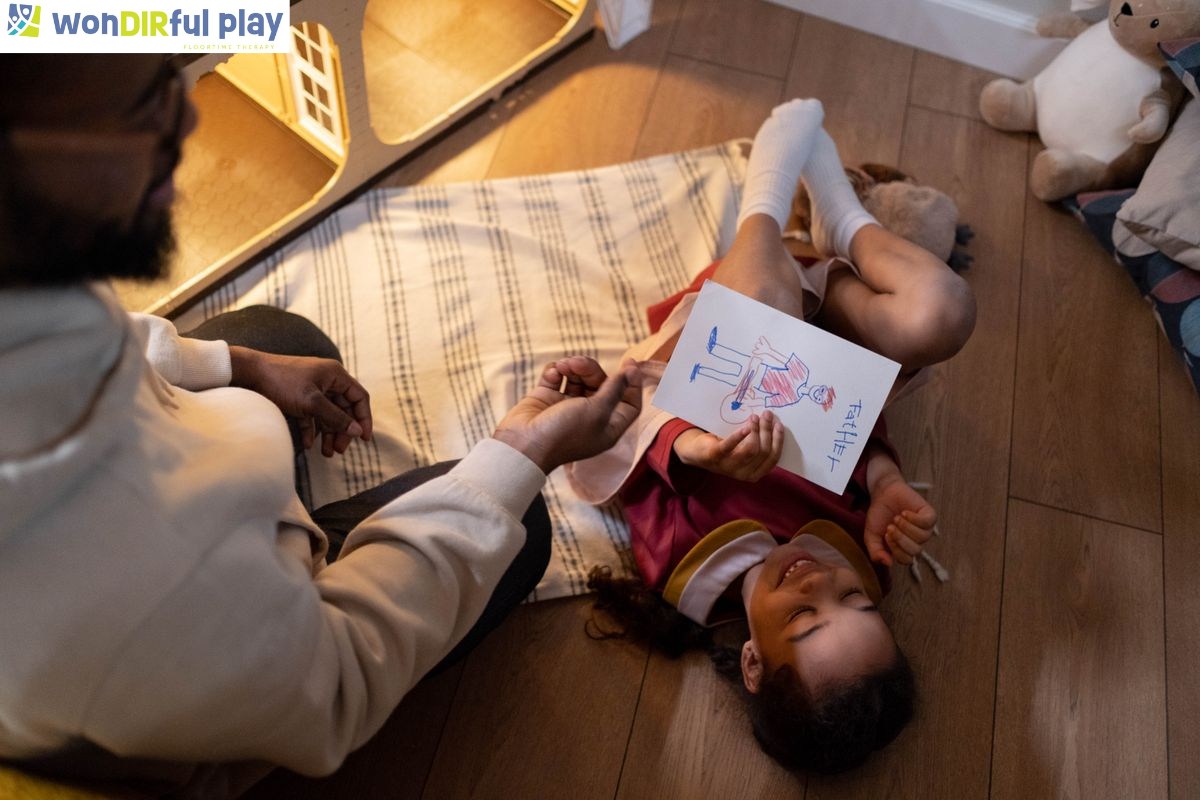
- Play-based interaction. Use toys and games that naturally invite turn-taking and back-and-forth exchange, not just passive play.
- Responsive communication. Respond to any attempt to communicate, whether it's a word, a gesture, or just a sound, rather than waiting for a "correct" attempt.
- Everyday routines. Mealtime, bath time, and getting dressed are all natural chances to narrate, wait, and invite a response.
- Emotional connection first. A child is far more likely to attempt communication with someone they feel safely connected to, so the relationship itself is part of the work.
Frequently Asked Questions
Does DIR Floortime replace speech therapy?
No. It's best used alongside speech-language therapy from a licensed speech-language pathologist, not instead of it. DIR Floortime addresses the social and emotional engagement side of communication, which can make a child more responsive to speech therapy itself.
At what age should a speech delay be evaluated?
If a child isn't meeting typical speech and language milestones for their age, it's worth an evaluation regardless of age. Earlier evaluation generally means more options and more time for intervention to make a difference, so waiting is rarely the better choice if you're already concerned.
How is DIR Floortime different from traditional speech therapy?
Traditional speech therapy often works directly on specific sounds, words, and language structures. DIR Floortime works one level underneath that, on the child's motivation and ability to engage socially in the first place. Many families use both together rather than choosing one over the other.
Help Your Child Thrive With DIR Therapy
If your child is dealing with a speech delay, DIR Floortime and speech therapy can work well together, addressing both the social engagement piece and the specific speech skills at once. At WonDIRfulPlay, we specialize in DIR Floortime therapy for children across New Jersey, built around each child's developmental level. Contact us today to learn more.
Recent articles



















Our team is ready to answer your questions and address your concerns.


With WonDIRfulPlay, growth feels effortless and joyful. Our DIR floortime therapy services in Lakewood, NJ focus on building emotional connections, communication, and social confidence while addressing sensory and behavioral challenges.
For compliance matters, please call 732-523-9070 or email compllance@wondirfulplay.com


