
DIR Floortime in Minnesota: What Twin Cities Families Need to Know
July 15, 2026
DIR Floortime in Minnesota: what Twin Cities families should know about sessions, therapists, and starting early intervention.
-ink.jpeg)
Key points:
- DIR Floortime in Minnesota uses play and connection to help kids grow their communication, emotional regulation, and social skills at their own pace.
- Twin Cities families can find in-home sessions, trained therapists, and school-based support close to home, without long drives or long waitlists.
- Starting early intervention in Minnesota gives your child more time to build skills that carry into school, friendships, and daily routines.
If you're looking into DIR Floortime in Minnesota, you probably have a lot of questions right now. That's normal. Every parent wants to know what a therapy looks like before it enters their child's life.
DIR Floortime is a relationship-based approach. It meets your child where they are, then builds skills through play you already do together. For families in the Twin Cities, this often means sessions led by a therapist trained in the DIR model, right in your own living room.
This guide walks through what Minnesota families need to know before getting started.
What DIR Floortime looks like for Minnesota families
DIR stands for Developmental, Individual differences, Relationship-based. That's a mouthful, so let's break it down. It means therapy built around your child's stage of development, their unique wiring, and the relationships already in their life.
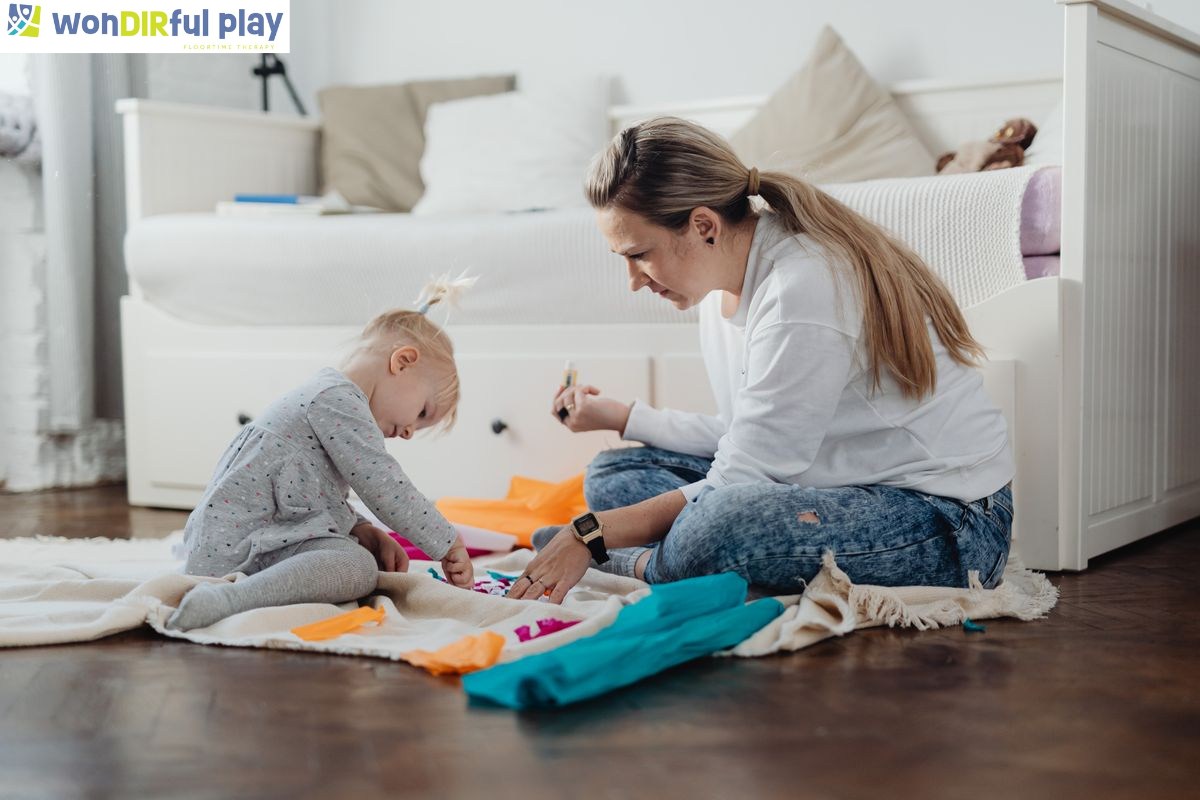
A session doesn't look like flashcards or drills. It looks like play. Your child picks a toy or an activity, and the therapist follows their lead. From there, the therapist gently nudges the play toward back and forth exchanges. Those exchanges build the foundation for language, problem solving, and connection.
Parents often ask about our team's background with this model before starting. That's a smart question to ask any provider, not just us. A therapist's training in DIR specifically matters more than general experience with autism therapy in Minnesota alone, since the approach differs quite a bit from other models.
Families comparing options for young kids often start by reading about how the model applies to toddlers, since early sessions look a little different than sessions for older kids.
Why Twin Cities parents are turning to this approach
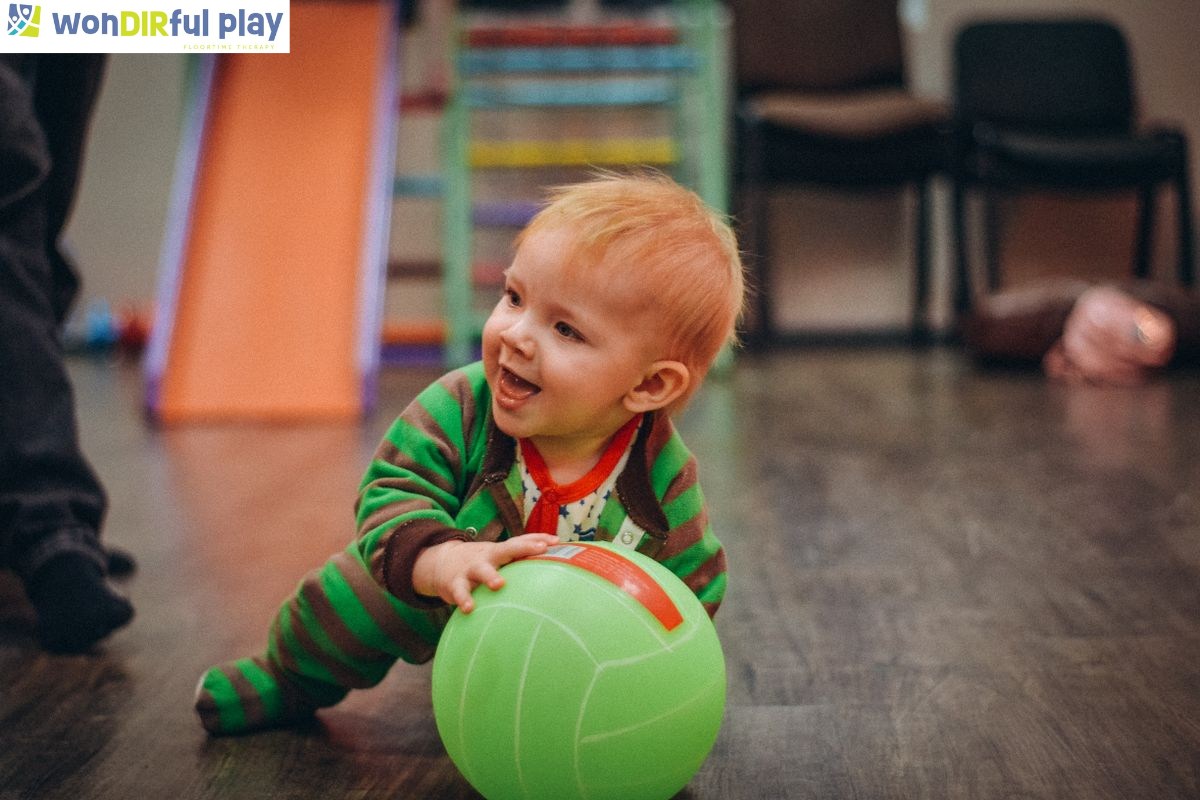
DIR Floortime in the Twin Cities keeps growing as more families discover this play-based approach. Parents in Minneapolis and St. Paul mention the same thing again and again. They want therapy that feels like play, not work. They want their child to feel understood, not corrected.
Clinical reports point to real benefits for children with autism who receive consistent, relationship-based therapy early on. Gains often show up first in shared attention and emotional regulation, then later in expressive language.
Families across our Twin Cities therapy locations also like that sessions travel to them. A tired toddler doesn't have to sit through a car ride before therapy even starts.
Communication and connection first
DIR Floortime treats communication as more than words. A glance, a gesture, a shared laugh, these all count as circles of communication. Enough small moments each day add up to real language growth over time.
Building on your child's natural interests
If your child loves spinning wheels or lining up cars, that becomes the starting point. The therapist joins that interest instead of redirecting away from it. This keeps your child engaged and willing to stretch a little further each session.
DIR Floortime in Minnesota: is it the right fit for your child?
-ink.jpg)
Not every family knows if this model fits their child's needs. A few signs point toward yes. Reading about what DIR Floortime actually involves can help you decide before committing to a first session.
- Your child struggles to stay engaged during structured, table-based therapy
- You want a therapy you can also use during everyday moments at home
- Your child responds well to play but shuts down under pressure
- Your child is considered a late talker and hasn't responded well to other approaches
If several of these sound familiar, DIR Floortime is worth a closer look.
Finding a DIR Floortime therapist in Minneapolis and St. Paul
Once you decide to move forward, the next step is finding the right person. Whether you're looking for a DIR Floortime therapist in Minneapolis or a program offering DIR Floortime in St. Paul, the same questions apply. Not every provider trained in general autism therapy has training in the DIR model specifically.
A few questions worth asking any provider:
- Are you trained or certified in the DIR model specifically?
- Do you offer in-home DIR Floortime sessions, or only clinic visits?
- How do you track progress across sessions?
- Do you coach parents directly, or only work with the child?
Families across the Twin Cities and the wider areas we serve in Minnesota can find therapists who answer these questions clearly, before you ever commit to a package of sessions.
In-home DIR Floortime in Minnesota, what a session looks like
In-home DIR Floortime in Minnesota removes a big barrier for busy families. No packing up the car, no waiting rooms, no unfamiliar clinic smell throwing your child off before the session even starts.
A typical session runs through a few stages. The therapist observes your child's mood and energy first. Then they join whatever activity your child is already doing. From there, they slowly introduce small challenges, always staying inside what your child can handle that day.
You'll usually stay part of the session too. Most therapists explain how a session plays out during your first call, so nothing feels unfamiliar on day one.
Autism early intervention in Minnesota, why timing matters
Research on brain development points to early childhood as a window when growth happens fastest. That's why autism early intervention in Minnesota gets so much attention from pediatricians and early childhood specialists across the state.
Starting DIR Floortime young doesn't mean waiting until a diagnosis feels final. Many families start while still working through evaluations, since the play-based approach carries little risk and plenty of upside.
A simple checklist can help you track small changes at home, like longer eye contact or new attempts at communication, even before therapy formally begins.
Bringing DIR Floortime into daily routines at home
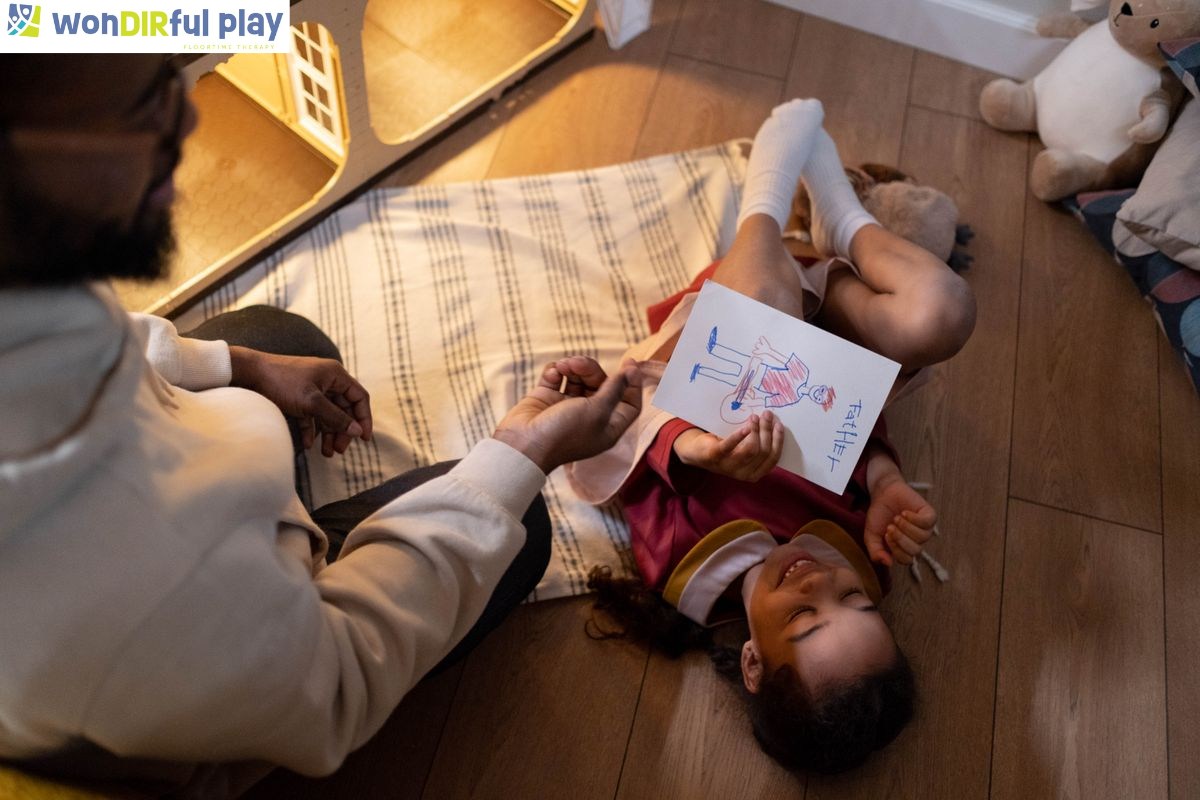
Therapy sessions matter, but daily life carries even more chances for growth. Small moments during breakfast, bath time, or a walk around the block can turn into circles of communication.
Here's what that can look like:
- Narrate what you're doing during routine tasks, then pause for a response
- Follow your child's lead during play, even if it looks repetitive to you
- Use exaggerated facial expressions to invite a reaction
- Celebrate small attempts at communication, not just clear words
Parents who practice these techniques at home between sessions often see faster progress, since skills get reinforced far more than once or twice a week.
Getting started with family support and school-based services
-ink.jpeg)
Getting started with DIR Floortime in Minnesota means connecting with a provider who explains each step clearly. DIR Floortime works best when everyone around your child understands the approach too, including teachers, grandparents, and siblings.
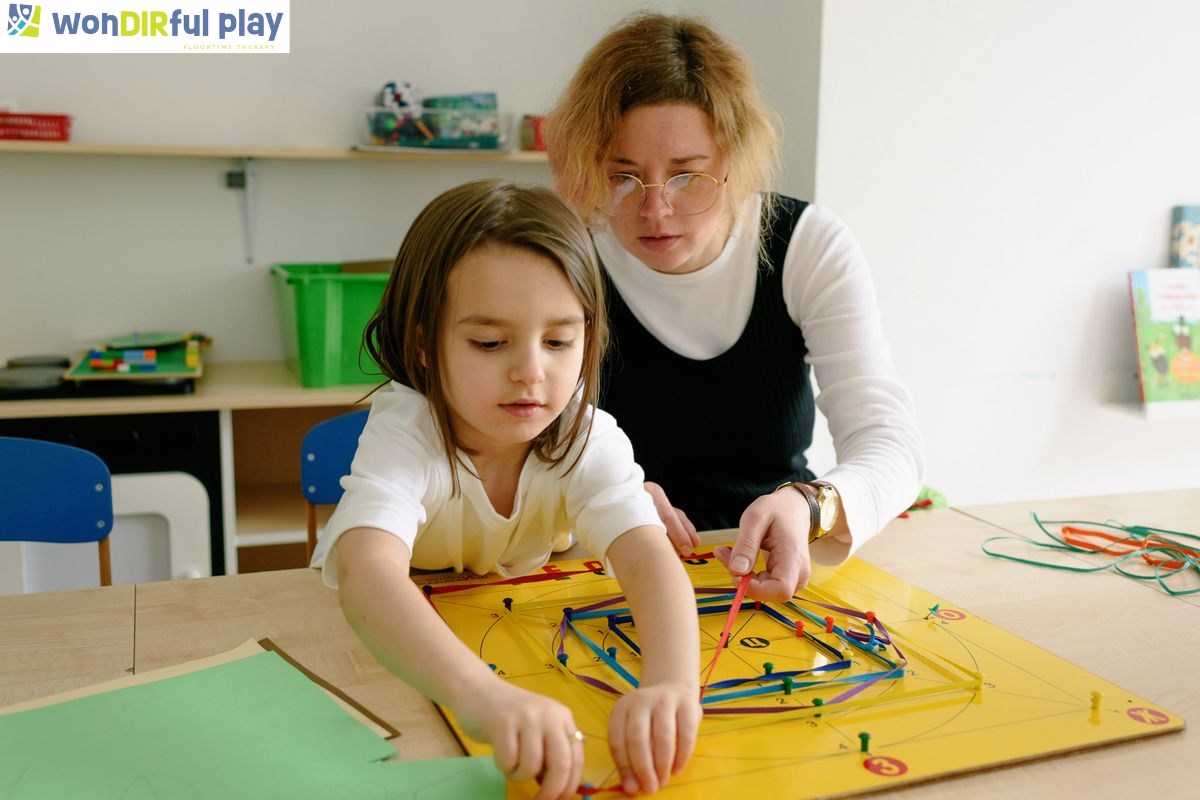
Many Minnesota providers now offer family training and coaching alongside direct child sessions, so caregivers feel confident using the same strategies. Schools matter too. If your child needs support during the school day, ask about school-based support services that carry DIR principles into the classroom.
Most providers start with a short intake conversation about your child's needs before scheduling the first session, so you know what to expect from day one.
Frequently asked questions
What age does DIR Floortime start working best?
DIR Floortime works with toddlers through teens, though early childhood tends to show the fastest gains. Many Minnesota families start between ages two and five, alongside speech or occupational therapy.
Is DIR Floortime the same thing as ABA?
No. ABA focuses on specific target behaviors and structured reinforcement. DIR Floortime builds skills through child-led play and emotional connection instead, though some families use both together.
How many sessions per week does my child need?
This depends on your child's needs and goals. Many families start with one or two sessions weekly alongside daily home practice, then adjust based on progress.
Can DIR Floortime happen alongside speech or occupational therapy?
Yes. Many families combine DIR Floortime with speech and occupational therapy. The play-based approach often supports goals from other therapies rather than competing with them.
Does my child need a diagnosis before starting?
Not always. Some families start during the evaluation process, since DIR Floortime supports general developmental growth even before a formal autism diagnosis is confirmed.
Play Your Way to Progress, One Circle at a Time
Every game of peekaboo and every shared giggle over a silly voice builds a circle of communication your child can carry forward. DIR Floortime in Minnesota turns everyday moments into real developmental growth, without pulling your child away from the play they already love.
Wondirful Play helps Twin Cities families understand what this approach looks like in their own home, from the first conversation through ongoing sessions. Our team coaches parents directly, so progress made in a session doesn't stop when the therapist leaves.
Reach out to us to learn how DIR Floortime can help your child build connection, communication, and confidence, one small step at a time.
Recent articles



.jpg)
.jpg)




.jpg)


.jpg)







.jpg)




-ink.jpeg)
-ink.jpeg)
-ink.jpeg)
-ink.jpeg)
-ink.jpeg)
-ink.jpeg)
-ink.jpeg)
-ink.jpeg)


.jpeg)


.jpg)
-ink.jpeg)

.jpg)

-ink.jpeg)

-ink.jpeg)
-ink.jpeg)
.jpg)
.jpg)
-ink.jpeg)
-ink.jpeg)
-ink.jpeg)
.jpg)

-ink.jpeg)
-ink.jpeg)
-ink.jpeg)
-ink.jpeg)
-ink.jpeg)
-ink.jpg)
-ink.jpeg)
-ink.jpeg)
-ink.jpeg)
-ink.jpeg)
.jpg)
.jpg)
-ink.jpeg)
-ink.jpeg)
.jpg)
-ink.jpeg)
-ink.jpeg)
-ink.jpeg)
-ink.jpeg)
-ink.jpeg)
-ink.jpeg)
-ink.jpeg)
-ink.jpeg)
-ink.jpeg)
-ink.jpeg)
-ink.jpeg)
-ink.jpeg)
-ink.jpeg)
-ink.jpeg)


-ink.jpeg)


With WonDIRfulPlay, growth feels effortless and joyful. Our DIR floortime therapy services in Lakewood, NJ focus on building emotional connections, communication, and social confidence while addressing sensory and behavioral challenges.
For compliance matters, please call 732-523-9070 or email compllance@wondirfulplay.com

