
How to Prepare Your Child for Their First DIRFloortime Session: A Parent's Guide
May 22, 2026
Learn how to confidently prepare your child for their first DIRFloortime session with practical, reassuring steps for parents.
-ink.jpeg)
Key points:
- Learn practical steps for preparing a child for a first Floortime session with calm, realistic strategies that reduce anxiety and build trust.
- Understand what to expect first Floortime therapy so you feel confident, informed, and ready to support your child.
- Discover actionable first Floortime appointment tips that make the experience smoother for both you and your child.
Your child's first therapy appointment can bring a mix of hope, relief, and uncertainty. If you are wondering how to approach preparing a child for a first Floortime session, you are not alone. Many parents feel unsure about what will happen, how their child will respond, and what they should say or do beforehand.
DIRFloortime is a relationship based, developmental approach designed to strengthen emotional connection, communication, and thinking skills through play. Research from developmental and pediatric institutions highlights that early, relationship focused intervention can significantly improve social communication outcomes for young children. This makes your involvement essential.
This parent guide first Floortime session article walks you through exactly how to prepare, what to say, what to bring, and how to support your child before, during, and after the appointment. The goal is simple, helping your child feel safe, understood, and ready to engage.
Understanding What Happens in the First Session
One of the biggest stressors for families is not knowing what happens in the first therapy session. While every therapist adapts to the child, the first visit to a Floortime therapist typically focuses on observation, connection, and relationship building.
During the initial session, you can expect:
- Time spent observing how your child plays and communicates
- Gentle joining in your child's preferred activities
- Questions about developmental history and daily routines
- Discussion about goals and parent priorities
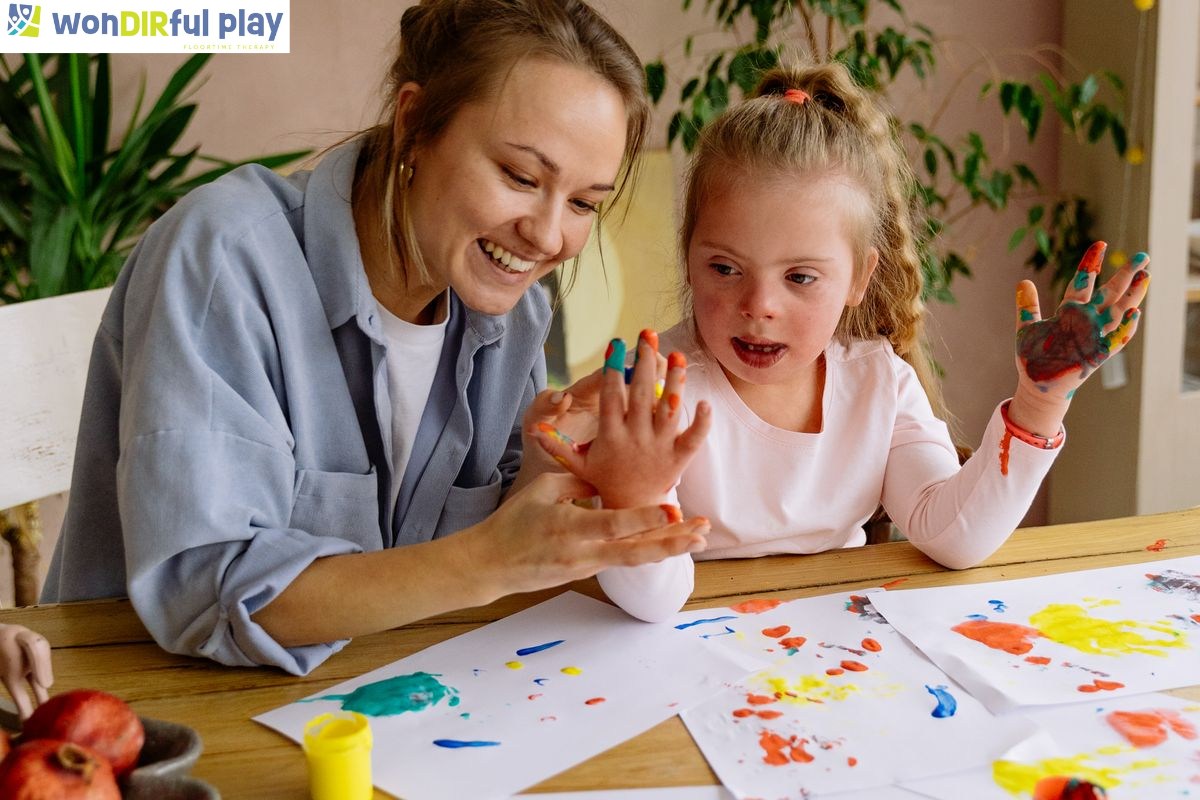
Unlike highly structured therapies, DIRFloortime follows your child's lead. The therapist may sit on the floor, enter your child's world through play, and build back and forth interaction. The aim is not to test your child but to understand their developmental strengths and challenges.
Knowing what to expect first Floortime therapy can reduce your anxiety, which in turn helps your child feel more secure.
How to Introduce Floortime to Your Child
Many parents ask how to introduce Floortime to my child in a way that feels positive and not overwhelming. The answer depends on your child's age and language level.
For toddlers or minimally verbal children, focus on simplicity. When explaining Floortime to toddler, use short, concrete phrases:
- "We're going to play with a new friend."
- "We'll sit on the floor and play together."
- "It will be fun and safe."
- For preschoolers, you might say:
- "There's someone who helps kids play and learn new things."
- "You can show them your favorite toys."
Keep your tone warm and relaxed. Children often respond more to your emotional state than your words. A calm, upbeat approach creates a natural, child friendly Floortime introduction without pressure.
Avoid framing it as something to fix behavior. Instead, present it as special playtime with support.
Calming Anxious Child Before Therapy
It is completely normal for children to feel nervous before a new experience. Calming an anxious child before therapy begins at home, long before the appointment.
Start by maintaining routine. Research in child development consistently shows that predictability lowers stress in young children. Keep meals, naps, and transitions consistent on therapy day.
Helpful strategies include:
- Showing photos of the therapy space if available
- Practicing short "play with a grown up" sessions at home
- Bringing a comfort item such as a favorite stuffed toy
- Using visual schedules if your child benefits from them
You can also role play. Pretend to be the therapist and let your child practice greeting, sitting on the floor, and choosing a toy. This gentle rehearsal supports making children comfortable with Floortime before they even walk into the room.
If your child becomes distressed, validate feelings. Say, "It's okay to feel nervous. I will stay with you." That reassurance builds emotional safety.
Practical DIRFloortime Session Preparation
-ink.jpeg)
Strong DIRFloortime session preparation involves more than talking. It includes organizing information and setting realistic expectations.
Before the appointment:
- Write down your top three concerns
- Note examples of challenging behaviors and triggers
- List your child's favorite toys, songs, and activities
- Bring any previous evaluations or reports
Being organized helps you use session time effectively. Therapists often ask about sleep, feeding, sensory preferences, and social interaction. Having notes prevents forgetting important details.
Also prepare yourself emotionally. Your child may not immediately engage. That is normal. The first session focuses on building trust, not instant progress.
Remind yourself that growth in developmental therapy is gradual and relationship based. Your calm presence remains one of the most powerful tools.
Making the Environment Feel Safe
Whether therapy is at home or in a clinic, environmental comfort matters. A regulated child engages more easily.
If the session is at home:
- Reduce background noise
- Turn off television
- Limit sibling interruptions if possible
- Set up a small, clear play space
If attending a clinic for the first visit to a Floortime therapist, arrive early. Allow your child time to explore the room at their own pace. Rushing increases stress.
You can support making a child comfortable with Floortime by staying physically nearby at first. Some children need to sit in a parent's lap before gradually separating.
Follow your child's cues. If they need space, give it. If they need closeness, provide it. Regulation always comes before engagement.
Your Role During the First Session
Parents are central in DIRFloortime. You are not just observing, you are learning.
During the first appointment, you may be asked to:
- Play with your child while the therapist observes
- Model daily interactions
- Share real life challenges
- Practice new interaction strategies
This hands-on approach is part of the parent guide first Floortime session philosophy. Research in developmental psychology consistently shows that parent mediated intervention strengthens long term outcomes because children spend most of their time with family.
Watch how the therapist joins your child's play. Notice how they wait, respond, and expand interaction. These small techniques form the foundation of progress.
If you feel unsure, ask questions. Clarify goals and ask how to practice between sessions. Your understanding increases consistency at home.
Managing Expectations After the First Visit
It is common to hope for immediate change. However, developmental progress builds through repeated, meaningful interactions.
After the session:
- Reflect on what felt positive
- Note any strategies you want to try at home
- Observe your child's mood and behavior
Sometimes children appear tired or overstimulated afterward. This does not mean the session failed. It simply means their brain worked hard.
If you are still unsure about what to expect from first Floortime therapy in the coming weeks, ask about the plan. How often will sessions occur? What are initial developmental goals? Clear communication reduces uncertainty.
Keep in mind that strong outcomes often correlate with consistent participation and parent involvement.
Supporting Your Child Between Sessions
Therapy is not limited to one hour per week. Daily life offers countless opportunities for growth.
You can extend session learning by:
- Following your child's lead in play for 10 to 20 minutes daily
- Expanding on their interests instead of redirecting
- Practicing shared attention and back and forth interaction
- Using emotional labeling during play
These simple strategies align with principles discussed during DIRFloortime session preparation and reinforce skills naturally.
If you are still thinking about how to introduce Floortime to my child on an ongoing basis, keep it embedded in everyday life. Floor play, kitchen play, bath time games, all can become opportunities for connection.
Consistency builds comfort. Comfort builds engagement. Engagement builds development.
First Floortime Appointment Tips for Parents
-ink.jpeg)
As you prepare, here are essential first Floortime appointment tips to keep in mind:
- Prioritize connection over performance
- Avoid pressuring your child to "do well"
- Model calm, warm interaction
- Trust gradual progress
- Stay open to feedback
Your child senses your confidence. When you feel prepared, they feel safer.
A thoughtful, patient approach to preparing a child for a first Floortime session creates the foundation for a strong therapeutic relationship.
With clarity about what happens in the first therapy session, strategies for calming an anxious child before therapy, and a gentle, child friendly Floortime introduction, you are already taking powerful steps forward.
Frequently Asked Questions
How long is the first Floortime session?
Most initial sessions last 45 to 60 minutes, focusing on observation, parent discussion, and relationship building rather than intensive skill teaching.
Should I stay in the room during the first session?
Yes, parents typically remain present. Your involvement supports emotional safety and helps the therapist understand daily interaction patterns.
What if my child refuses to participate?
Refusal is common at first. Therapists follow your child’s lead, gradually building trust instead of forcing participation.
How soon will I see progress?
Some families notice small changes within weeks, especially in engagement and shared attention, but meaningful developmental growth takes consistent practice over time.
What should I bring to the appointment?
Bring favorite toys, comfort items, developmental reports, and a short list of your main concerns to support effective discussion and planning.
Make the First Session Feel Like Play, Not Pressure
First impressions matter, especially when introducing a child to therapy. A gentle, child-friendly Floortime introduction can shape how your child views future sessions and their comfort with the therapist.
At WonDIRfulPlay, our clinicians design each first Floortime appointment around your child’s interests, sensory needs, and developmental stage. We guide families on explaining Floortime to toddlers, share first appointment tips, and support parents in making their child comfortable with Floortime from day one.
If you are preparing for your first visit to a Floortime therapist in New Jersey, connect with us. We will help you feel ready, informed, and confident walking into that first session.
Recent articles


.jpg)
.jpg)




.jpg)


.jpg)






.jpg)





-ink.jpeg)
-ink.jpeg)
-ink.jpeg)
-ink.jpeg)
-ink.jpeg)
-ink.jpeg)
-ink.jpeg)
-ink.jpeg)
-ink.jpeg)


.jpeg)


.jpg)
-ink.jpeg)

.jpg)

-ink.jpeg)

-ink.jpeg)
-ink.jpeg)
.jpg)
.jpg)
-ink.jpeg)
-ink.jpeg)
.jpg)

-ink.jpeg)
-ink.jpeg)
-ink.jpeg)
-ink.jpeg)
-ink.jpeg)
-ink.jpg)
-ink.jpeg)
-ink.jpeg)
-ink.jpeg)
-ink.jpeg)
.jpg)
.jpg)
-ink.jpeg)
-ink.jpeg)
.jpg)
-ink.jpeg)
-ink.jpeg)
-ink.jpeg)
-ink.jpeg)
-ink.jpeg)
-ink.jpeg)
-ink.jpeg)
-ink.jpeg)
-ink.jpeg)
-ink.jpeg)
-ink.jpeg)
-ink.jpeg)
-ink.jpeg)
-ink.jpeg)


-ink.jpeg)


With WonDIRfulPlay, growth feels effortless and joyful. Our DIR floortime therapy services in Lakewood, NJ focus on building emotional connections, communication, and social confidence while addressing sensory and behavioral challenges.
For compliance matters, please call 732-523-9070 or email compllance@wondirfulplay.com

